
カウンターシンクとザグリ穴の比較マシンドリル&ザグリ穴
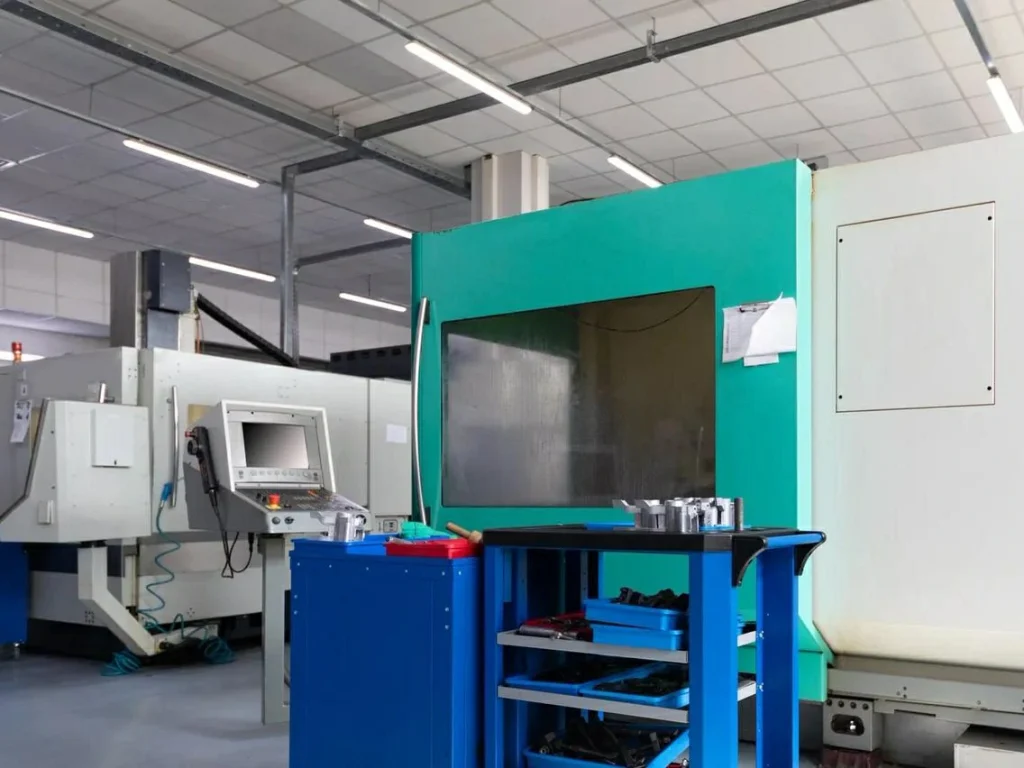
Understanding the difference between countersinks and counterbores is essential for accurate drilling, reliable machining, and proper fastener seating in precision components. This guide breaks down their key distinctions, machining uses, and practical applications for counterbore holes and CNC operations. What countersink and counterbore are, and why the difference matters Countersink and counterbore represent common types of holes, and both are secondary features added around holes for screws or bolts that are commonly used in precision machining. Both are used to control how a fastener’s head sits in a part. The difference seems simple, but it changes fastener choice, machining method, part strength, and whether the assembly will fit as intended. […]
冷間圧造ガイド:冷間圧造のプロセス、限界、利点
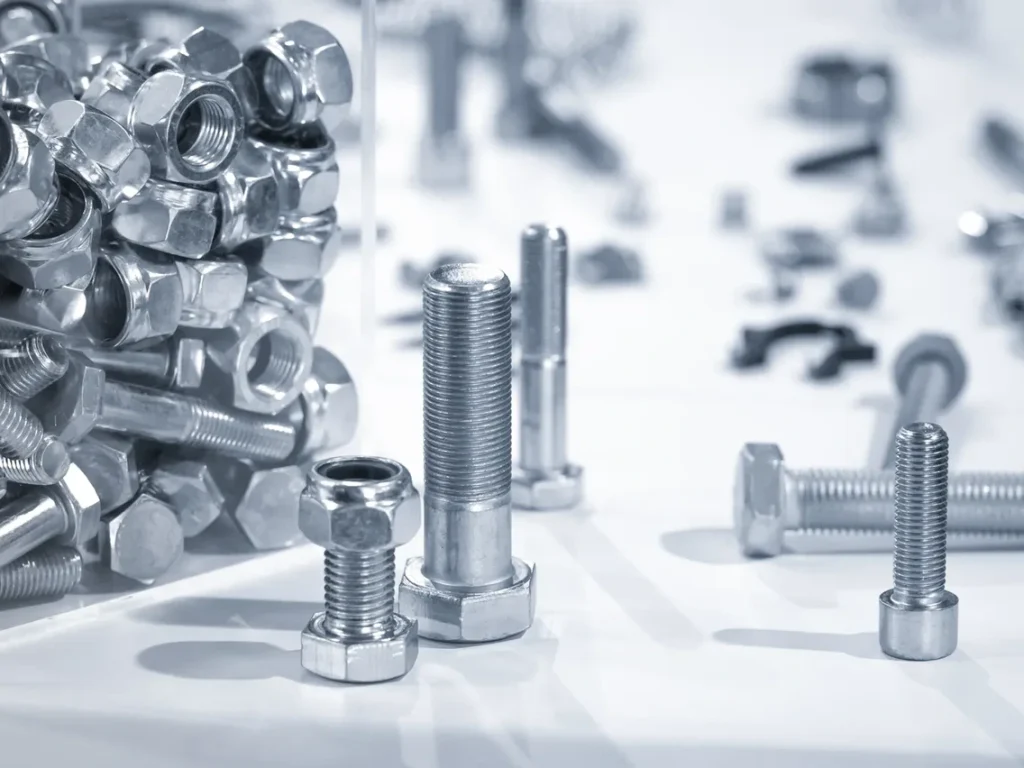
Cold heading sits at the intersection of a cold forming process that shapes metal wire and manufacturing efficiency. It is widely used in cold headed manufacturing to produce small, repeatable components—especially standard fasteners and specialty fasteners—by shaping material rather than cutting it away, making it fundamentally different from machining-based manufacturing routes such as turning. This guide explains how the cold heading process creates parts, where it fits in modern manufacturing, and where it breaks down in real production scenarios. It focuses on practical decision factors such as cold formability in cold working and cold forming processes, production volume, tooling cost, and when alternative forging process routes like cold forging are […]
GD&Tにおける円形振れと総振れ
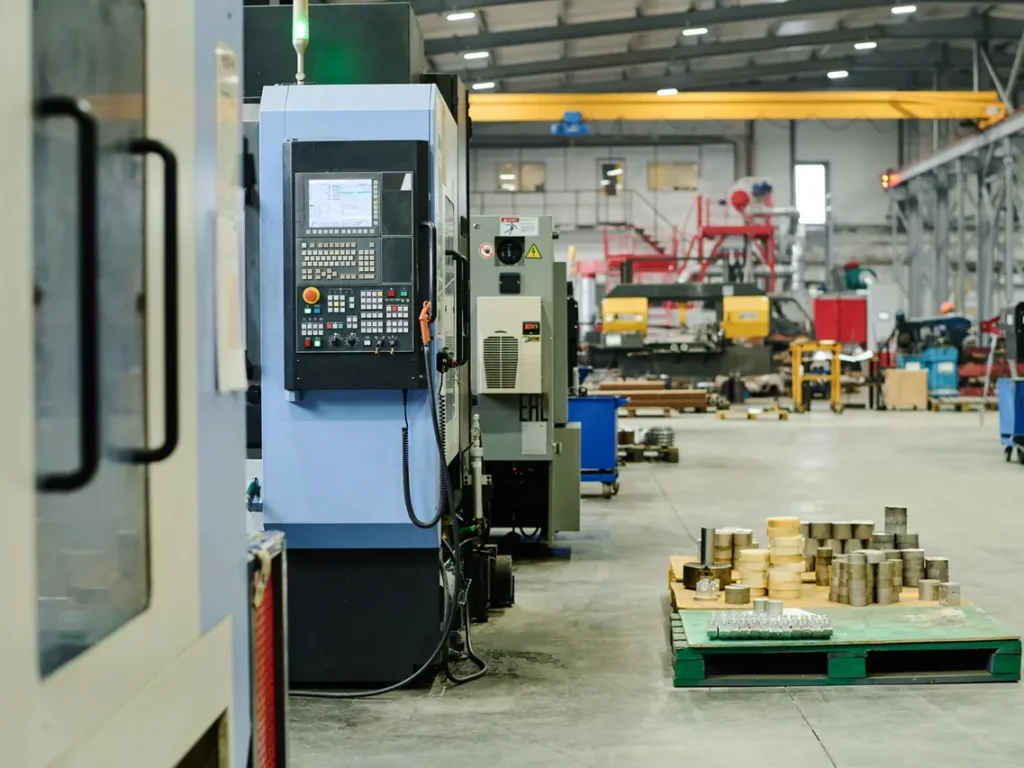
Understanding the distinction between circular and total runout is essential for engineers and manufacturers because it directly determines how rotating parts perform in service and how realistically a drawing can be produced. This guide explores what each control does, when to apply them, and how to avoid the common pitfall of choosing the wrong tool for your functional requirement. Circular runout vs total runout: what it is and why it matters Before diving into the specific differences between the two control types, it helps to establish what runout is fundamentally and why it matters in the first place. This foundation then makes the distinction between circular and total runout clear […]
アルミ鋳物:アルミニウム鋳造の完全ガイド
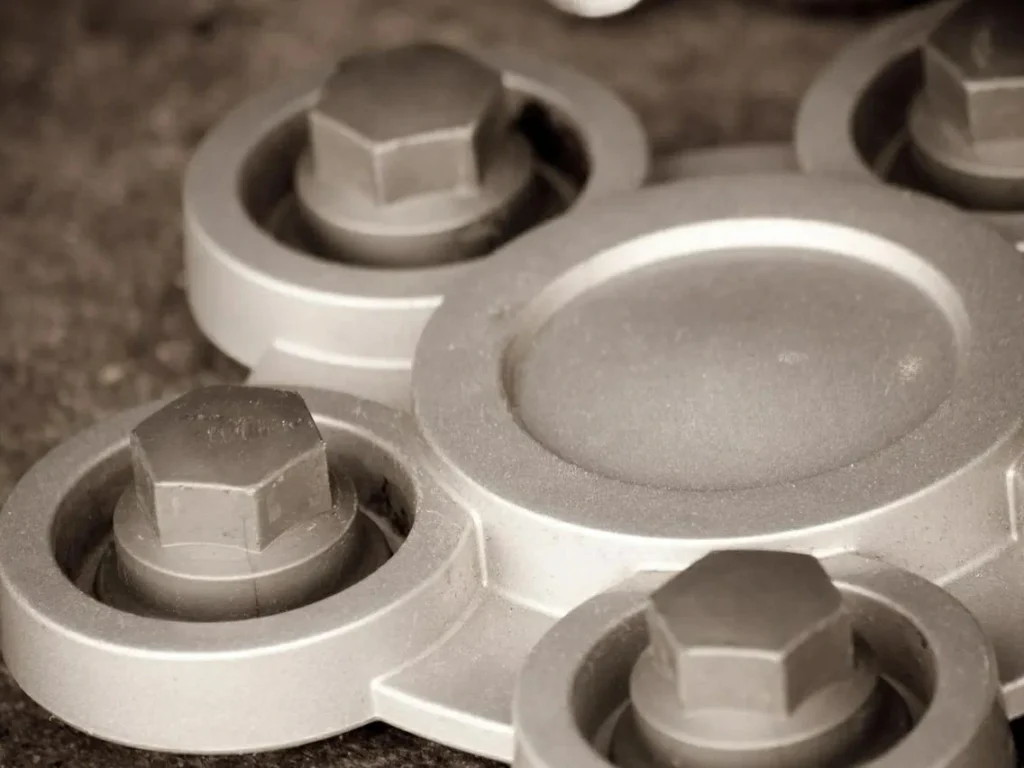
This guide serves as an introduction to aluminum casting and covers everything you need to know about alu cast metal and aluminum metal casting, from its basic definition and key differences from wrought aluminum to alloy selection, casting processes, machining considerations, and real-world applications. It provides practical engineering insights to help you evaluate, specify, and implement aluminum cast components effectively in production. What alu cast metal is and why it matters Understanding cast aluminum starts with clarifying its basic definition and how it differs from wrought aluminum. These differences directly shape design choices, machining strategies, and in-service performance across industrial applications. What is cast aluminum, and how is it different […]
ナット・ボルトさまざまな種類のナットとボルトの完全ガイド
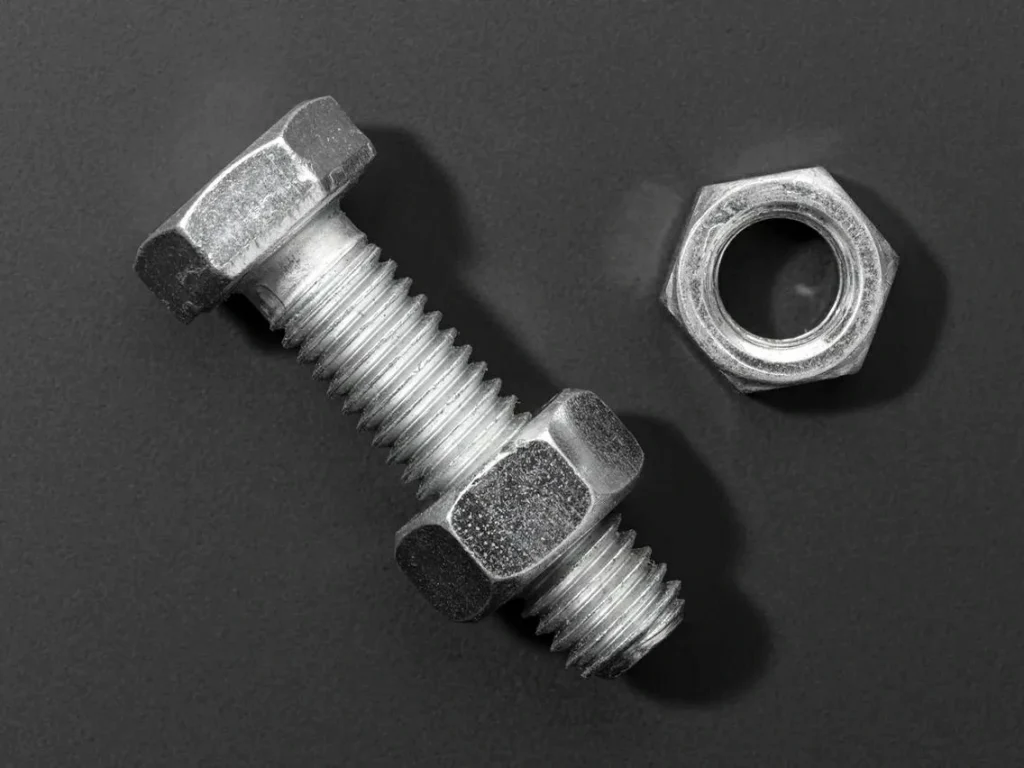
Threaded fasteners are among the most widely used components in mechanical and industrial assemblies. Understanding how nuts and bolts work together, how to match them correctly, and how to avoid common compatibility issues is essential for reliable, long‑lasting joints. This guide covers key definitions, sizing standards, material choices, failure modes, and best practices for selecting and applying nut‑bolt combinations in real‑world engineering applications. What a nut bolt connection is and why it matters A nut bolt connection is a threaded joint made by pairing a bolt with a matching nut so the parts being joined are clamped together. In mechanical assemblies, the bolt usually passes through clearance holes in the […]
マグネシウムとアルミニウムの比較:あなたのマシンのためにどのように選択するか?
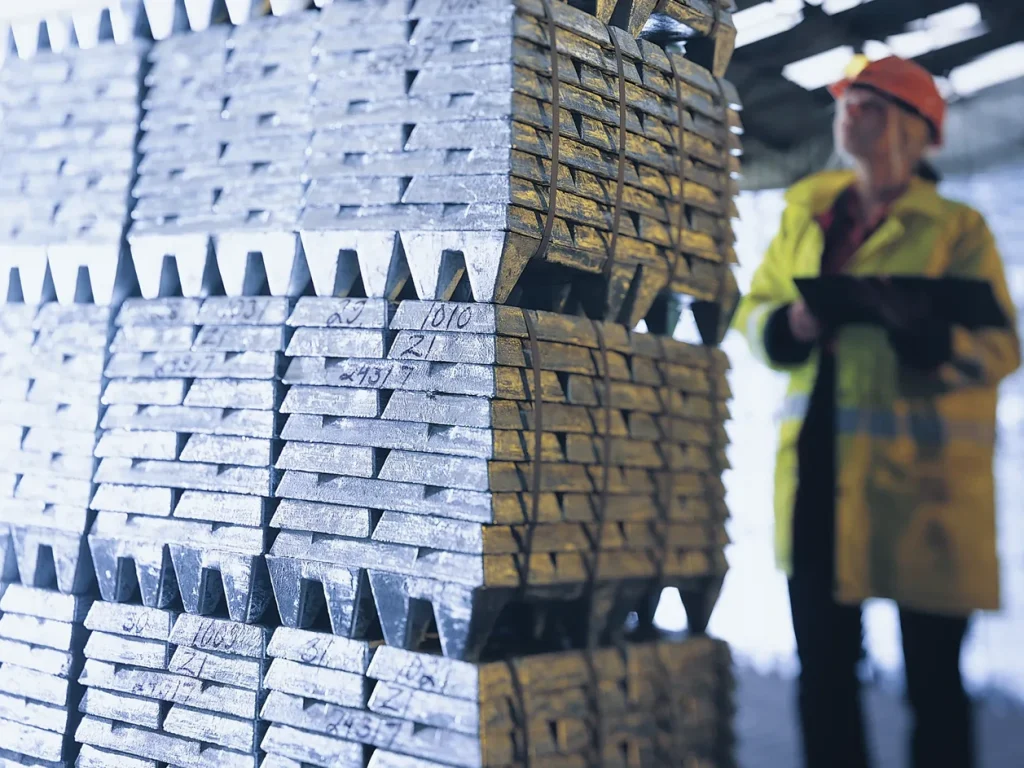
This guide breaks down the practical differences between magnesium and aluminum from a design and manufacturing perspective. It focuses on real engineering tradeoffs rather than generic material comparisons. Magnesium vs Aluminum at a glance Choosing between magnesium vs aluminum is rarely a simple material comparison. In practice, the decision sits between mass reduction, required strength, stiffness, corrosion exposure, manufacturability, and total part cost. Both are established engineering metals, both are widely used in cast and machined components, and both can work well when the part geometry and service environment fit the material. At about 1.74 g/cm³, magnesium is about 33–35% lighter than aluminum at about 2.7 g/cm³. Designers frequently ask […]
アルミニウムプレス加工:アルミニウム金属プレス加工プロセスガイド
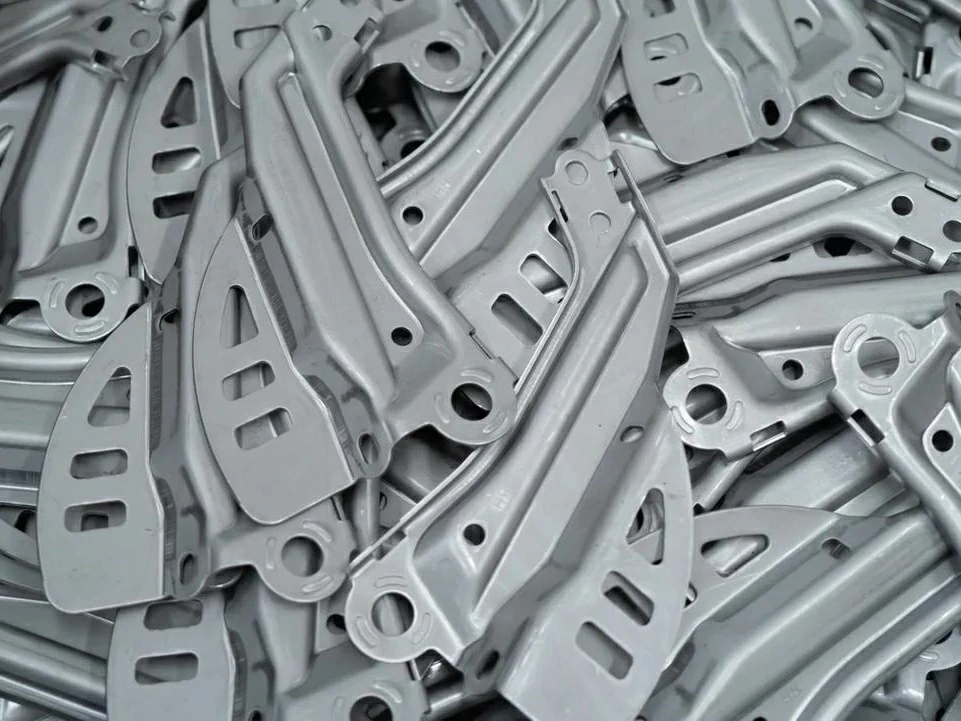
This guide covers the fundamentals of aluminum stamping, from core process principles and material suitability to design rules, tooling logic, and real-world application considerations. It breaks down when stamping is the optimal manufacturing choice, how to select alloys effectively, and what factors determine consistent, cost-effective production for sheet aluminum components. What Is Aluminum Stamping and When Does It Make Sense? Understanding aluminum stamping starts with defining the process itself and recognizing that stamping is a versatile metal forming solution for high-volume sheet metal production. What is aluminum stamping and why is it used for repeatable sheet metal parts? Aluminum stamping is a process that forms flat aluminum sheet into a […]
合金鋼 vs ステンレス鋼ガイド:あなたの製造に合うのはどちら?
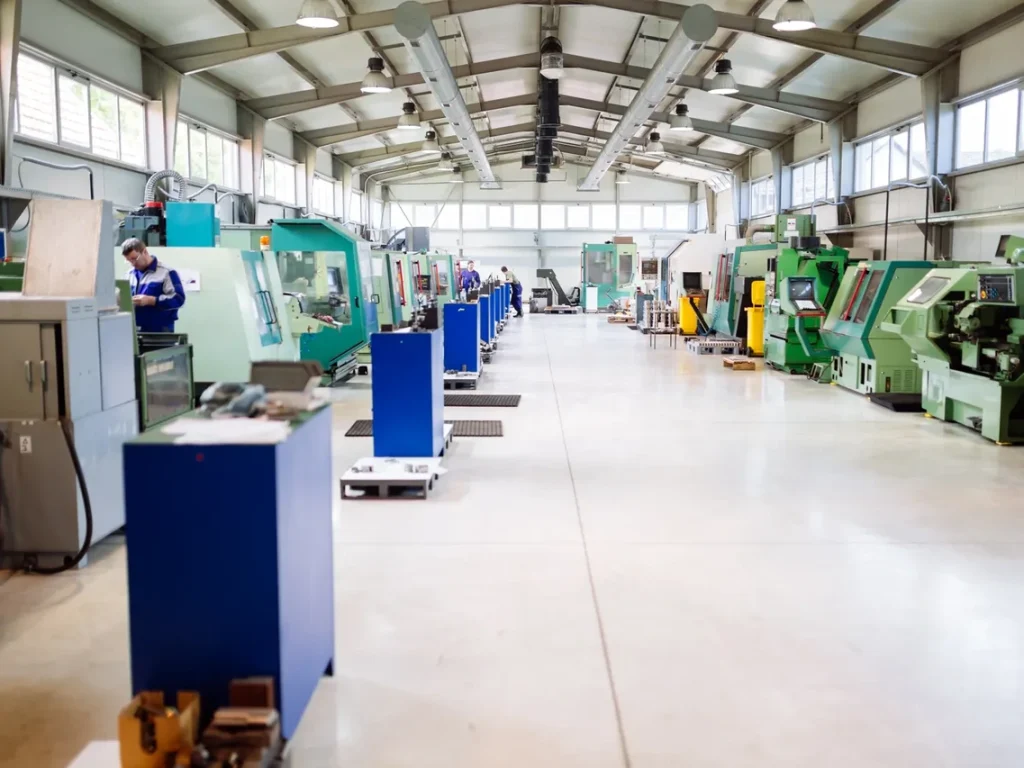
When comparing engineering materials, the difference between alloy steel and stainless steel is often oversimplified as strength versus corrosion resistance. In reality, the decision is more nuanced and depends on how a material performs across the full lifecycle of a part—from machining and fabrication to service environment and maintenance. This guide breaks down alloy steel vs stainless steel from a practical manufacturing perspective, helping engineers and buyers understand where each material fits, where risks arise, and how to make a reliable selection based on real-world application demands. What alloy steel vs stainless steel means and why the choice matters Choosing between alloy steel and stainless steel is not a naming […]
4140降伏:AISI 4140合金鋼の特性ガイド
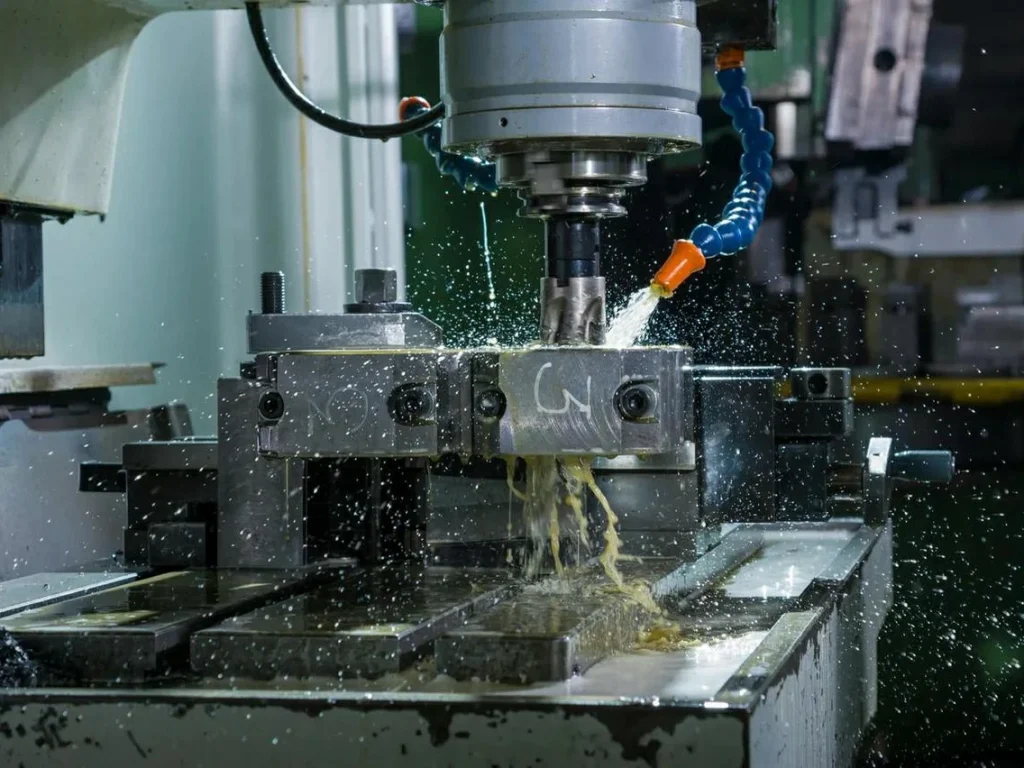
Yield strength is one of the most critical mechanical properties for designing with AISI 4140 alloy steel, as it defines the load threshold beyond which permanent deformation occurs. This guide outlines typical yield values for common heat-treated conditions, explains why properties vary by supply and processing, and provides practical verification steps to ensure safe, reliable part design and specification. What 4140 yield means and why it matters in design In mechanical design, 4140 yield usually means the stress level where 4140 alloy steel starts to deform permanently. Below yield strength, the part returns to its original shape when the load is removed. Above yield strength, it takes a permanent set. […]
CNC加工における真鍮と青銅:主な相違点、精密性能と材料選択
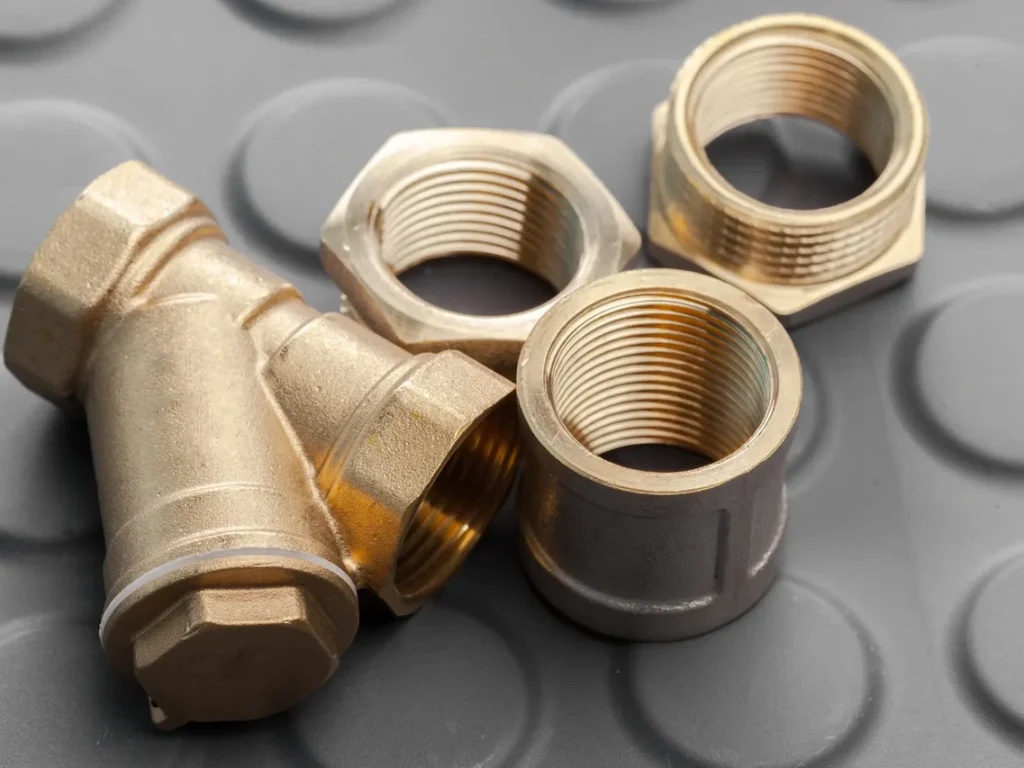
Choosing between bronze and brass for CNC machining isn’t about picking the “better” metal—it’s about matching the material for your CNC job to real performance needs. Both are copper alloys, but they behave very differently on the machine and in service. Brass shines in high-volume, precision parts with thin walls or fine cosmetic finishes, offering easier cutting, faster cycles, and lower tool wear. Bronze, on the other hand, often earns its place in bearings, bushings, and load-bearing or corrosion-prone components thanks to superior wear resistance and durability. Understanding how machinability, corrosion behavior, conductivity, and cost differ between these alloys is key to making the right material decision for your CNC […]

 Japanese
  English
  German
  French
  Italian
  Spanish
  Polish
  Czech
Czech