
CNCマシニングMOQ:最小値、コスト、決断
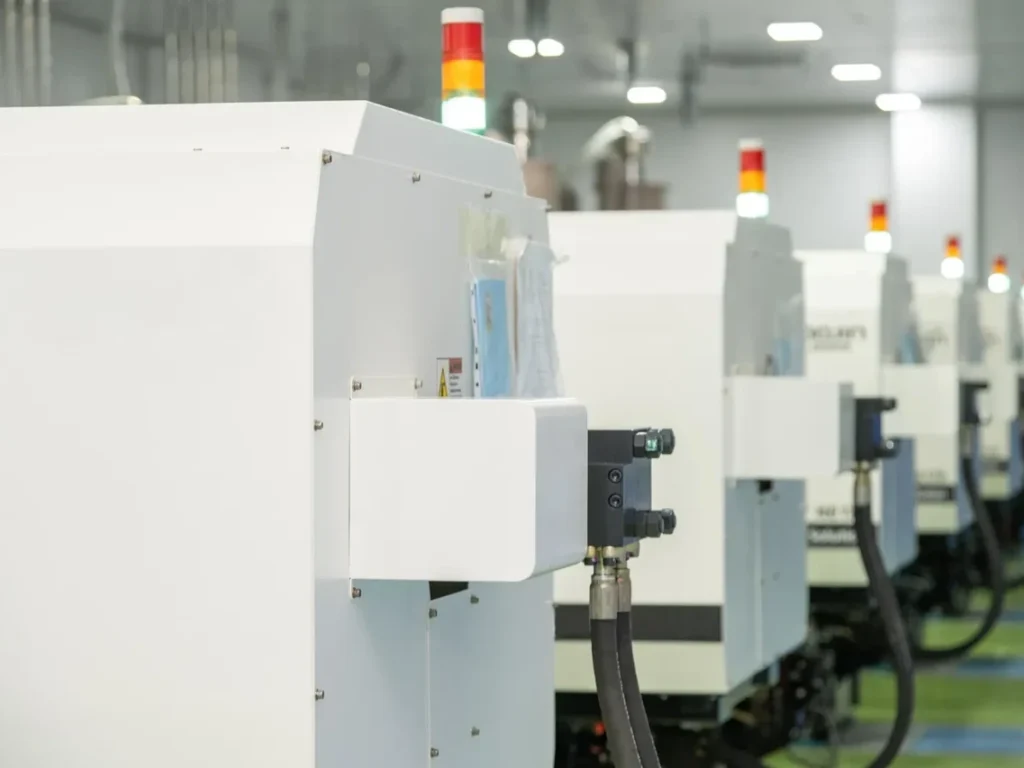
If you are comparing CNC suppliers, one of the first constraints you will hit is CNC machining moq. MOQ means minimum order quantity. In computer numerical control (CNC) machining, a leading subtractive manufacturing method within modern manufacturing technologies, it is the smallest order a shop is willing to run under a given set of conditions. That sounds simple, but in practice it shapes price, lead time, and even whether a part is worth machining at all. A buyer may want 5 or 50 parts. A supplier may prefer 500. Another may accept 1 part, but at a much higher unit price. The key point is that MOQ is not just […]
CNCマシニングRFQテンプレートガイド

A cnc machining rfq template is a structured way to request pricing and feasibility review for a machined part. In practice, it is not just a blank form. It is the full quote package that lets a cnc shop decide whether the part can be made, how it should be made, what risks exist, and what assumptions must be used in pricing. In a competitive environment, buyers requesting quotes for CNC machined parts quickly discover that the quality of the RFQ controls whether they receive a high-quality response or a conditional estimate full of assumptions. For custom manufacturing, a weak package almost always means an unreliable quote. If the technical […]
低コストCNC加工ガイド:品質を損なうことなく加工コストを削減する方法
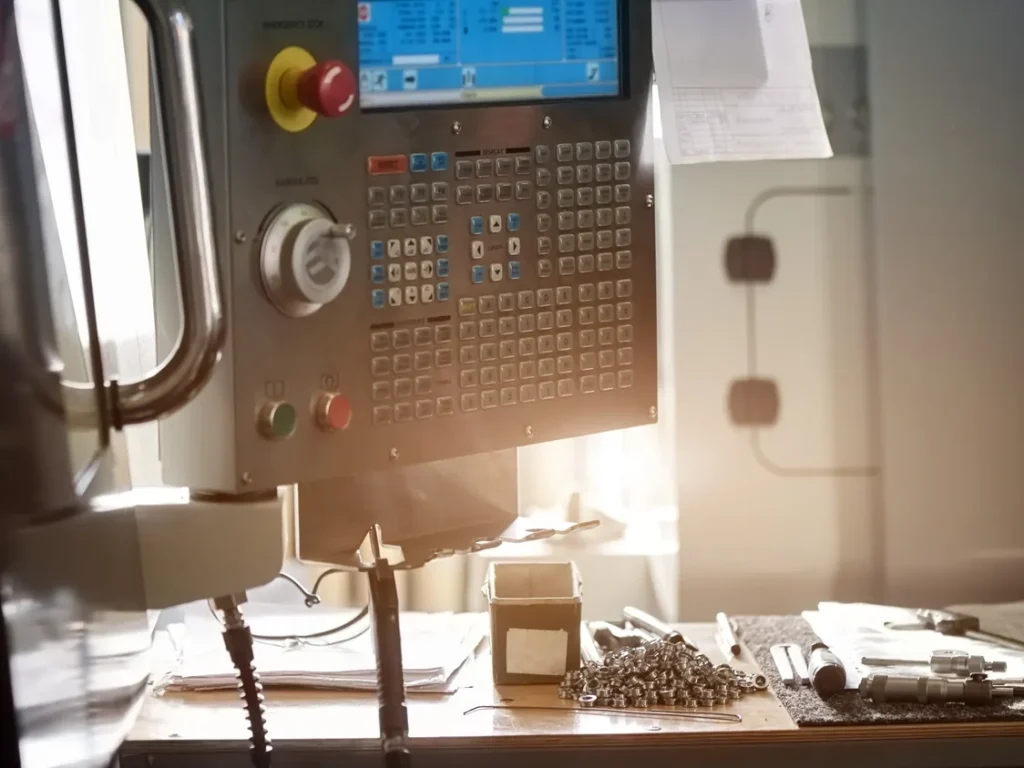
Reducing machining cost without quality loss means removing cost that does not add function, while adhering to standardized process guidelines to ensure repeatable quality, according to NIST. In CNC machining, the largest savings usually come from better CNC machined parts design, fewer setups, shorter cycle times, the right process choice, and stable inspection planning, which directly affects the cost of CNC. The goal is not to make a part’s cost minimal at the expense of function. The goal is to make them economically while still meeting the features that matter: fit, strength, finish where needed, and repeatable tolerances on critical dimensions. This guide provides actionable insights on how to reduce […]
CNC深穴加工機:深穴加工の種類
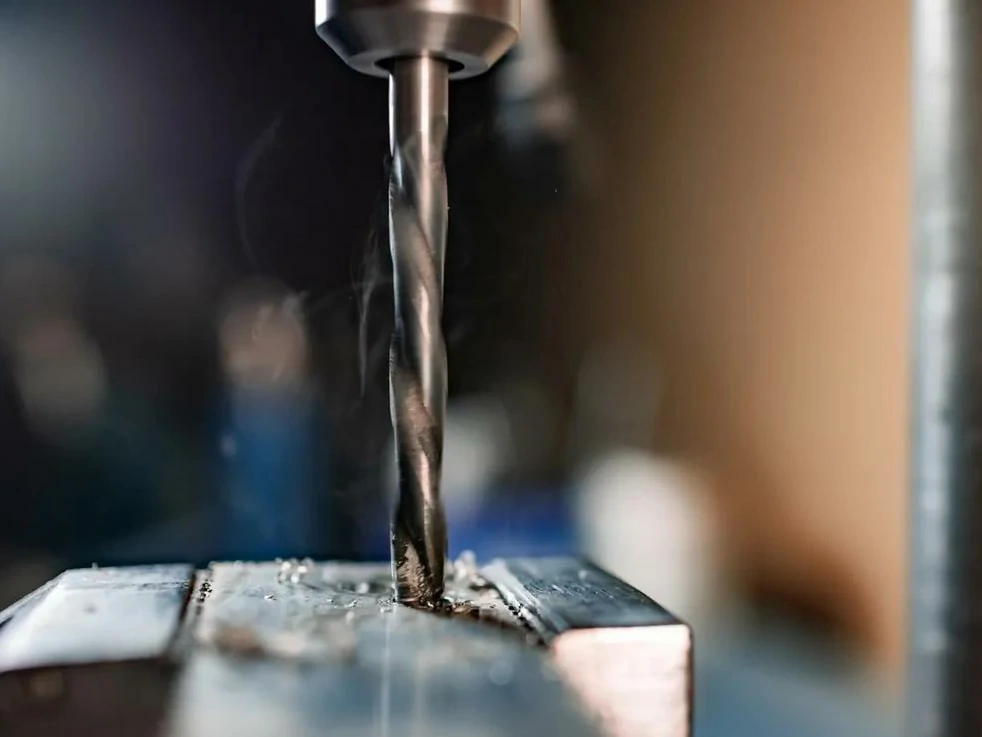
In real-world machining, not every hole is as simple as it looks on a drawing. Once depth starts to scale far beyond diameter, the process quickly shifts from routine drilling to a precision-controlled operation. This is where cnc deep hole drilling becomes critical. It’s not just about reaching a target depth—it’s about maintaining straightness, managing chips, controlling heat, and ensuring consistent quality throughout the entire bore. For engineers, buyers, and manufacturers, understanding how cnc deep hole drilling works—and when standard methods stop being reliable—can be the difference between a smooth production run and costly delays, tool failures, or rejected parts. What Is CNC Deep Hole Drilling and Why Does It […]
ブラインドホール・タッピングガイド機械加工におけるブラインドホール
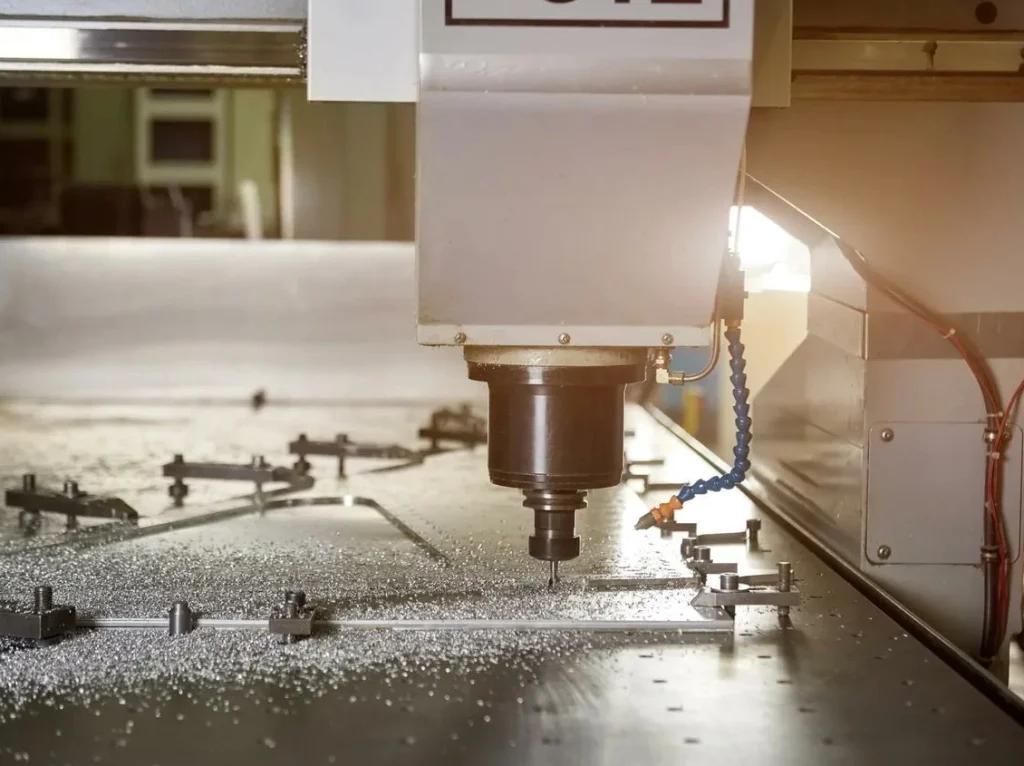
In precision machining, blind holes are deceptively simple features that often introduce complex challenges in thread quality, chip control, and tool reliability. This blind hole tapping guide breaks down what engineers, buyers, and machinists must understand before specifying or producing blind threaded holes. Unlike through holes, blind holes trap chips and limit tool movement, making depth planning and tap selection far more critical. Small design oversights—such as unclear thread depth or insufficient bottom clearance—can quickly lead to broken taps, poor threads, and costly scrap. Whether you’re optimizing CNC processes or reviewing part drawings, understanding the real-world constraints behind blind hole tapping is essential for achieving consistent, production-ready results. Blind Hole […]
CNC GコードとMコード:CNCプログラミング言語ガイド
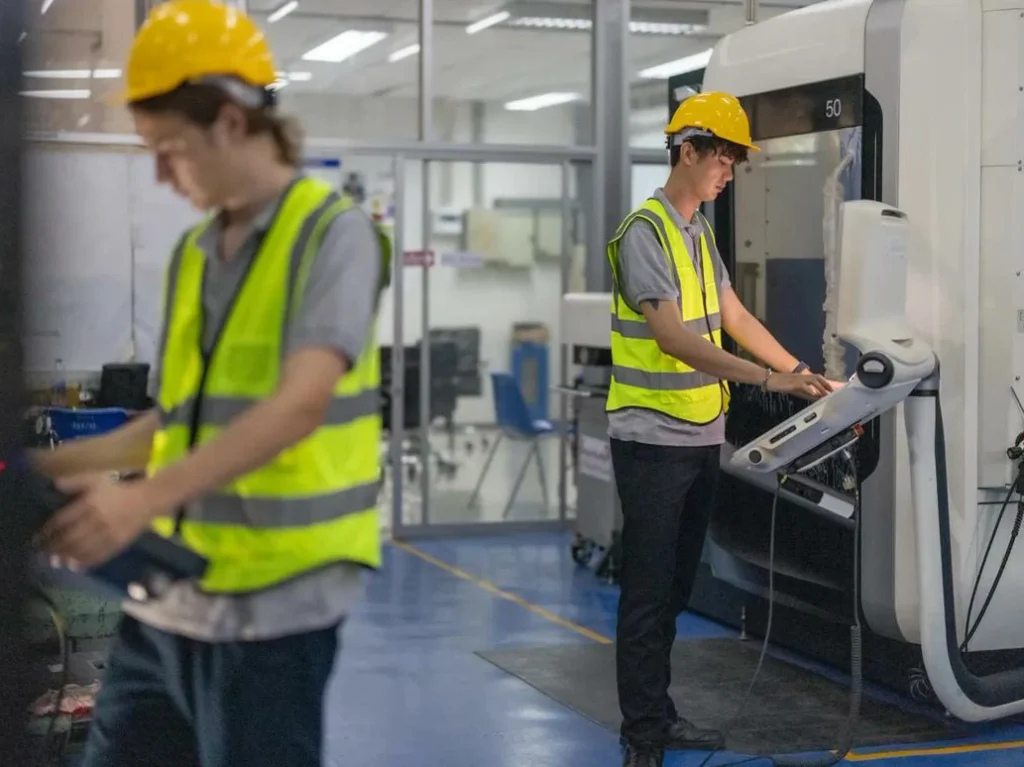
CNC g-code and m-code form the foundation of cnc programming. They affect safe machining, prove-out time, programming time and ease of revisions, and how much controller-specific risk exists before production starts. For engineers and buyers starting with a guide to g programming, the useful question is not only “what do these codes mean?” The better question is: when is handwritten code practical, when should CAM output be trusted, and what must be checked before a program runs on a specific machine? What cnc g-code and m-code are and why they matter G-code is used to control the machine tool and move the tool along precise paths in the computer numerical […]
機械加工部品の応力緩和:鋼と精密部品の安定性向上
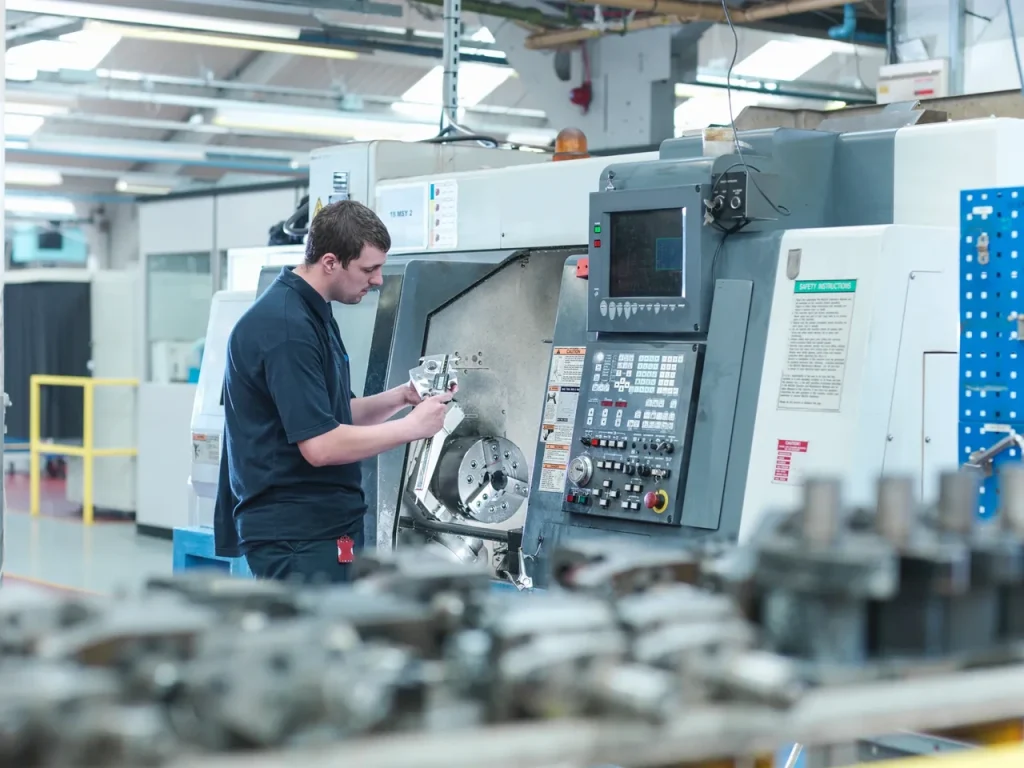
Machined parts are the backbone of modern manufacturing, but even perfectly cut metal components aren’t always as stable as they seem. Residual stress from machining and handling is crucial to consider, as uneven forces can induce stress that leads to warping over time. Residual stress from processes like milling, welding, casting, or clamping can quietly build up inside a part, leading to warping, dimensional drift, or tolerance loss over time. That’s where stress relief for machined parts comes in—a critical step to ensure parts maintain flatness, alignment, and long-term reliability. Understanding how and when to apply stress relief, whether through thermal annealing, vibratory methods, or specialized treatments, is key for […]
バリ取り方法:板金の効果的なバリ取り方法

In modern metalworking, mastering burr removal methods is essential for both precision and safety. Burrs—those unwanted raised edges left after cutting, drilling, or milling—can compromise assembly, damage seals, and affect surface finishes. Understanding how to select the right burr removal methods for different materials and part geometries ensures cleaner edges, reduces rework, and improves overall production efficiency. From manual deburring to advanced electrochemical and thermal techniques, this guide explores practical strategies to achieve burr-free, high-quality metal parts. What burr removal methods are and why they matter Understanding burr characteristics and their impact is essential for selecting appropriate removal processes. Below we clarify what constitutes a burr across different manufacturing scenarios, […]
CNCライブツーリング旋盤による一発加工の効率化とは?
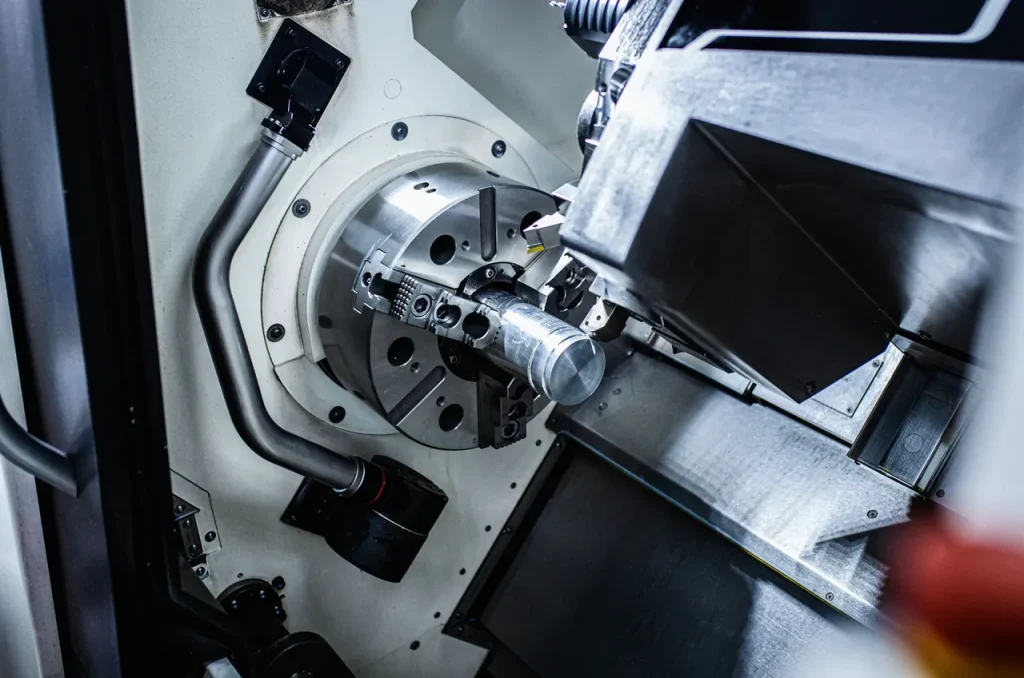
In modern machining, the real challenge is no longer just how to cut a part—it’s how to reduce setups, eliminate delays, and keep accuracy consistent from start to finish. A CNC live tooling lathe sits right at the center of that problem. It promises to combine turning, milling, and drilling in a single setup, but the real question is: when does that promise actually translate into better parts, lower cost, and faster production? Understanding how to maximize your live tool is key to unlocking real efficiency gains and one-hit machining benefits. This guide is built to answer that in practical terms. Instead of treating live tooling as a generic upgrade, […]
CNC工作機械のキャリブレーション:スクラップを避け、加工精度を確保する方法
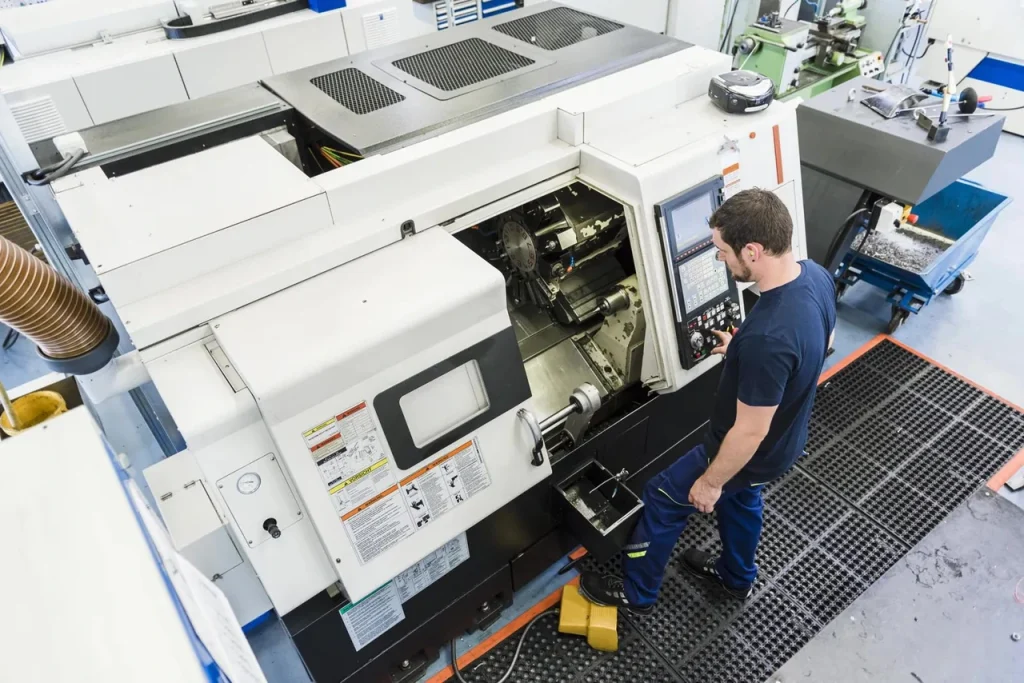
Maintaining accurate CNC machine tool calibration is critical for high-precision CNC milling and CNC turning operations. Regular calibration preserves geometric accuracy, reduces scrap and tool wear, and ensures consistent performance across all machining processes. With proper testing and adjustment, your equipment stays reliable, extends service life, and supports stable, efficient production. What CNC machine calibration is and why it matters Understanding CNC machine calibration is vital for precision manufacturing. Proper calibration uses professional calibration equipment to verify machine movements, supports measurement traceability in CNC calibration, and ensures CNC machines perform reliably across all machining applications. Definition: what CNC machine calibration covers in geometry, positioning, and repeatability CNC machine calibration is […]

 Japanese
  English
  German
  French
  Italian
  Spanish
  Polish
  Czech
Czech