
Press Fit: Interference Tolerance, Machine & Assembly Parts
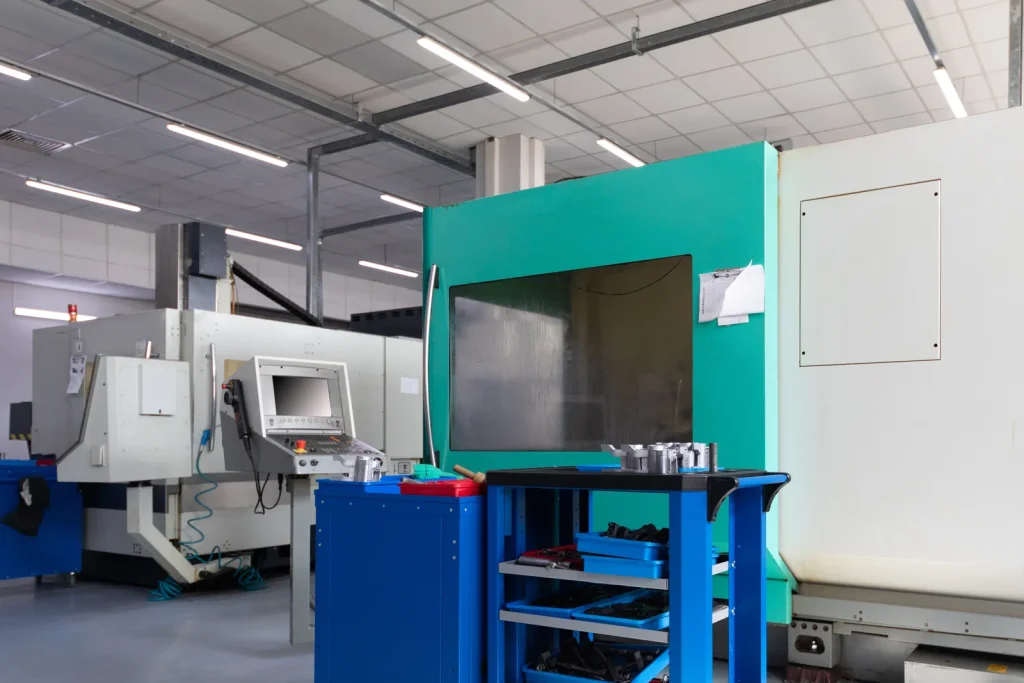
Press fit assemblies rely on carefully controlled interference, precision machining, and tight tolerance management to create strong, reliable joints without fasteners. Understanding how interference, tolerance selection, machining capability, and assembly method work together is key to press fit performance in real‑world applications. What Is a Press Fit and Why Does It Matter? To understand its real‑world function, we start with a clear definition in machining, then compare press fits to related fitting types and review common fit classes used in industry. What is a press fit for machining? A press fit is a mechanical connection between two parts where the shaft is intentionally sized larger than the inner diameter of […]
縦型フライス加工:機械の選択とトレードオフ
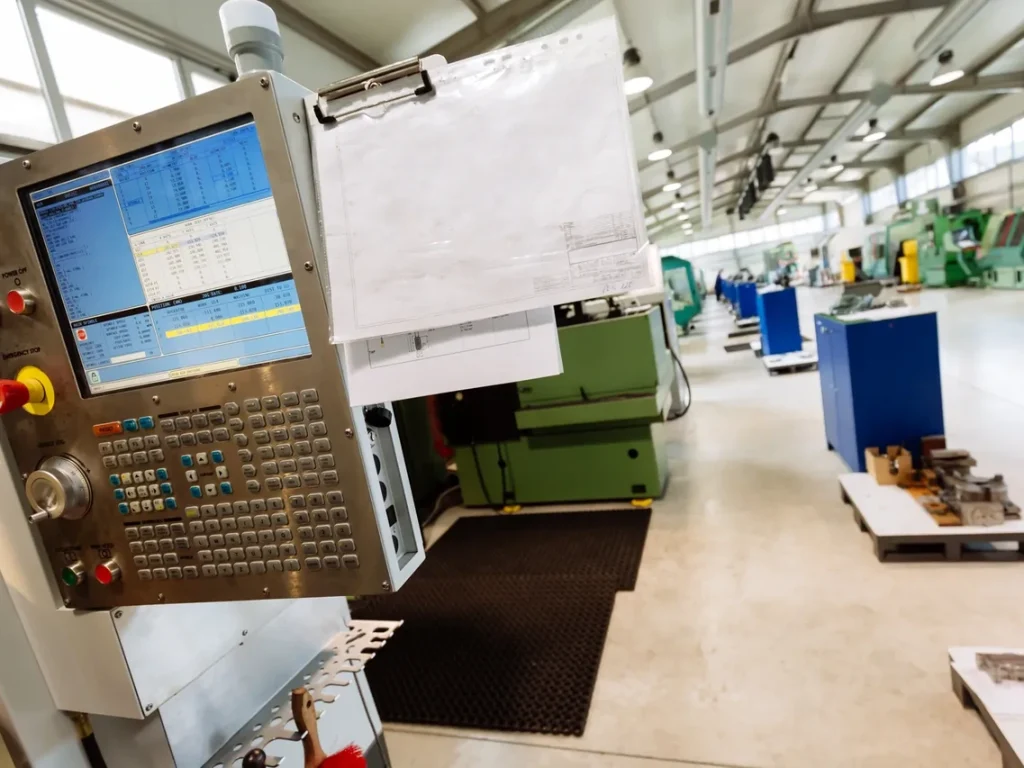
To select the right milling machine for your manufacturing needs, you must understand the capabilities and limitations of each type. This guide explores vertical milling from machine selection through real-world applications, helping you assess feasibility, optimize performance, and match the process to your part requirements. What vertical milling is and why it matters The foundation begins with understanding what distinguishes vertical milling from other machining approaches and why its spindle orientation shapes both capability and constraint. What is a vertical milling machine and how is it different from other mill types? Vertical milling is a type of milling in which the cutting tool rotates on a spindle in a vertical […]
メタルギャリング・ガイドギャリングはなぜ起こるのか?

Metal galling is a severe form of adhesive wear that occurs when metal surfaces slide or tighten against each other under load, leading to material transfer, surface tearing, and even seizure. It is a critical concern in engineering because it can cause threaded fasteners to lock, sliding components to score, and otherwise functional parts to become unusable during assembly or service. Understanding why it happens—and how to prevent it—is essential for improving reliability in design, manufacturing, and maintenance across a wide range of metal-to-metal contact applications. What Metal Galling Is and Why It Matters Metal galling is a severe form of surface damage that happens when two metal surfaces slide […]
亜鉛メッキ鋼板は錆びるのか?腐食ガイドとステンレス鋼の比較
When working with threaded fasteners, a fundamental first step is distinguishing between male and female threads—this basic yet critical distinction lays the groundwork for proper thread selection and secure assembly. What Galvanized Steel Is and Why Rust Risk Matters To understand galvanized steel and its rust risk, we first break down how galvanizing works to protect steel, then address common questions about its corrosion behavior and practical implications. What galvanizing does to steel and why zinc changes corrosion behavior Galvanizing protects steel by adding a zinc coating that corrodes preferentially and can provide localized cathodic protection near small coating defects. That protection is limited by coating continuity, defect size, geometry, […]
カウンターシンクとザグリ穴の比較マシンドリル&ザグリ穴
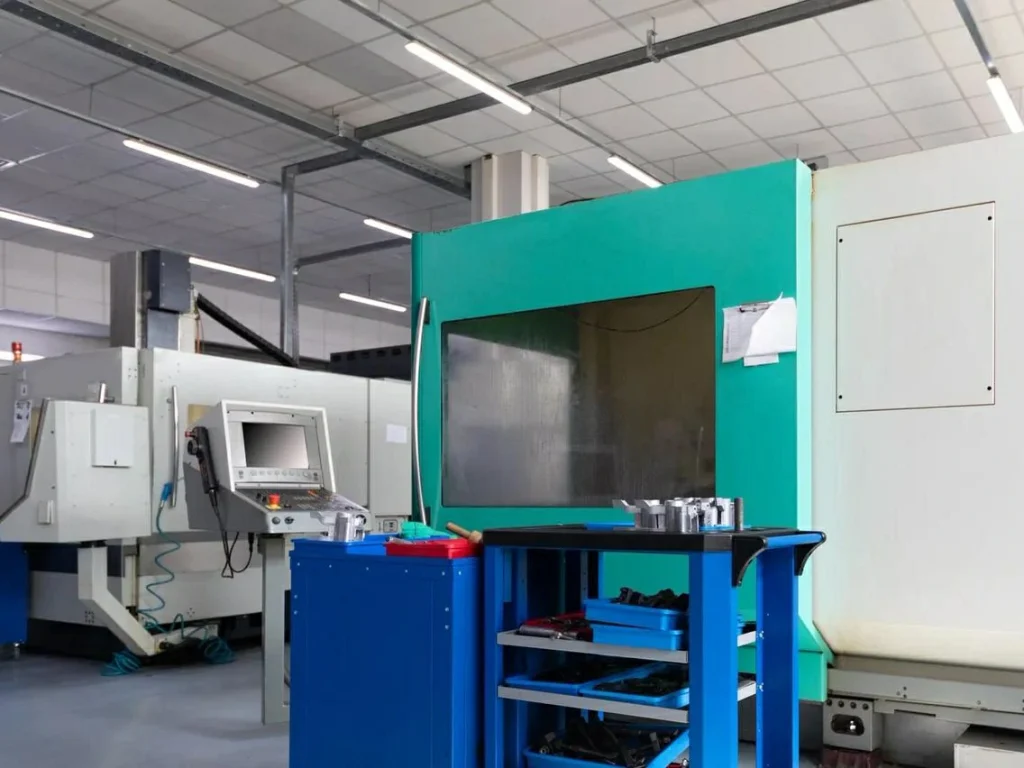
Understanding the difference between countersinks and counterbores is essential for accurate drilling, reliable machining, and proper fastener seating in precision components. This guide breaks down their key distinctions, machining uses, and practical applications for counterbore holes and CNC operations. What countersink and counterbore are, and why the difference matters Countersink and counterbore represent common types of holes, and both are secondary features added around holes for screws or bolts that are commonly used in precision machining. Both are used to control how a fastener’s head sits in a part. The difference seems simple, but it changes fastener choice, machining method, part strength, and whether the assembly will fit as intended. […]
冷間圧造ガイド:冷間圧造のプロセス、限界、利点
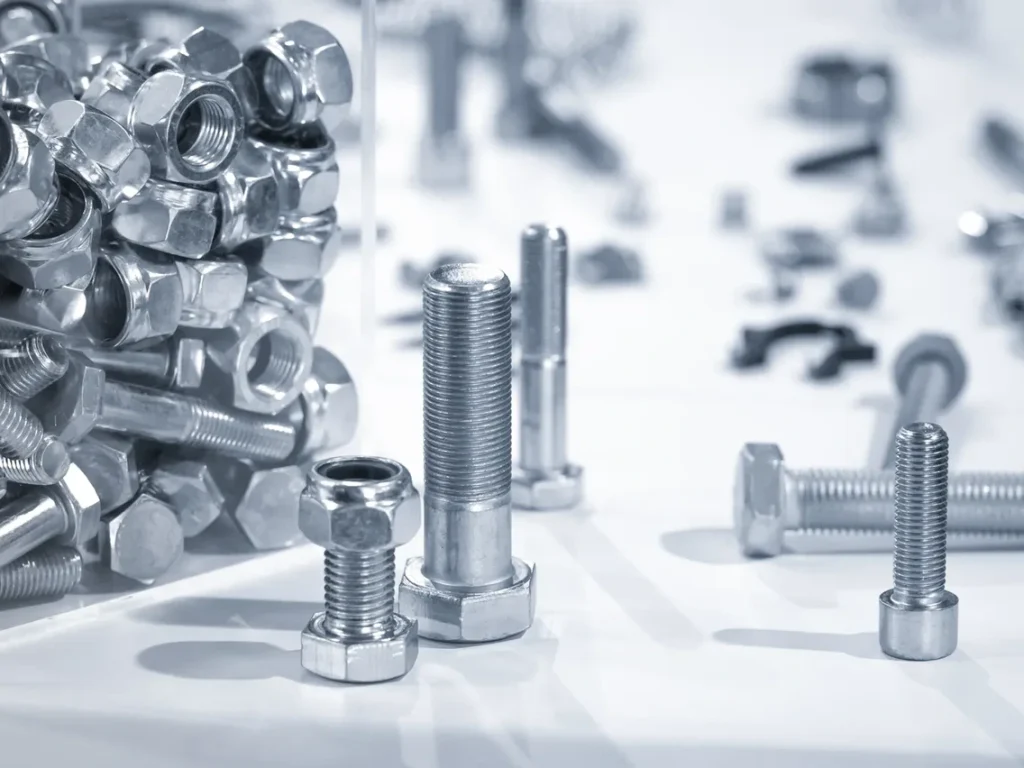
Cold heading sits at the intersection of a cold forming process that shapes metal wire and manufacturing efficiency. It is widely used in cold headed manufacturing to produce small, repeatable components—especially standard fasteners and specialty fasteners—by shaping material rather than cutting it away, making it fundamentally different from machining-based manufacturing routes such as turning. This guide explains how the cold heading process creates parts, where it fits in modern manufacturing, and where it breaks down in real production scenarios. It focuses on practical decision factors such as cold formability in cold working and cold forming processes, production volume, tooling cost, and when alternative forging process routes like cold forging are […]
GD&Tにおける円形振れと総振れ
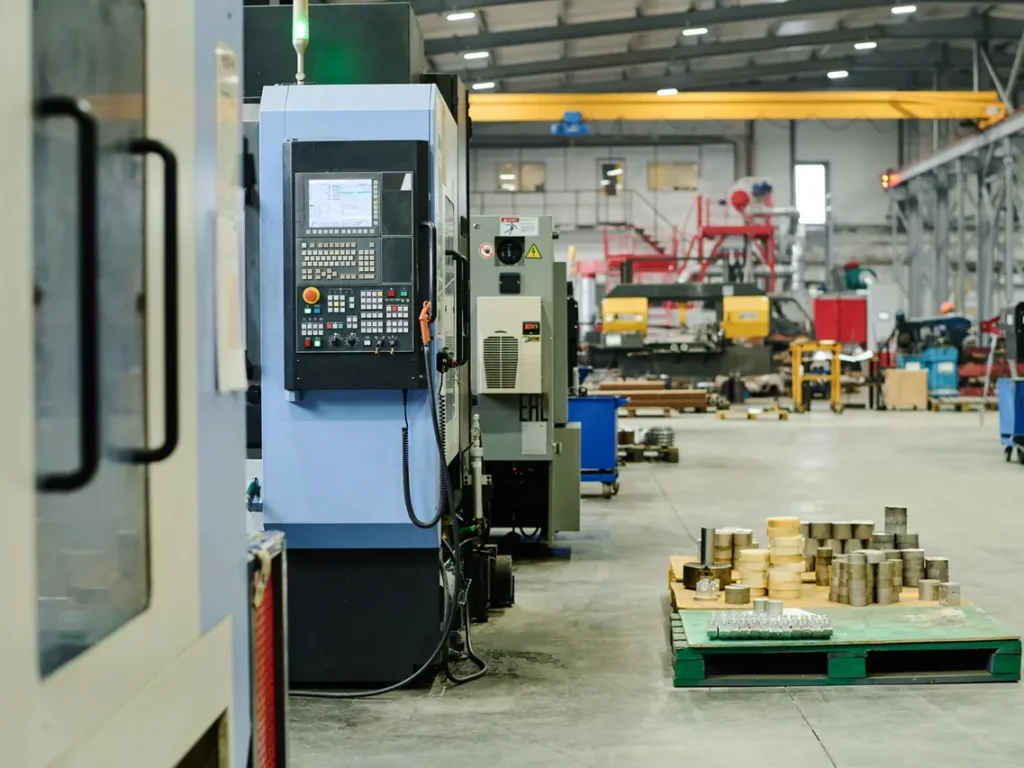
Understanding the distinction between circular and total runout is essential for engineers and manufacturers because it directly determines how rotating parts perform in service and how realistically a drawing can be produced. This guide explores what each control does, when to apply them, and how to avoid the common pitfall of choosing the wrong tool for your functional requirement. Circular runout vs total runout: what it is and why it matters Before diving into the specific differences between the two control types, it helps to establish what runout is fundamentally and why it matters in the first place. This foundation then makes the distinction between circular and total runout clear […]
アルミ鋳物:アルミニウム鋳造の完全ガイド
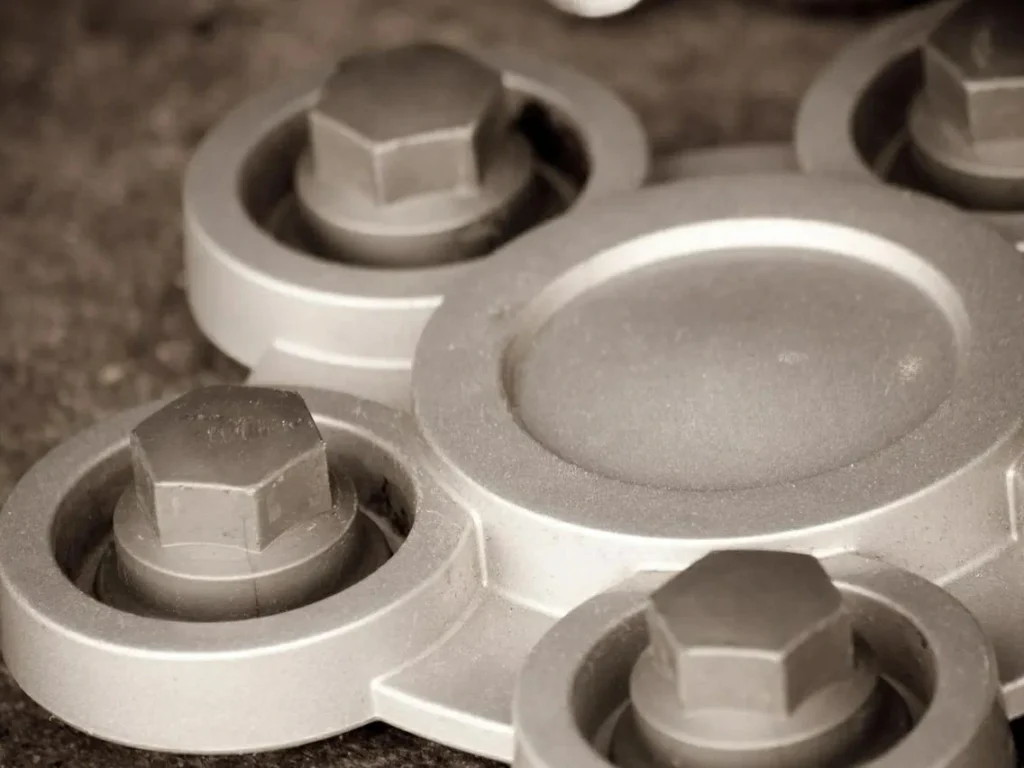
This guide serves as an introduction to aluminum casting and covers everything you need to know about alu cast metal and aluminum metal casting, from its basic definition and key differences from wrought aluminum to alloy selection, casting processes, machining considerations, and real-world applications. It provides practical engineering insights to help you evaluate, specify, and implement aluminum cast components effectively in production. What alu cast metal is and why it matters Understanding cast aluminum starts with clarifying its basic definition and how it differs from wrought aluminum. These differences directly shape design choices, machining strategies, and in-service performance across industrial applications. What is cast aluminum, and how is it different […]
ナット・ボルトさまざまな種類のナットとボルトの完全ガイド
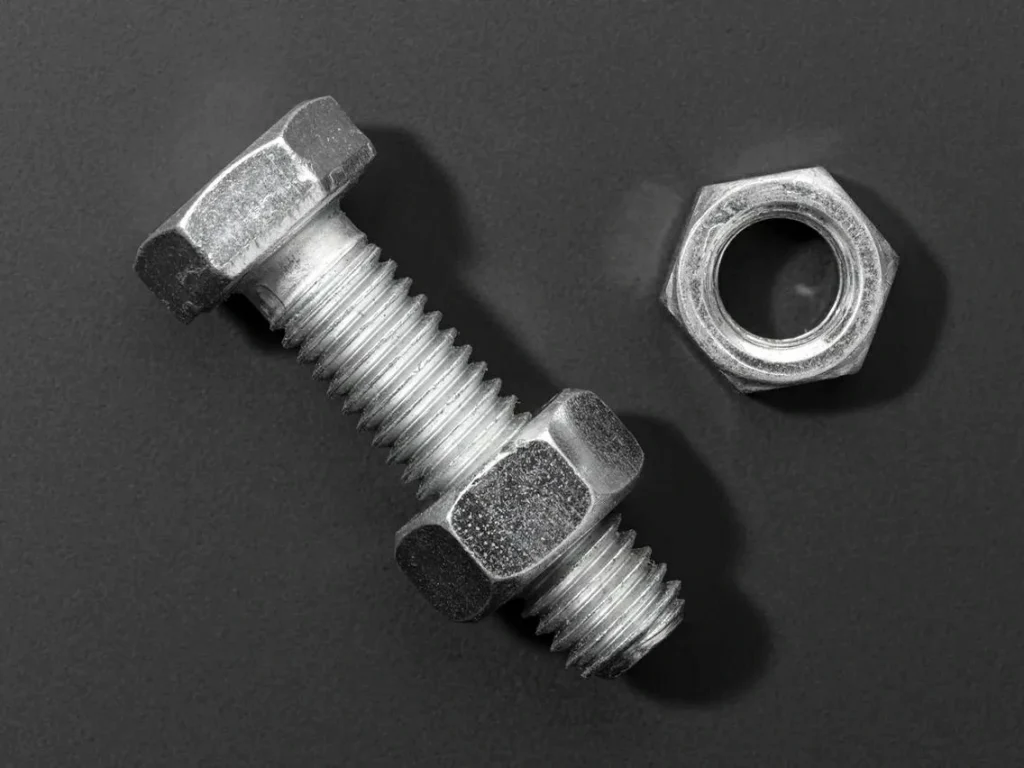
Threaded fasteners are among the most widely used components in mechanical and industrial assemblies. Understanding how nuts and bolts work together, how to match them correctly, and how to avoid common compatibility issues is essential for reliable, long‑lasting joints. This guide covers key definitions, sizing standards, material choices, failure modes, and best practices for selecting and applying nut‑bolt combinations in real‑world engineering applications. What a nut bolt connection is and why it matters A nut bolt connection is a threaded joint made by pairing a bolt with a matching nut so the parts being joined are clamped together. In mechanical assemblies, the bolt usually passes through clearance holes in the […]
マグネシウムとアルミニウムの比較:あなたのマシンのためにどのように選択するか?
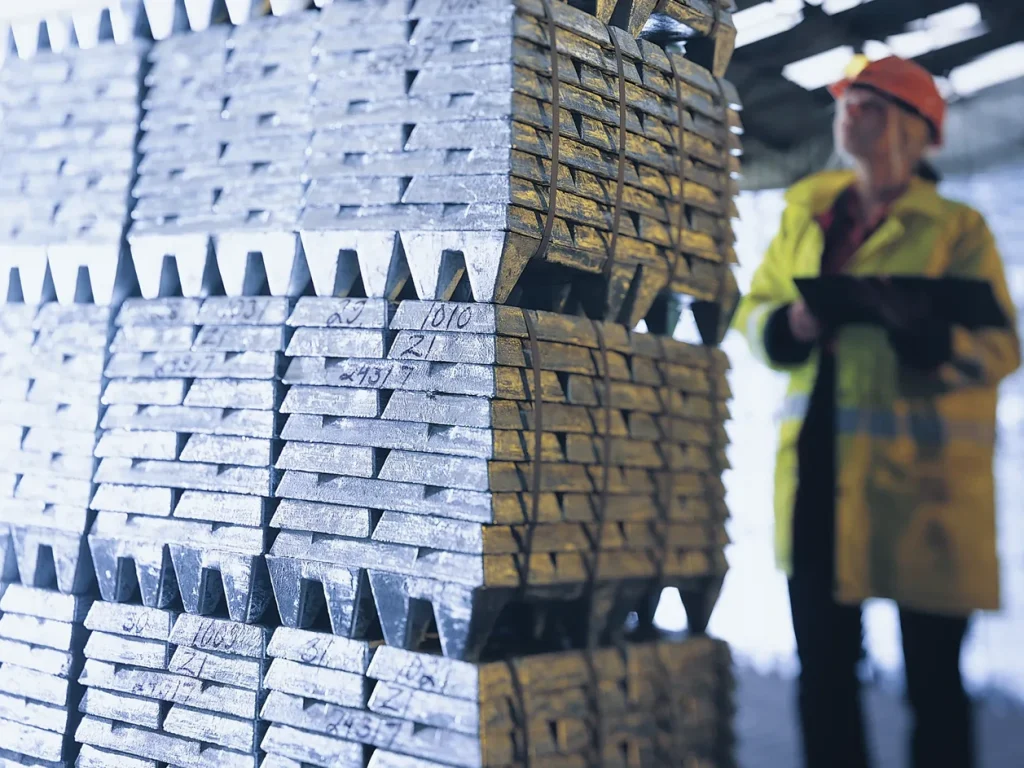
This guide breaks down the practical differences between magnesium and aluminum from a design and manufacturing perspective. It focuses on real engineering tradeoffs rather than generic material comparisons. Magnesium vs Aluminum at a glance Choosing between magnesium vs aluminum is rarely a simple material comparison. In practice, the decision sits between mass reduction, required strength, stiffness, corrosion exposure, manufacturability, and total part cost. Both are established engineering metals, both are widely used in cast and machined components, and both can work well when the part geometry and service environment fit the material. At about 1.74 g/cm³, magnesium is about 33–35% lighter than aluminum at about 2.7 g/cm³. Designers frequently ask […]

 Japanese
  English
  German
  French
  Italian
  Spanish
  Polish
  Czech
Czech