
CNC Supplier Qualification Checklist for OEM Buyers
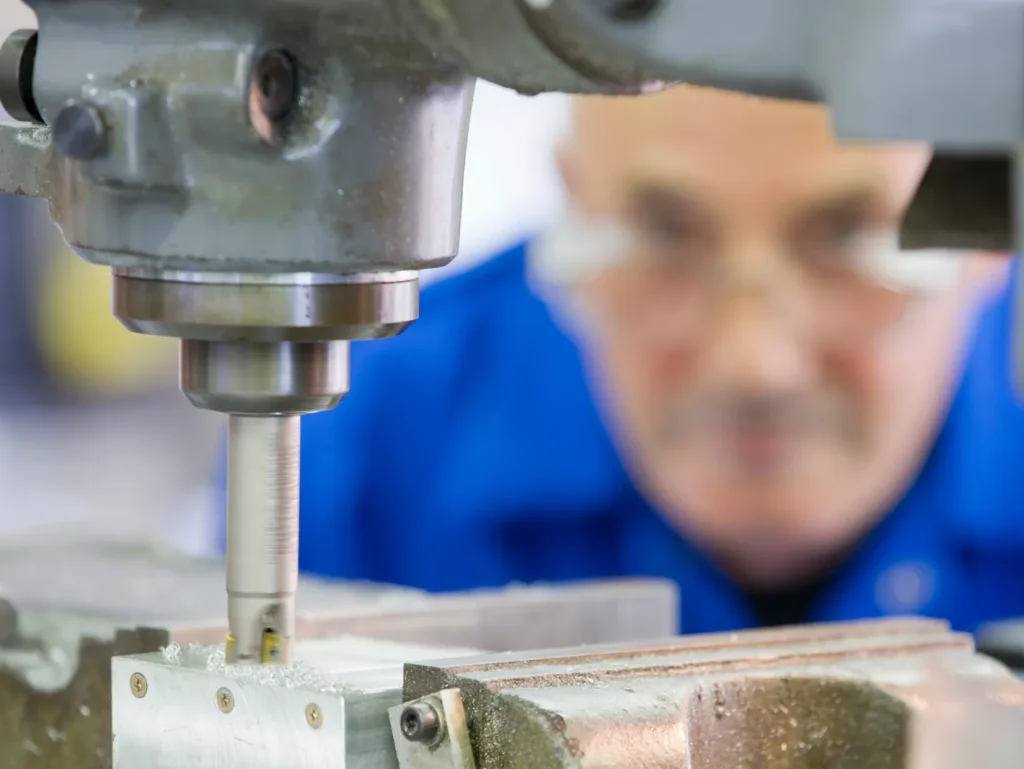
What Is CNC Supplier Qualification and Why It Matters CNC supplier qualification is the documented process an OEM uses to decide whether a CNC machining supplier can make parts to specification, consistently, and with acceptable business risk. It is not only a purchasing step. It connects engineering, quality, sourcing, and production planning. For OEM machined […]
Carbon Steel CNC Machining: Complete Guide to Grades, Tolerances & Machined Parts
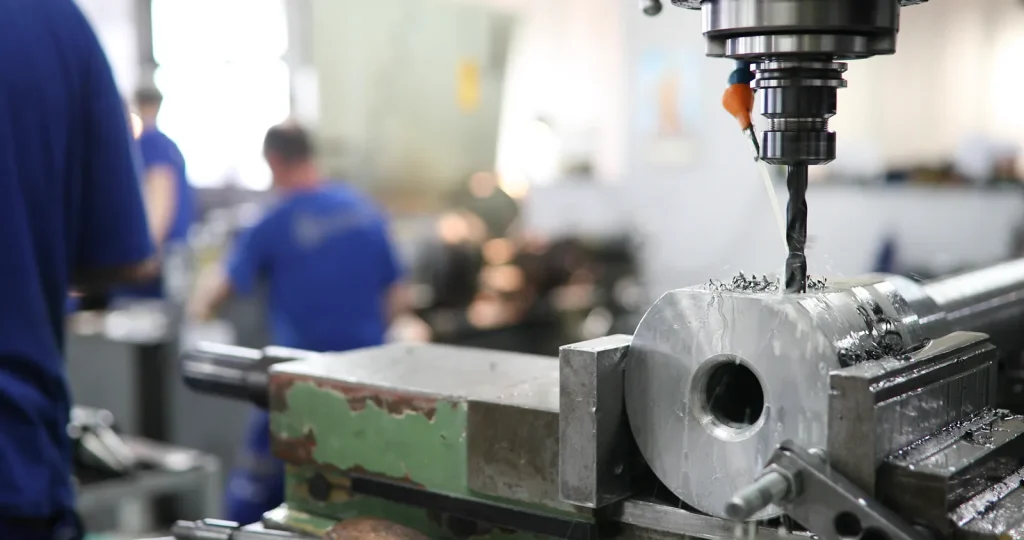
Carbon steel CNC machining is often considered when a part needs strength, wear resistance, low material complexity, and industrial durability without moving immediately to stainless steel or higher-alloy materials. For engineers and technical buyers, the main question is not only whether carbon steel can be machined. It is whether the selected grade, hardness state, geometry, […]
CNC Machining Tolerances Guide: Standard Machining Tolerances
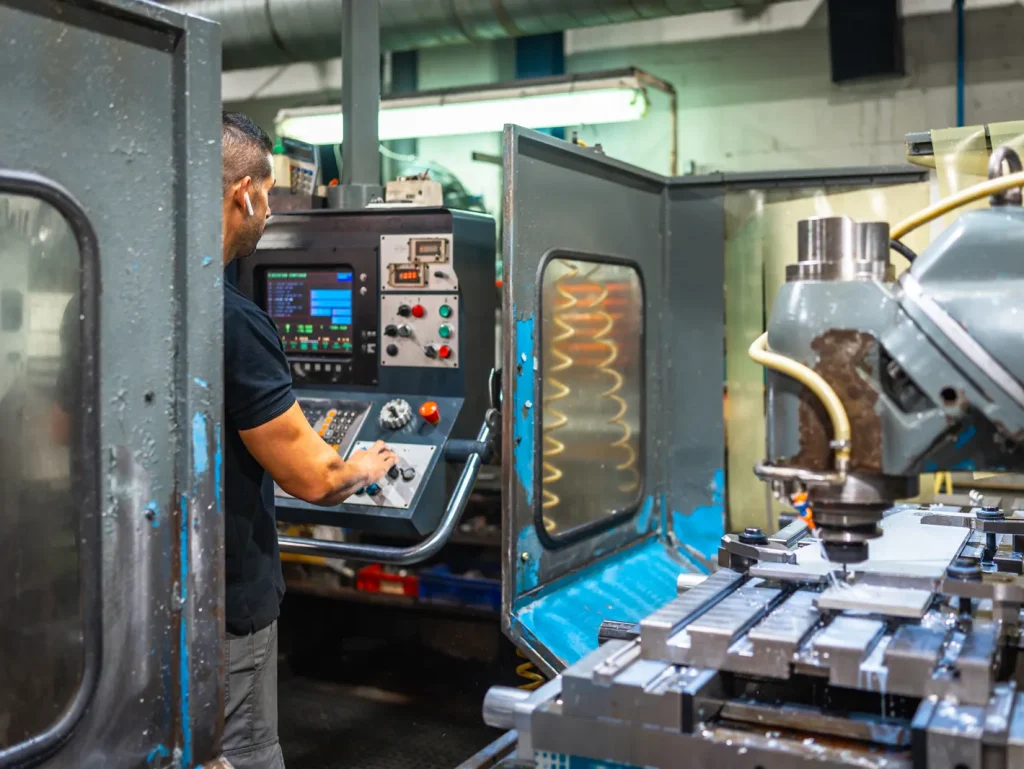
Understanding standard CNC machining tolerances is essential for designers, engineers, and procurement teams. Tolerances govern dimensional allowances for machined parts, directly impacting part fit, assembly performance, production cost, scrap rate, and machining company manufacturability. This guide breaks down types of tolerances in CNC, bilateral and unilateral tolerance types, ISO 2768 standards, GD&T principles, and realistic […]
High Speed CNC Milling Services: Online CNC Machining Service Guide
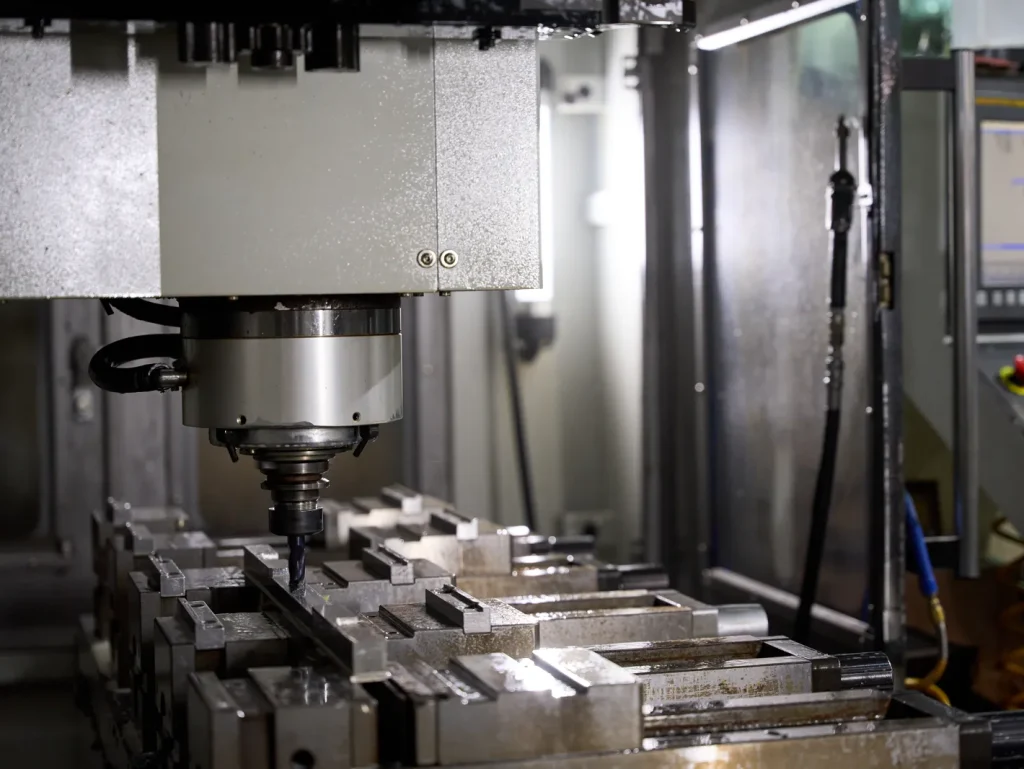
High speed CNC milling services are used when a part needs more than simple material removal. They are relevant when geometry, finish, cycle time, or repeatability affect whether a part can be made at all, or whether it can be made without high rework risk. For engineers and technical buyers, the main issue is not […]
CNC Machining Quote Guide: Pricing Factors, RFQ Requirements, and Supplier Comparison
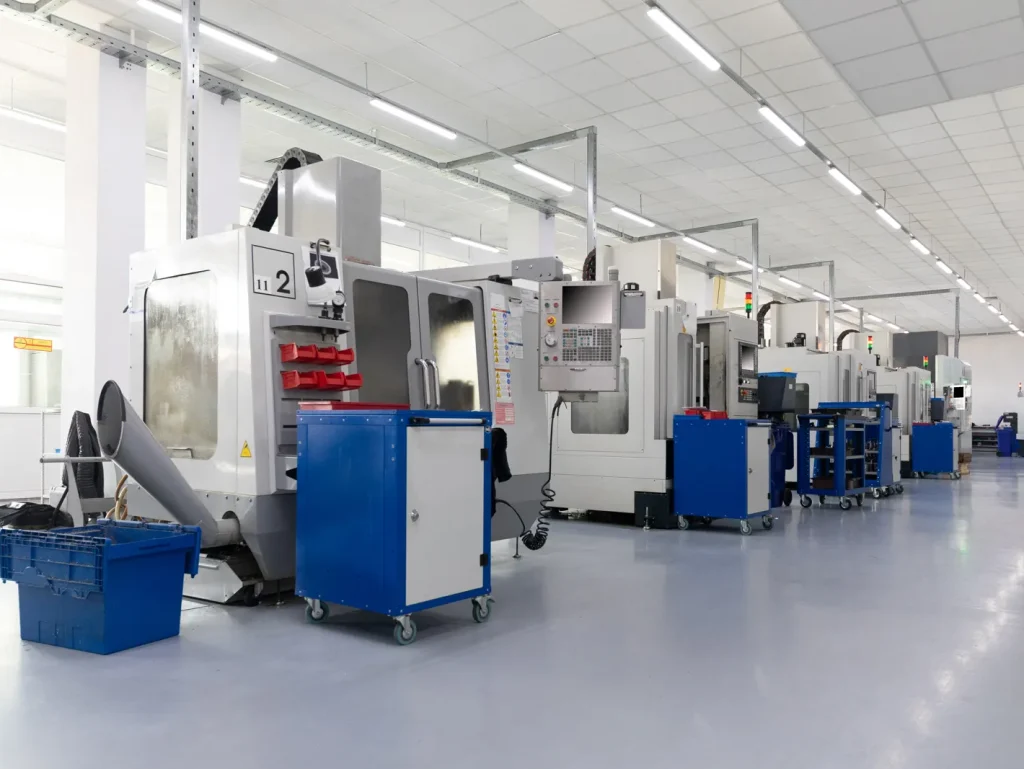
A CNC machining quote is not just a price for cutting metal or plastic. It is a technical and commercial judgment about whether a part can be made, how much risk is involved, and what information is missing. For engineers and buyers, the useful question is not only “What does this part cost?” but also […]
4-Axis CNC Milling Services: Precision CNC Machining for Complex Parts and Prototypes
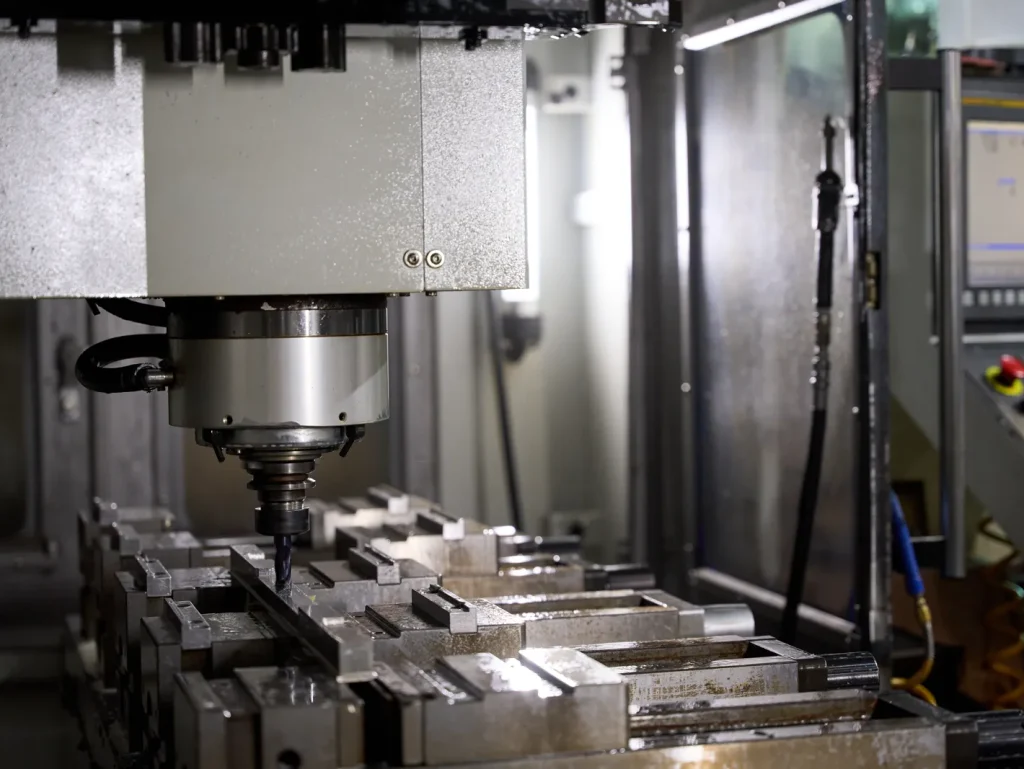
4-axis CNC milling services are used when a milled part needs machining on several faces, around a cylindrical surface, or at controlled angular positions without repeated manual repositioning. It is widely applied in both prototypes and production parts, depending on complexity and volume requirements. According to ISO manufacturing standard principles, standardized processes are essential for […]
Custom Copper CNC Machining Guide
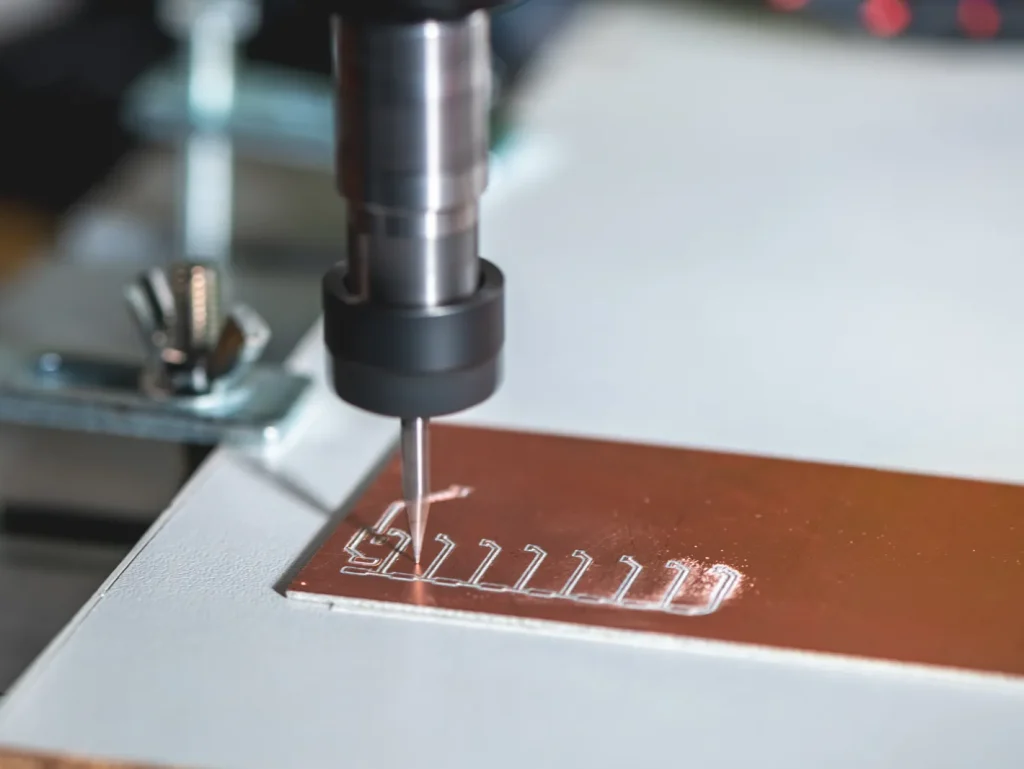
Custom copper CNC machining service is used when a copper part must combine geometry control with electrical or thermal performance. Typical parts include busbars, terminals, conductive blocks, electrical connectors, heat-transfer parts, and prototypes for electronics, aerospace, medical, and industrial equipment. According to ASTM B152/B152M, rolled copper sheet, strip, plate, and bar materials are commonly specified […]
CNC EDM Hole Drilling: Precision Drilling Machines Guide
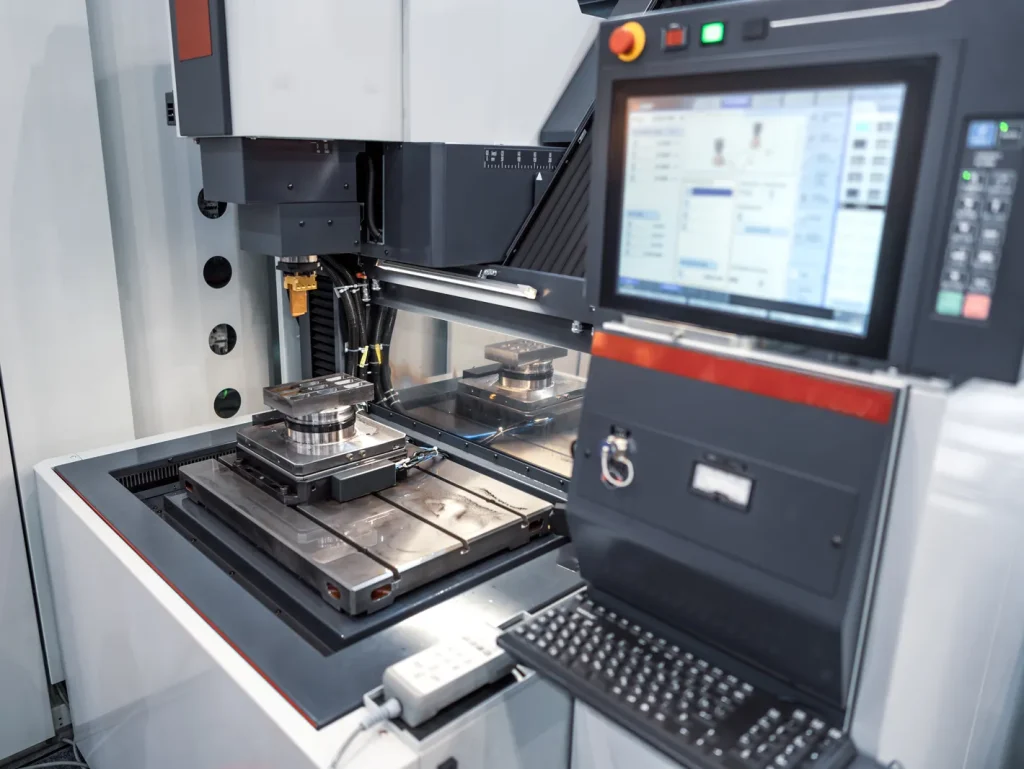
When machining tiny, deep, high-precision holes in hardened conductive metals like carbide, titanium, Inconel and hardened steel, conventional CNC drilling often struggles with tool breakage, deflection and poor positional accuracy. CNC EDM hole drilling machines deliver a reliable non-contact solution, removing material via spark erosion without mechanical cutting force. This guide breaks down how hole […]
Micro CNC Machining Services: A Guide to Precision Parts
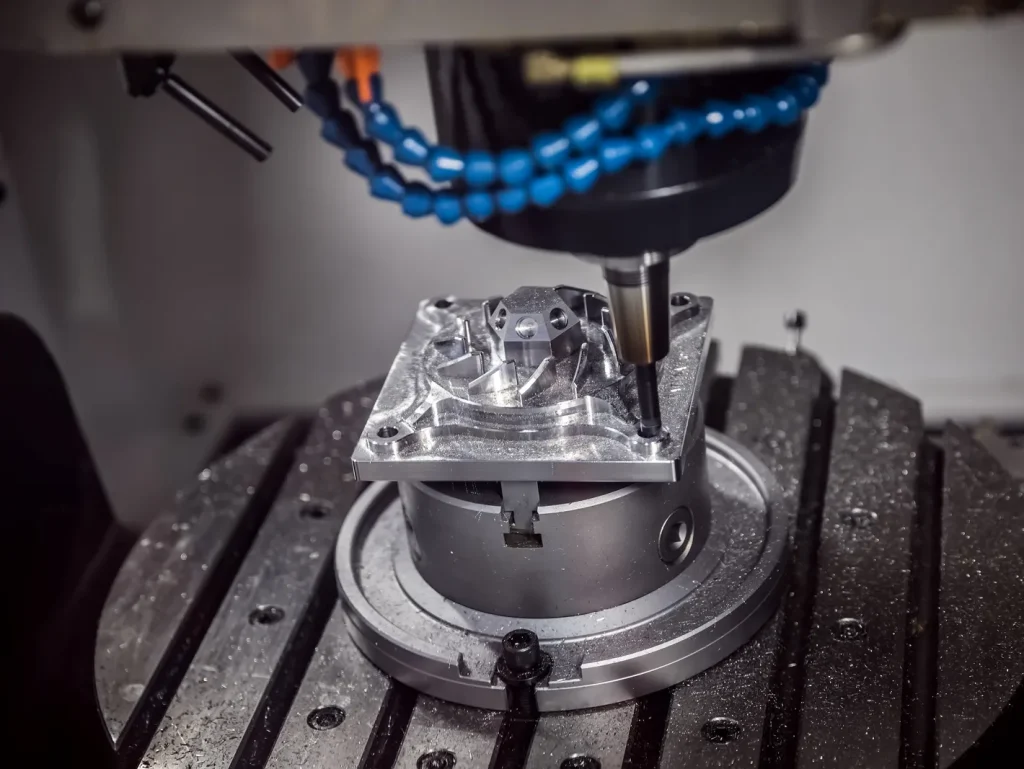
Micro CNC machining services are usually evaluated when a part is too small, too precise, or too difficult to measure with normal production assumptions. The core decision is not only whether the geometry can be cut. The larger question is whether the part can be manufactured repeatably, inspected with enough confidence, and justified by the […]
CNC Machining for Robotics: CNC Robotics Precision Robot Parts Guide
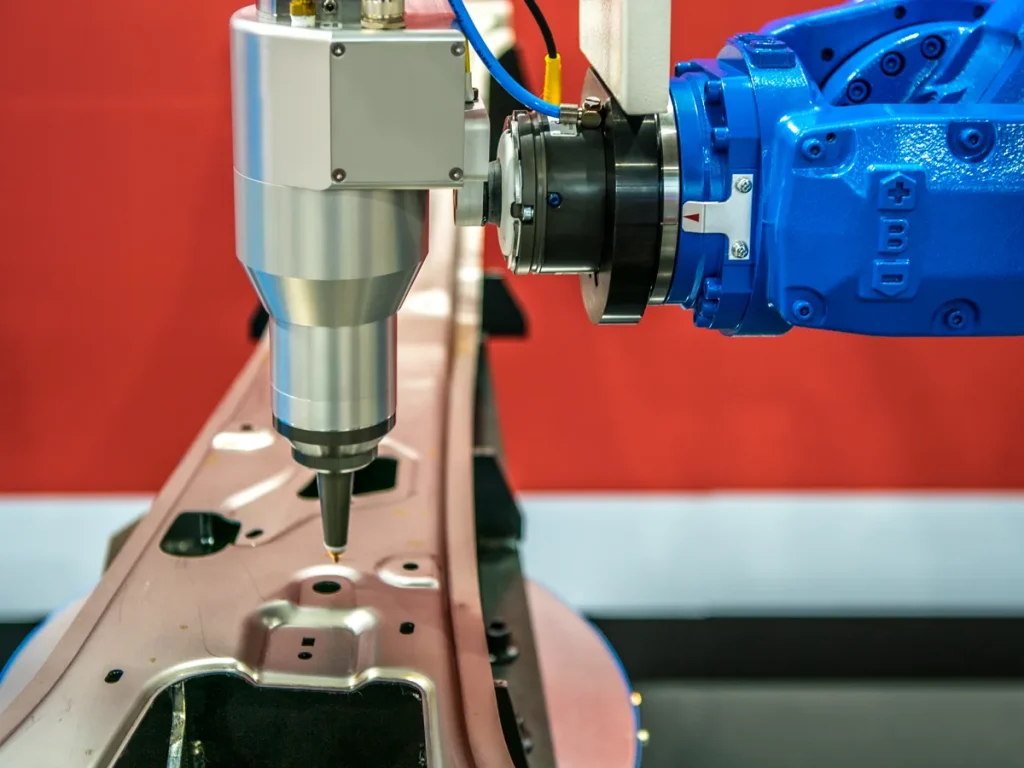
CNC machining for robotics is used when a robot part needs controlled geometry, repeatable fit, and material strength that can be difficult to achieve with lower-precision manufacturing methods. It is common for key machine parts including arms, joints, gears, housings, grippers, fixtures, and sensor mounts because these parts affect motion, stiffness, alignment, and assembly performance. […]

 English
  German
  French
  Italian
  Spanish
  Polish
  Czech
Czech  Japanese