
Custom Metal Stamping Services: Sheet Metal Stamping Guide
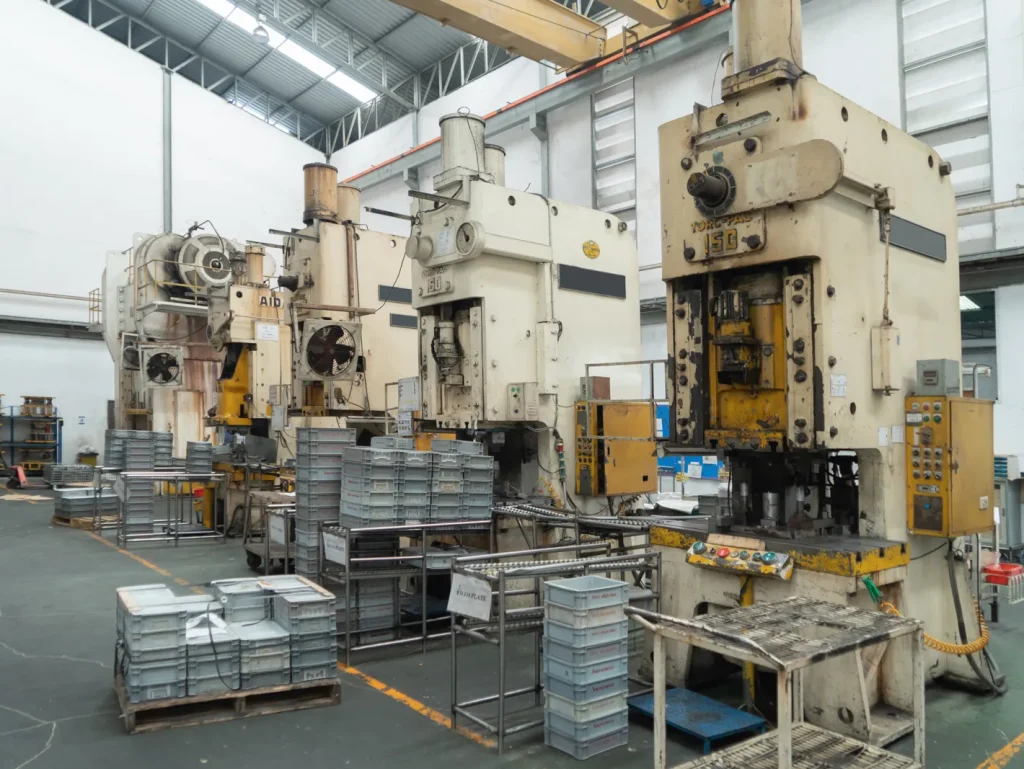
Custom metal stamping services are used when a metal part must be made repeatedly from sheet or coil stock with controlled geometry, stable quality, and practical unit cost at production volume. The process can be a good fit for precision metal brackets, clips, covers, panels, electrical contacts, reinforcements, drawn shells, and many formed components used […]
Precision CNC Grinding Services: A Guide to Surface Grinding Parts
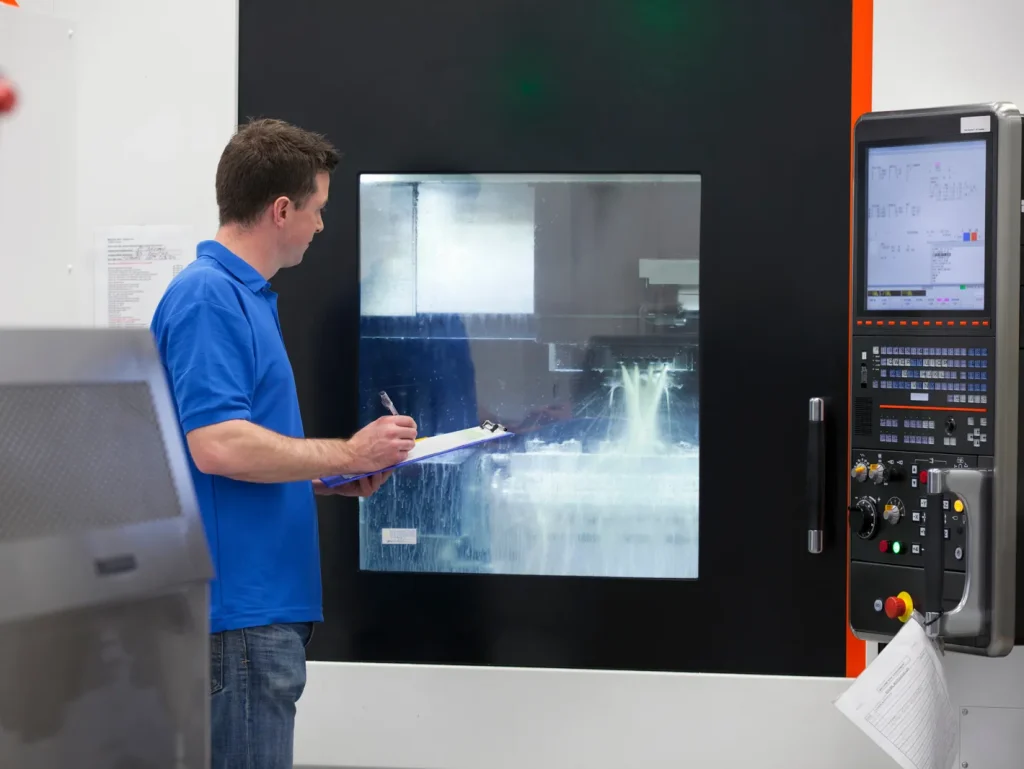
Precision CNC grinding services are usually considered when a machined part cannot meet its final tolerance, surface finish, flatness, roundness, or bore accuracy by milling or turning alone. The decision is rarely about whether grinding is “better.” It is about whether grinding is the right final process for a specific material, geometry, hardness level, and […]
CNC Machining Stainless Steel: 304 vs 316 Machining & Precision Parts Guide
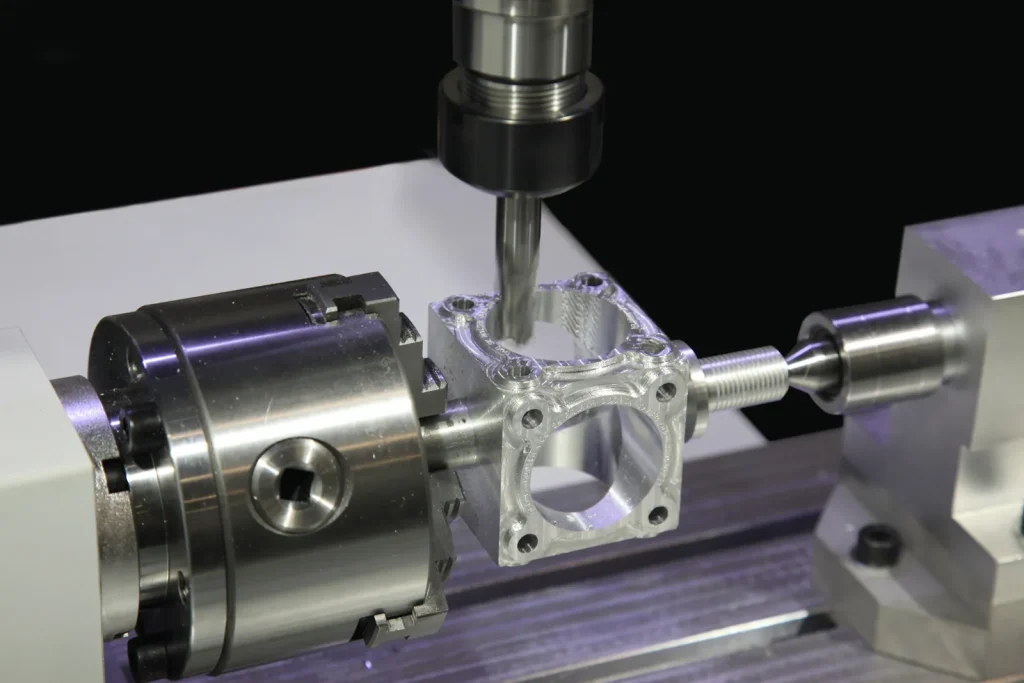
CNC machining stainless steel is a common choice when manufacturing high-quality corrosion resistant parts and steel components, combining excellent corrosion resistance, steel’s strength, wear life, and dimensional consistency. It is also a material family that can create production risk if the grade, geometry, tooling, coolant, and inspection plan are not matched early, following standardized manufacturing […]
Titanium CNC Turning Services: Titanium CNC Machining Guide
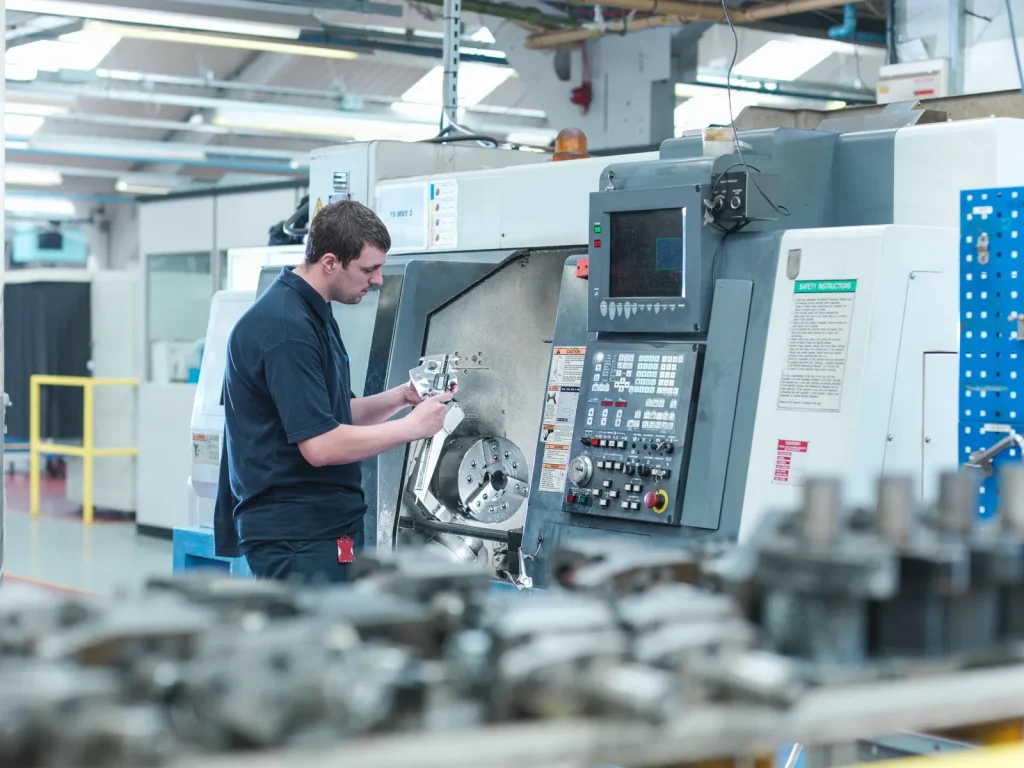
Titanium CNC turning is the go-to solution for manufacturing high-strength, lightweight, and corrosion-resistant rotational parts across aerospace, medical, automotive, and industrial sectors. Though valued for its unique properties and exceptional material traits, titanium is notoriously challenging to machine due to intense heat buildup, rapid tool wear, and strict tolerance demands. This guide breaks down the […]
Custom Aluminum CNC Milling: CNC Machining for Aluminum Parts
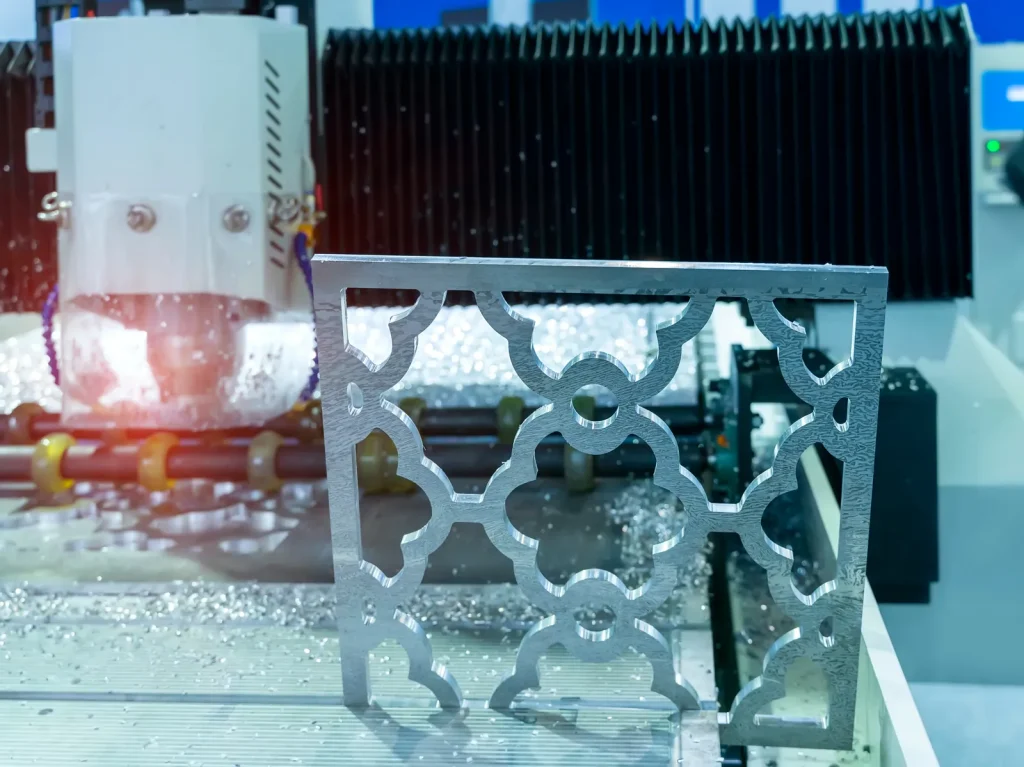
Custom aluminum CNC milling is used when a part needs a controlled shape, defined dimensions, and material properties that suit lightweight metal components. It is common in aircraft aerospace structures, EV battery parts, precision equipment, medical devices, fixtures, housings, brackets, heat-transfer parts, fuel system components and structural prototypes. The decision is rarely just “Can it […]
Precision Wire EDM Machining: An Ultimate Buyer’s Guide
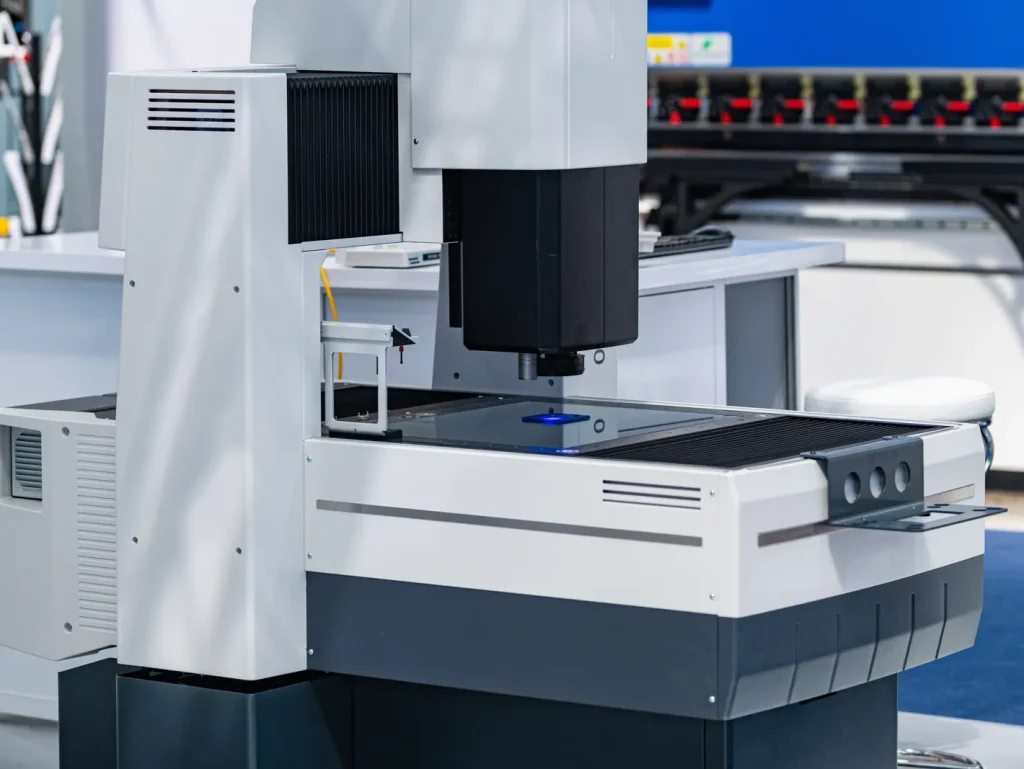
Precision wire EDM machining is often considered when a conductive part has tight tolerances, hard material, thin walls, narrow slots, or internal features that are difficult to mill. The decision is not only about whether wire EDM can cut the material. It is about whether the process can hold the required geometry, surface finish, corner […]
Medical Device Component Machining: CNC Titanium Bone Plates & Spinal Parts
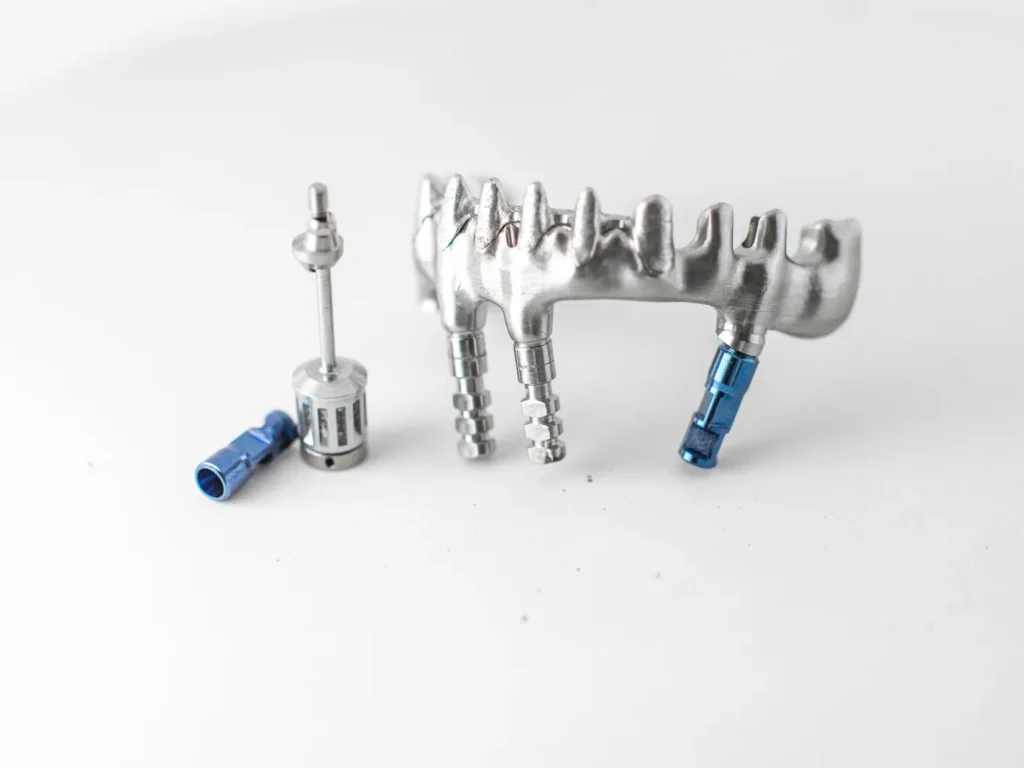
Medical device component machining is a core manufacturing decision within the medical field, with direct effects on part function, inspection burden, regulatory documentation, and production risk for medical equipment, ventilator components and prosthetic devices. For an engineer or technical buyer, the main question is not simply whether a part can be cut on CNC machines. […]
Aerospace CNC Machining Services AS9100 Certified Aero Components
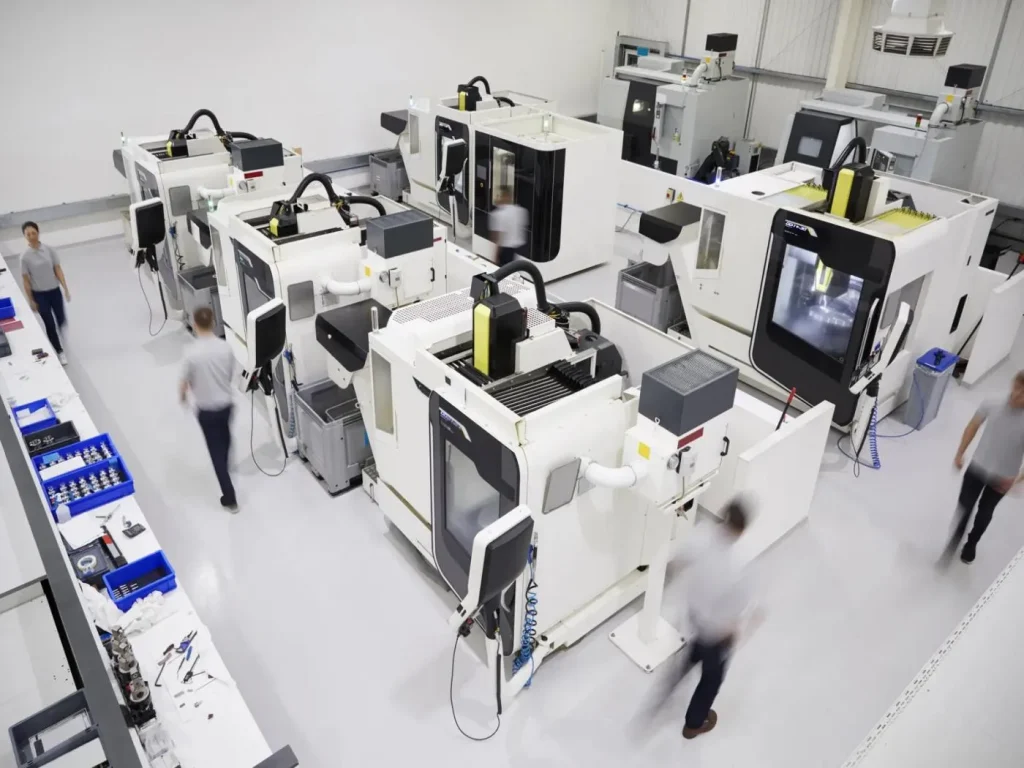
As leading precision cnc machining services and services for aerospace, Aerospace CNC machining services are used when a part must meet strict geometry, material, inspection, and documentation requirements. The buyer is not only purchasing a machined component. The buyer is also taking on supplier risk, process risk, and compliance risk. For engineers and technical buyers, […]
Refractory Metals Machining: Manufacturing Parts Complete Guide
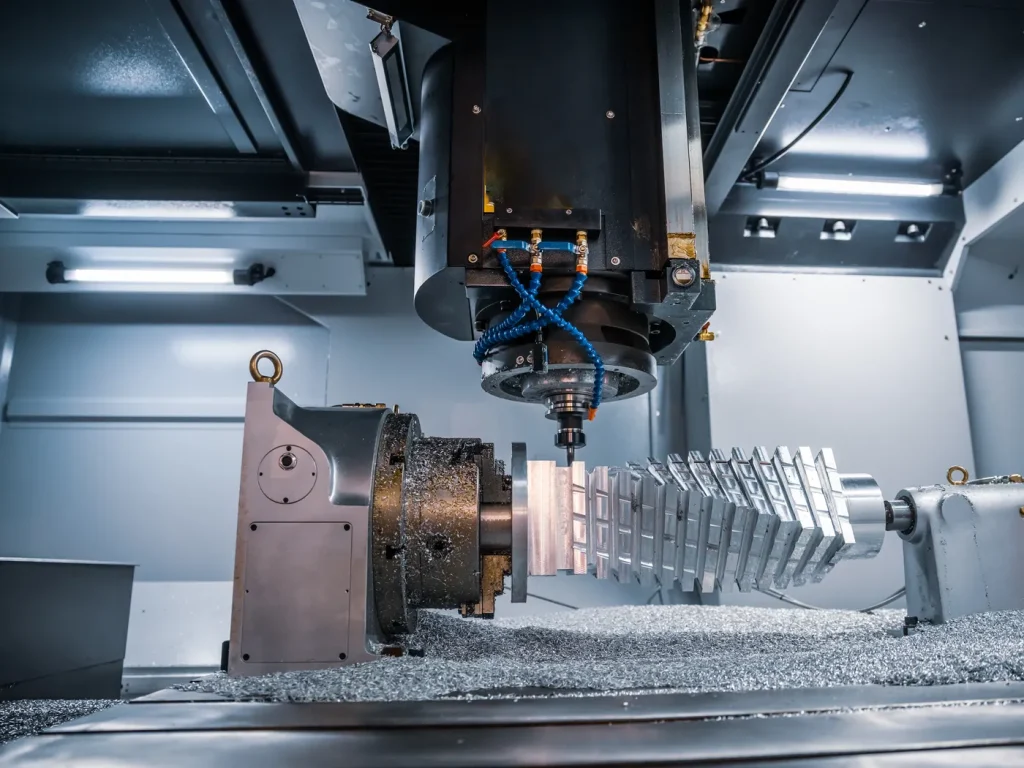
Refractory metals machining covers the cutting, grinding, electrical discharge machining, and near-net-shape processing of metals that keep useful strength at very high temperatures. In manufacturing, the term usually refers to tungsten, molybdenum, tantalum, niobium, and rhenium. These metals are selected because ordinary engineering alloys may soften, distort, oxidize, or fail in severe thermal or vacuum […]
Magnesium CNC Machining: CNC Machining Service & Technical Guide
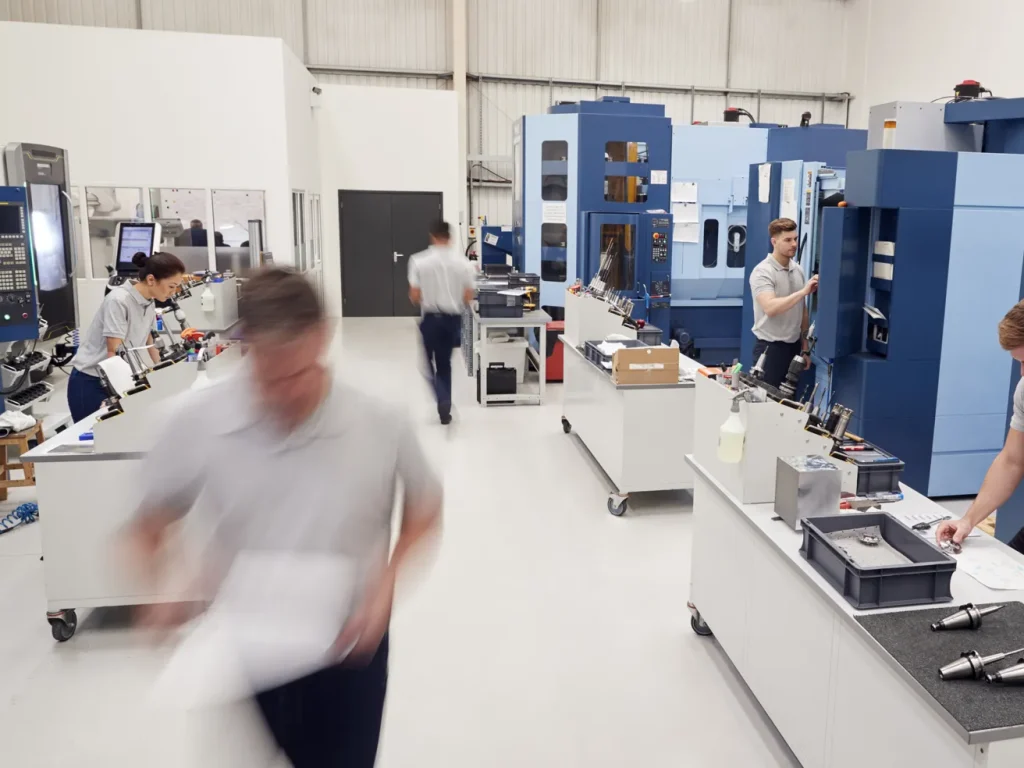
As engineers and designers push for lighter, higher-performance components across aerospace, UAV, automotive, and electronics industries, magnesium has emerged as a compelling alternative to standard aluminum and steel. Boasting ultra-low density, excellent machinability, natural vibration damping, and reliable thermal and electromagnetic shielding properties, magnesium alloys deliver unmatched weight-saving benefits for precision CNC parts. Yet this […]

 English
  German
  French
  Italian
  Spanish
  Polish
  Czech
Czech  Japanese