
Alu Cast Metal: A Complete Guide to Aluminum Casting
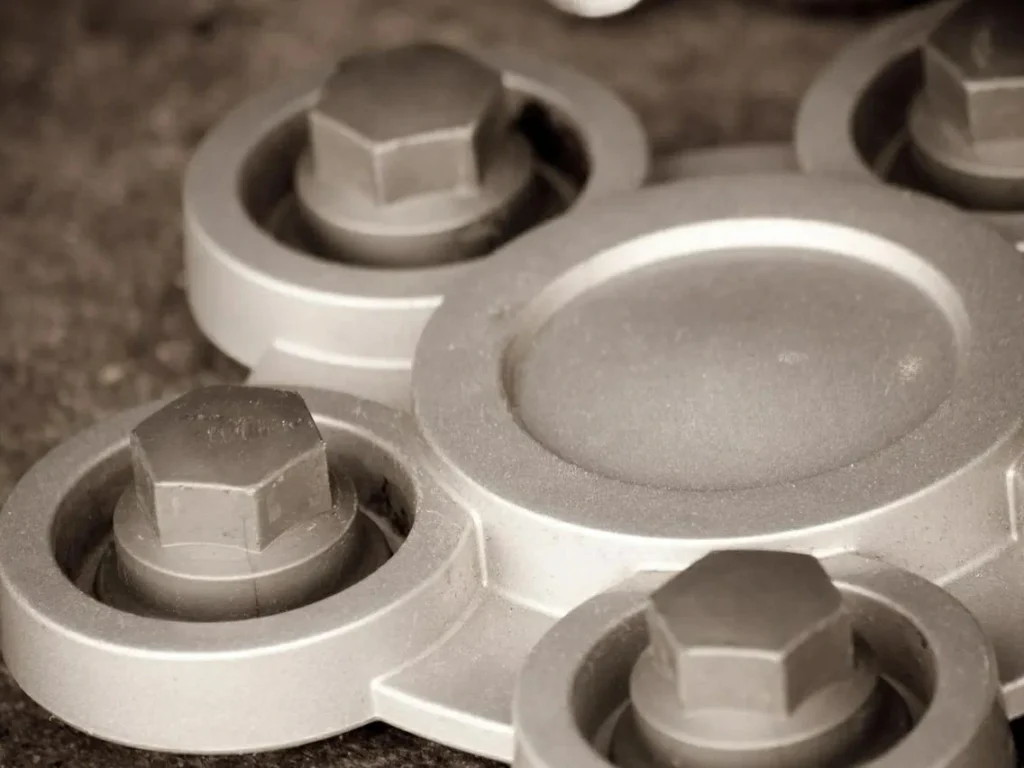
This guide serves as an introduction to aluminum casting and covers everything you need to know about alu cast metal and aluminum metal casting, from its basic definition and key differences from wrought aluminum to alloy selection, casting processes, machining considerations, and real-world applications. It provides practical engineering insights to help you evaluate, specify, and […]
Nut Bolt: A Complete Guide to Different Types of Nuts and Bolts
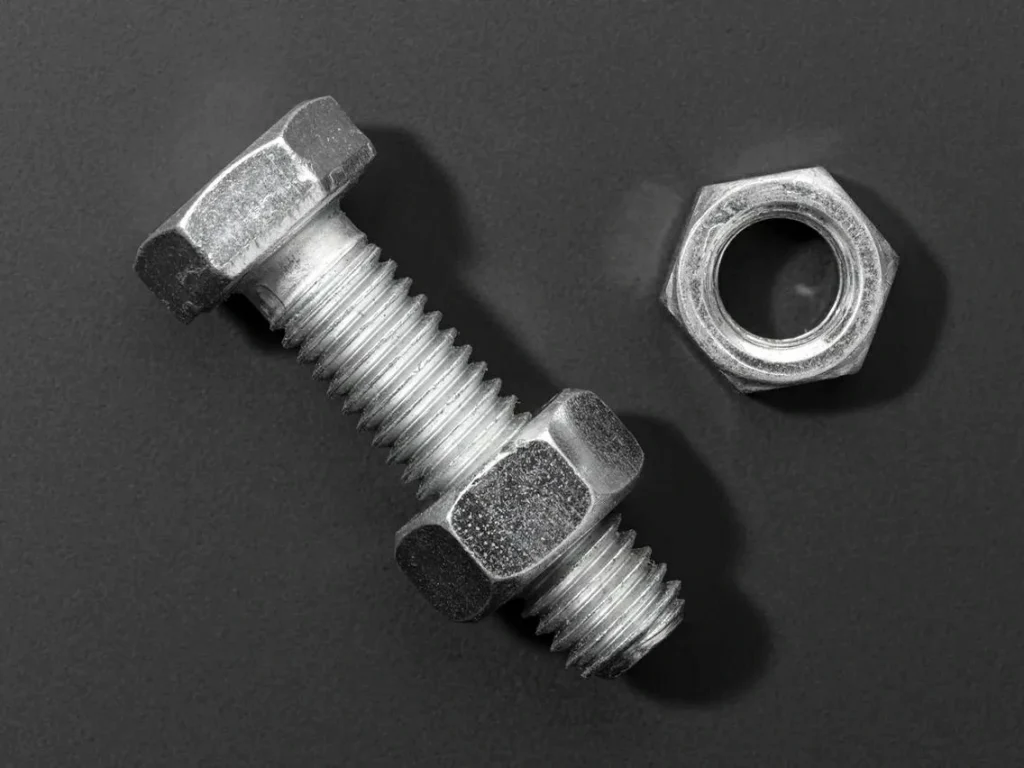
Threaded fasteners are among the most widely used components in mechanical and industrial assemblies. Understanding how nuts and bolts work together, how to match them correctly, and how to avoid common compatibility issues is essential for reliable, long‑lasting joints. This guide covers key definitions, sizing standards, material choices, failure modes, and best practices for selecting […]
Magnesium vs Aluminum: How to Choose for Your Machines?
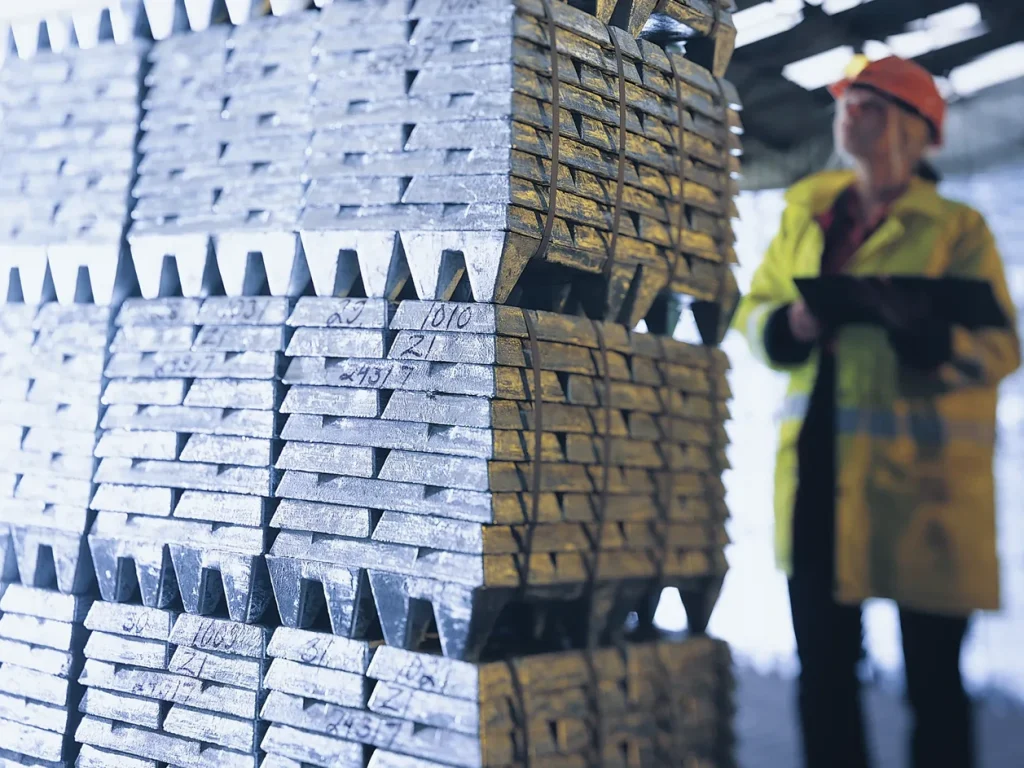
This guide breaks down the practical differences between magnesium and aluminum from a design and manufacturing perspective. It focuses on real engineering tradeoffs rather than generic material comparisons. Magnesium vs Aluminum at a glance Choosing between magnesium vs aluminum is rarely a simple material comparison. In practice, the decision sits between mass reduction, required strength, […]
Aluminum Stamping: The Aluminum Metal Stamping Process Guide
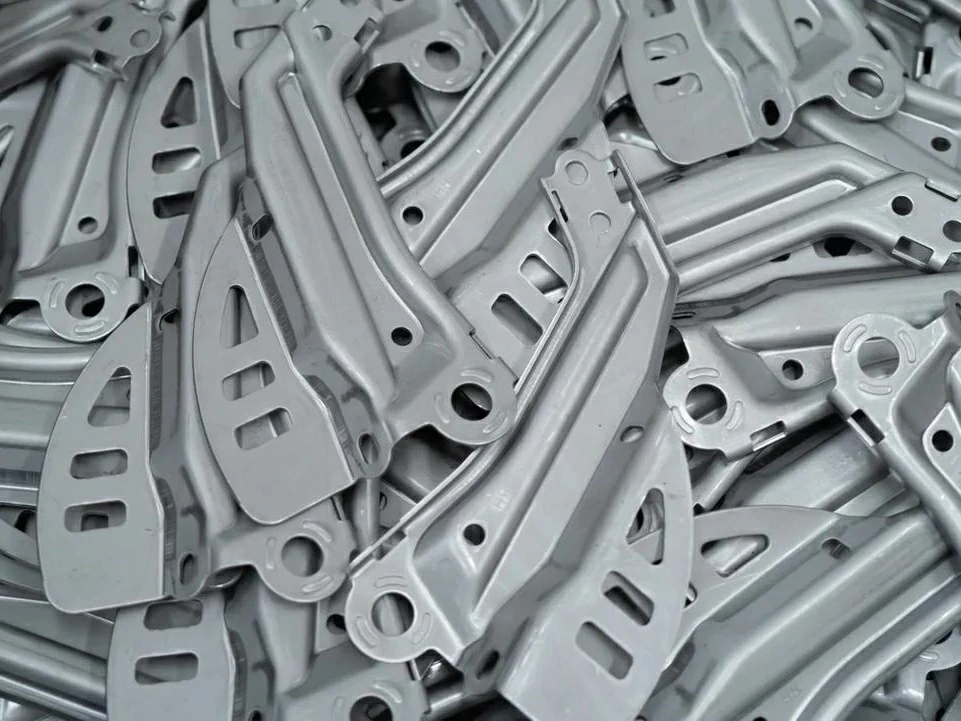
This guide covers the fundamentals of aluminum stamping, from core process principles and material suitability to design rules, tooling logic, and real-world application considerations. It breaks down when stamping is the optimal manufacturing choice, how to select alloys effectively, and what factors determine consistent, cost-effective production for sheet aluminum components. What Is Aluminum Stamping and […]
Alloy Steel vs Stainless Steel Guide: Which Fits Your Manufacturing?
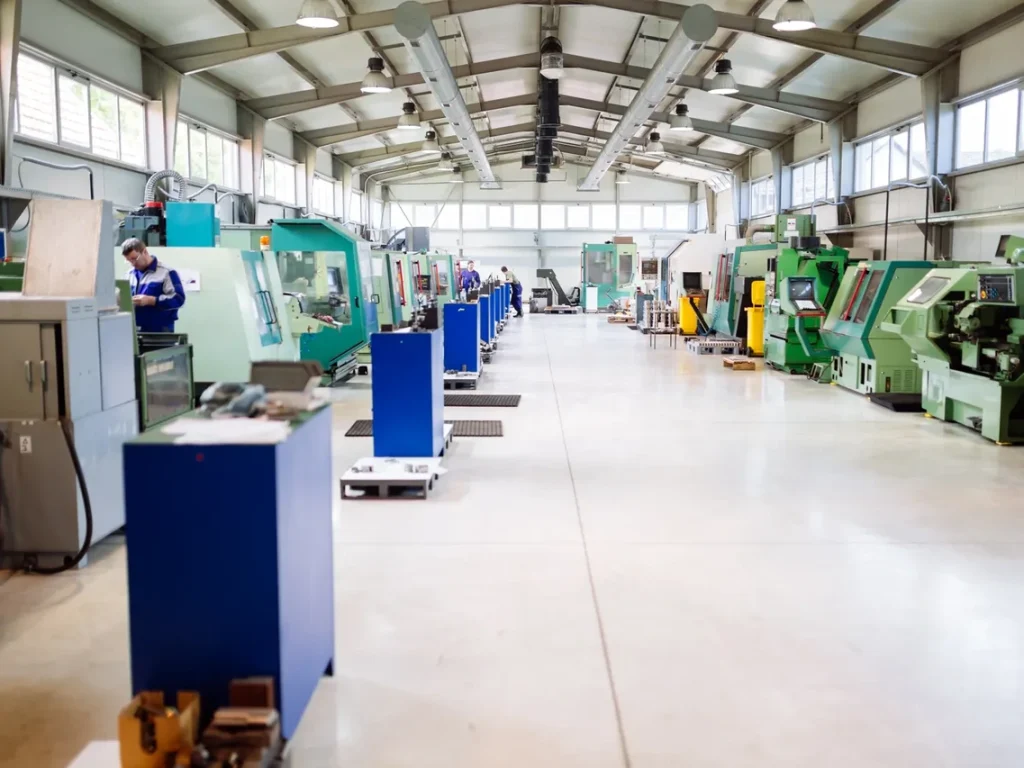
When comparing engineering materials, the difference between alloy steel and stainless steel is often oversimplified as strength versus corrosion resistance. In reality, the decision is more nuanced and depends on how a material performs across the full lifecycle of a part—from machining and fabrication to service environment and maintenance. This guide breaks down alloy steel […]
4140 Yield: Property Guide for AISI 4140 Alloy Steel
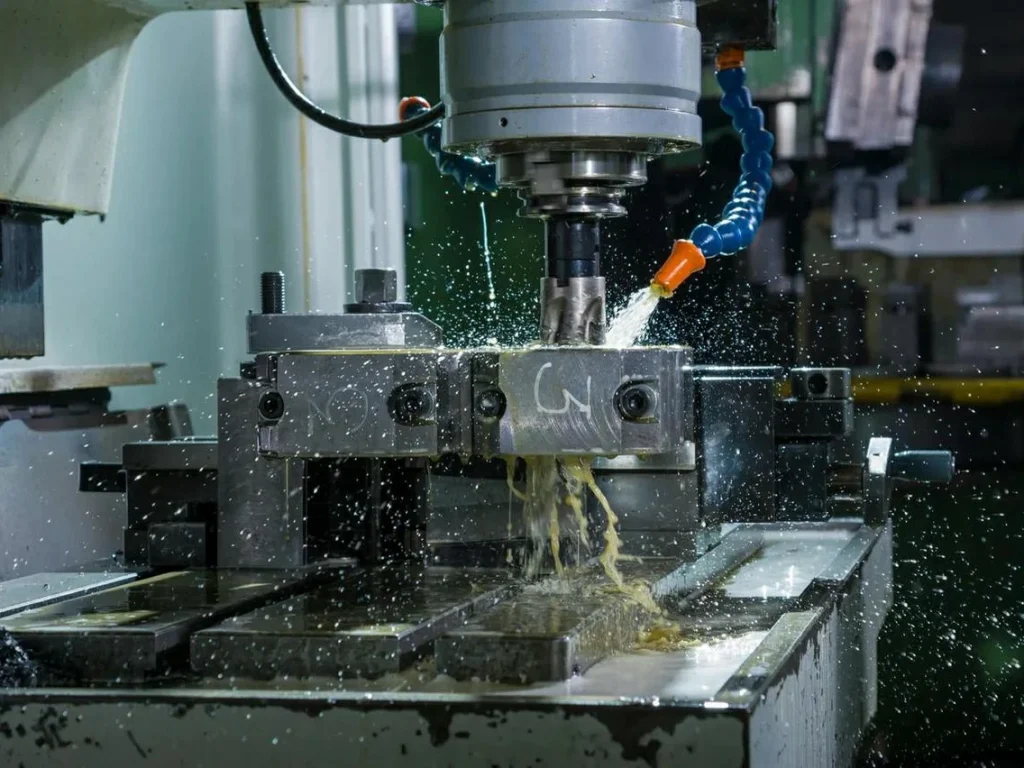
Yield strength is one of the most critical mechanical properties for designing with AISI 4140 alloy steel, as it defines the load threshold beyond which permanent deformation occurs. This guide outlines typical yield values for common heat-treated conditions, explains why properties vary by supply and processing, and provides practical verification steps to ensure safe, reliable […]
Brass vs Bronze for CNC Machining: Key Differences, Precision Performance & Material Selection
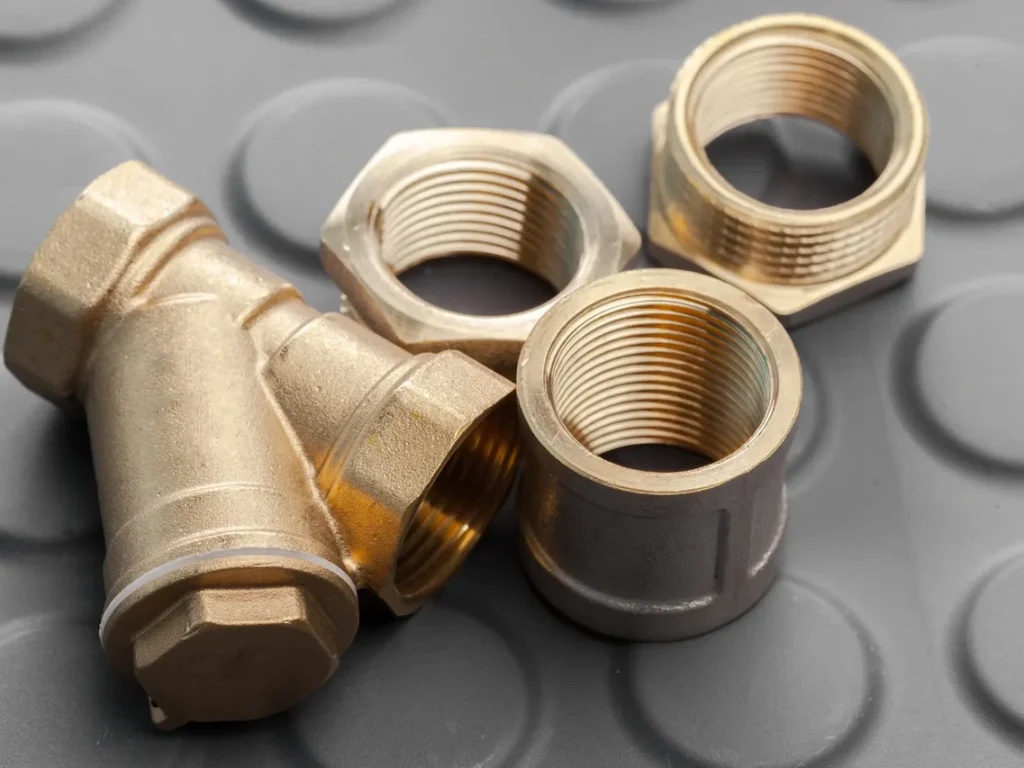
Choosing between bronze and brass for CNC machining isn’t about picking the “better” metal—it’s about matching the material for your CNC job to real performance needs. Both are copper alloys, but they behave very differently on the machine and in service. Brass shines in high-volume, precision parts with thin walls or fine cosmetic finishes, offering […]
Titanium vs Stainless Steel Machining: Which Metal is Better for Your CNC Machining Project?
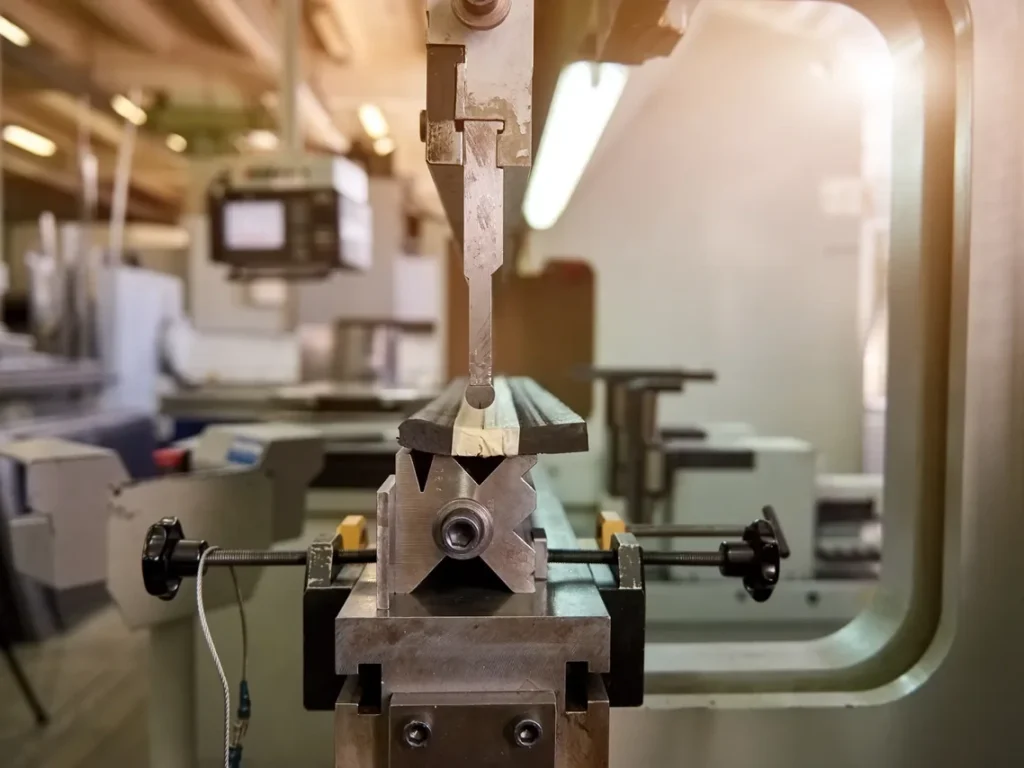
Choosing between titanium and stainless steel is rarely a simple material comparison. In machining, the same part geometry can behave very differently once the cutter meets the workpiece. Heat, chip control, tool life, cycle time, surface finish, and scrap risk all change. So the real question is not only which metal has better properties on […]
Sheet Metal vs CNC Machining: Fabrication & Machining Guide
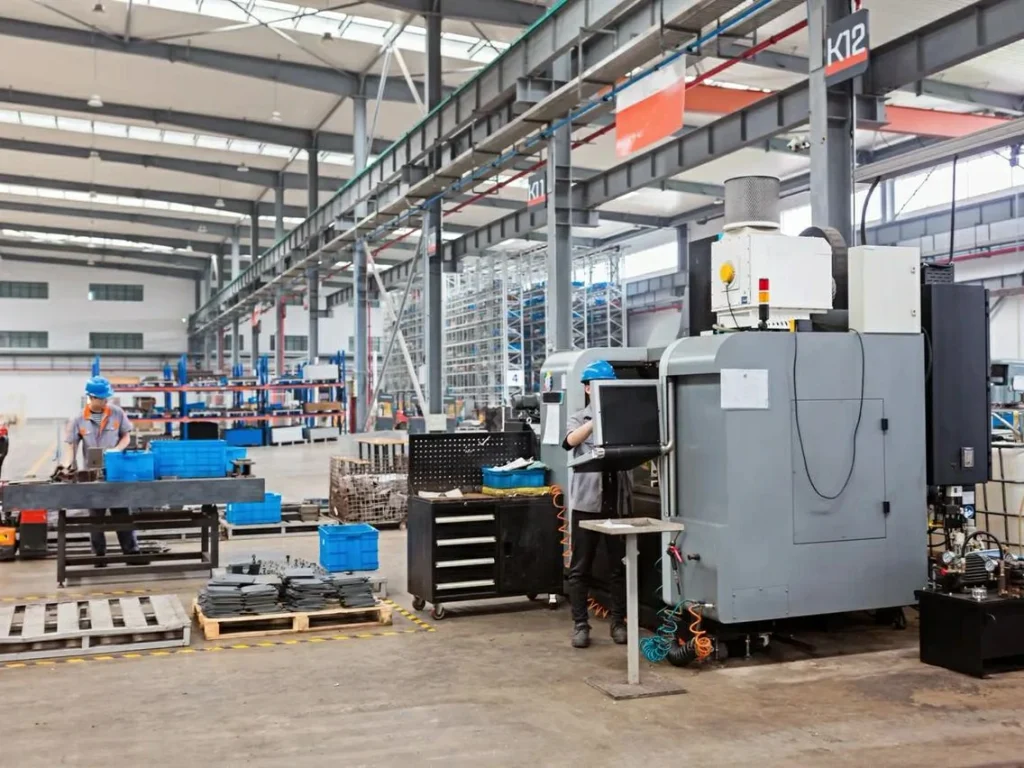
Selecting between sheet metal fabrication and CNC machining is a foundational decision for custom metal part design and manufacturing—one that shapes part performance, cost efficiency, and production scalability. Far more than a simple cost comparison, this choice hinges on aligning manufacturing processes with a part’s core geometry, tolerance needs, functional requirements, and production volume. What […]
3D Printing vs CNC Machining: Prototype Manufacturing
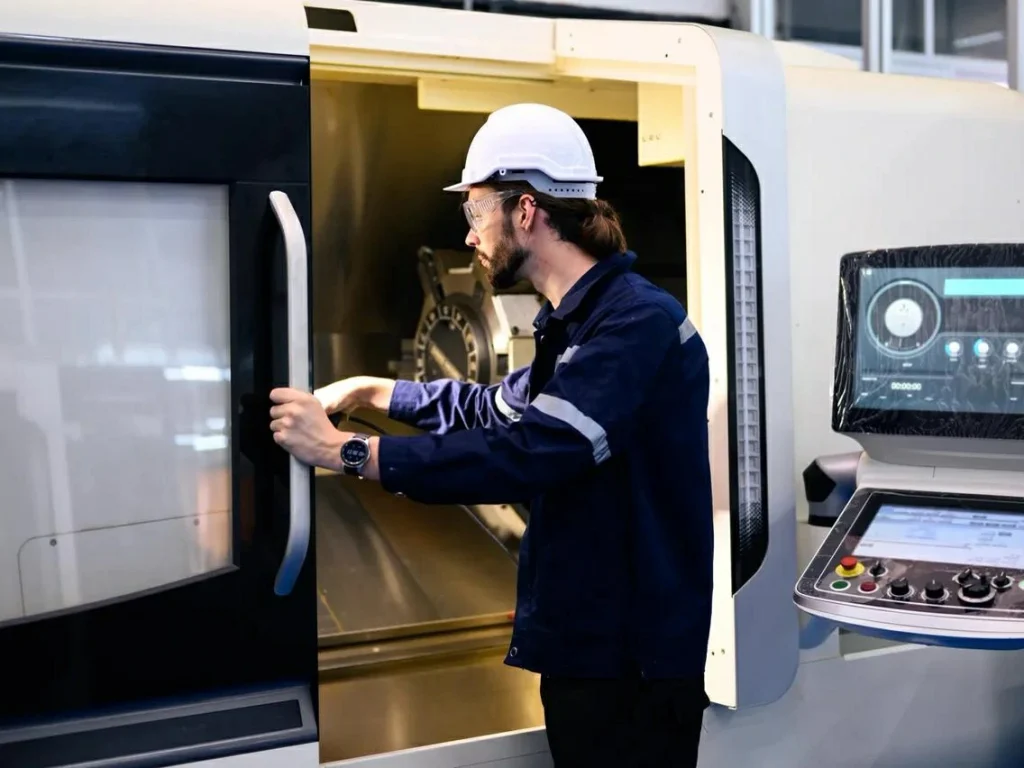
In the realm of prototype manufacturing, selecting the optimal production method is a critical decision that directly impacts the success of product development cycles. Two technologies stand out as the most widely used and reliable options: 3D printing and CNC machining. While both are capable of producing high-quality prototypes for plastic and metal components, they […]

 English
  German
  French
  Italian
  Spanish
  Polish
  Czech
Czech  Japanese