
This guide serves as an introduction to aluminum casting and covers everything you need to know about alu cast metal and aluminum metal casting, from its basic definition and key differences from wrought aluminum to alloy selection, casting processes, machining considerations, and real-world applications. It provides practical engineering insights to help you evaluate, specify, and implement aluminum cast components effectively in production.
What alu cast metal is and why it matters
Understanding cast aluminum starts with clarifying its basic definition and how it differs from wrought aluminum. These differences directly shape design choices, machining strategies, and in-service performance across industrial applications.
What is cast aluminum, and how is it different from wrought aluminum?
In manufacturing, alu cast metal usually means aluminum casting involves pouring molten aluminum or injecting it into a mold, then allowed to solidify into the target shape. This is different from wrought aluminum, which is shaped in the solid state by rolling, extrusion, forging, or drawing.
That difference matters because casting and wrought processing create different internal structures, design limits, and finishing needs. Casting is a highly versatile process, so cast aluminum can produce shapes that would be difficult or costly to machine from plate, bar, or extrusion. Internal cavities, ribbing, bosses, and near-net geometry are often easier to form in a casting. On the other hand, wrought products usually have a more controlled and directional structure, which can help when high ductility, predictable fatigue behavior, or very tight dimensional control is needed.
To put it simply, cast aluminum is often chosen when shape complexity and part consolidation matter. Wrought aluminum is often chosen when the part is simple enough to machine or when the mechanical property profile of wrought stock is a better fit.
A common source of confusion is alloy naming. Some familiar wrought alloys, such as 6061, are widely used for machining and welded structures, but they are not generally treated as the standard answer when discussing aluminum alloys in casting. In practice, castings are usually specified with alloys developed for foundry processing rather than with common wrought grades.
Cast aluminium vs aluminium: when the distinction affects design, machining, and service life
The phrase cast aluminium vs aluminium sounds simple, but in engineering it is really a comparison between cast and wrought forms of the same base metal family. The distinction affects design in three main ways: geometry freedom, defect risk, and post-processing behavior.
From a design view, cast forms allow more shape freedom. Thin walls blended into ribs, pockets, and mounting features can often be integrated into one part. That can reduce assembly count. But this freedom comes with process limits. Wall transitions, isolated heavy sections, and poor feed paths can increase shrinkage and porosity risk. So the shape must be designed for solidification, not just function.
From a machining view, castings can save stock removal, but machining behavior is less uniform than with wrought plate or bar. Variable microstructure, skin hardness differences, and hidden porosity can affect drilling, tapping, thread quality, and final surface condition. This is one reason that critical datums and sealing surfaces are often left for secondary machining.
From a service-life view, cast components can perform very well when the alloy, casting route, and quality controls are matched to the application. But defects matter more in castings because they may act as crack starters, leak paths, or weak zones. The key point is that “aluminum” is not enough as a material callout. The product form and process route are part of the engineering decision.
Properties of cast aluminum that influence engineering decisions
The properties of cast aluminum that matter most are not just basic material values. For selection, engineers usually look at a group of linked behaviors.
Low density and corrosion resistance of aluminum are two of the main drivers for casting selection. It supports weight reduction in housings, covers, brackets, pump bodies, and transport parts. Among the diverse casting options available, castability is another major benefit of aluminum. Aluminum can fill complex molds and support near-net shapes in several casting methods.
Corrosion performance depends on alloy, environment, surface condition, and contact with other metals. Chlorides, galvanic coupling, coating damage, trapped moisture, and aggressive pH conditions can change service results significantly, so corrosion suitability should be reviewed for the actual assembly and exposure. Do not treat cast aluminum as uniformly corrosion-resistant across all industrial conditions.
At the same time, engineering decisions must account for limits. Cast aluminum may contain porosity, inclusions, or local structure variation. Surface condition depends strongly on mold type and process control. Repair options may be limited by defect type, alloy chemistry, and service requirements. Mechanical performance of aluminum can also vary more than in wrought stock if the casting process is not tightly controlled.
So when a buyer asks whether cast aluminum is good quality, the practical answer is that quality depends less on the word “cast” and more on alloy choice, process, part design, and inspection discipline.
Table: Common aluminum alloys in casting and their typical decision factors
| Alloy family / designation style | Typical reason for use | Main decision factors to check | Common caution areas |
|---|---|---|---|
| Silicon-containing cast aluminum alloys | Good castability and common use in complex shapes | Fluidity, shrinkage behavior, machinability, pressure tightness needs | Porosity sensitivity, welding limits, property variation by section size |
| Aluminum-magnesium cast alloys | Corrosion-related applications and some marine or outdoor uses | Corrosion exposure, weldability needs, finishing route | Casting difficulty may be higher than easier-flowing alloys |
| Aluminum-copper cast alloys | Applications where higher strength may be sought | Strength target, heat treatment route, service environment | Corrosion behavior may need closer review |
| Heat-treatable cast alloys | When a property upgrade after casting is needed | Heat treatment control, distortion risk, final machining plan | Added process time and dimensional change after heat treatment |
| General-purpose foundry alloys | Broad use in housings, covers, and equipment parts | Availability, cost balance, process fit, foundry experience | May not fit demanding structural or pressure-retaining duty without validation |
Cast alloy naming should be tied to foundry specifications, not confused with wrought grades such as 6061. Buyers should ask for the actual cast alloy designation and condition because cast families such as Al-Si alloys are selected for fluidity, feeding behavior, heat treatment response, and machining behavior. If drawings, quotes, and inspection records use different naming systems, require the supplier to map them to one controlled material callout before approval.
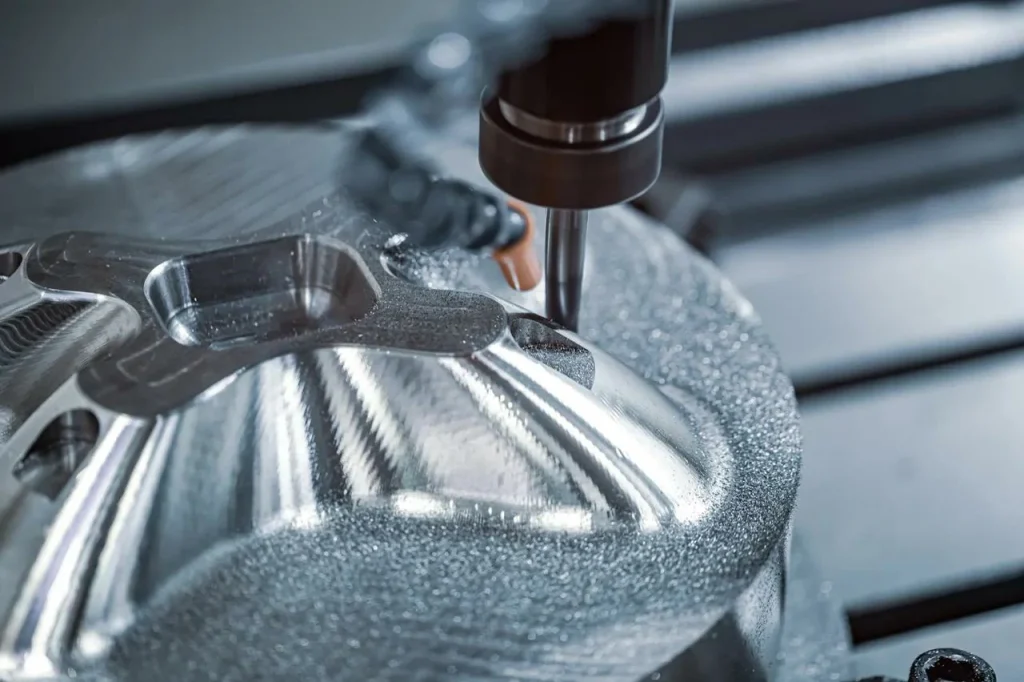
Can alu cast metal be manufactured for your part?
Before moving into process selection, alloy behavior, secondary operations, and design screening, it is critical to understand how each element interacts to determine whether your component fits an aluminum casting project.
How to choose the right aluminum casting method for geometry, volume, and quality targets
Process choice across different casting methods should be based on feature complexity, production stage, machining burden, and defect sensitivity. Sand casting is usually more tolerant of larger parts and design changes, while processes such as investment casting, permanent mold, and die casting are chosen when repeatability, finer detail, or higher production efficiency justify tighter process control and tooling commitment. If the part needs pressure retention, fatigue resistance, or extensive heat treatment, treat process selection as a risk decision, not only a shape decision.
Sand casting is usually considered when the part is larger, lower in volume, or still changing during development. Tooling is less demanding than permanent tooling routes, and complex cavities can be formed with cores. The trade-off is that surface finish and dimensional consistency are usually less refined than with harder tooling methods.
Investment casting is often considered to produce aluminum parts with precision for smaller, more detailed geometry where finer shape definition matters. If the design has intricate passages or fine external detail, investment casting may reduce later machining. But the process route can be more sensitive to cost and handling complexity.
Permanent mold casting sits between lower-cost expendable molds and high-rate die casting. It is often useful when repeatability, better surface condition, and moderate production volume are needed without moving to the highest tooling investment.
Die casting relies on specialized casting equipment and is usually selected for high production rates and thin-wall capability, especially for non-ferrous alloys. It can produce good repeatability and fine external features. But trapped gas, die design limits, and alloy constraints may affect welding, heat treatment, and pressure performance.
A feasible process is not just the one that can make the shape once. It is the one that can make it repeatedly, with acceptable defect risk and a practical inspection plan.
Different aluminum alloys and the impact of aluminum alloy selection on casting performance
The impact of various aluminum alloys and use of aluminum alloys on casting performance is significant because alloy chemistry affects melt behavior, fluidity, feeding, hot tearing tendency, corrosion behavior, machinability, and weld response.
Heat treatment changes more than strength. It can also change distortion risk, residual stress, dimensional stability after machining, and the balance between hardness and machinability, so the required condition must match both service load and finishing plan. If a casting will be machined on critical features after heat treatment, the drawing and routing should define that sequence explicitly.
Casting processes are tailored to part function, so alloy choice should be closely linked to service requirements. For example, a housing that needs dimensional stability and machinable sealing surfaces may not use the same alloy logic as a decorative cover, a fluid body, or a structural support. If post-cast welding, impregnation, anodizing, heat treatment, or extensive machining is planned, the alloy decision should be made with those steps in mind from the start.
This is also where confusion about “best aluminum” causes mistakes. There is no universal best alloy. Selecting the right aluminum alloy is the practical choice that balances castability, service conditions, and secondary operations with the least process risk.
Can you weld cast aluminium after casting or repair, and what limits feasibility?
Can you weld cast aluminium is a valid manufacturing question because many buyers assume repair welding is always available. In practice, feasibility depends on alloy type, defect type, location, contamination level, and service duty.
Cast aluminum can sometimes be welded for repair or modification, but not every casting is a good welding candidate. Porosity near the weld zone can release gas during welding and create poor fusion or new voids. Oil, oxide, and embedded contaminants also make repair difficult. Some cast alloys are much more weld-friendly than others. A casting that has seen service may be even harder to weld because of absorbed contamination or crack growth around the defect.
The design issue is just as important as the metallurgy. If the repaired area is highly stressed, pressure-tight, or needed for fatigue life, welding may not restore the same confidence level as a sound original casting. For low-stress cosmetic or non-critical areas, repair may be acceptable under a controlled procedure. For critical service, the buyer should confirm whether weld repair is allowed, how it is inspected, and whether the alloy and process route support it.
So the answer is not simply yes or no. Welding castings is often possible, but it is not always feasible in a way that preserves function and quality.
Checklist: Feasibility screening for wall thickness, undercuts, cores, and post-processing
Before moving into quotation or tooling review, a buyer should screen the design for basic casting fit:
| Feasibility area | What to review | Why it matters |
|---|---|---|
| Wall thickness distribution | Avoid sudden heavy-to-thin transitions | Reduces shrinkage and hot spot risk |
| Undercuts | Check if they require split tooling, slides, or cores | Adds tooling complexity and defect opportunity |
| Core use | Review internal passages and core support | Affects dimensional risk, cleaning, and yield |
| Draft and release | Confirm the geometry can leave the mold or die | Prevents damage and reduces tooling wear |
| Machining stock | Leave enough material on critical faces | Helps remove casting skin and correct variation |
| Threaded features | Decide whether threads are cast or machined | Machined threads are often more reliable |
| Sealing surfaces | Plan secondary machining and flatness control | As-cast surfaces are often not enough |
| Heat treatment and finishing | Check distortion, masking, or surface prep needs | These steps can change tolerance and cost |
Guide to aluminum casting: how the process works
This section breaks down the full aluminum casting workflow and outlines key process steps from initial melting to final machining. It also compares common casting methods and reviews factors that shape surface quality in finished cast parts.
Process diagram: From melt preparation to mold filling, solidification, and finishing
A basic guide to aluminum casting starts with the metal casting process and melt preparation. The metal is melted, adjusted to the required chemistry, and treated to control contamination and melt quality. After that, the melt is transferred to the mold system, whether sand, permanent mold, investment shell, or die.
The mold filling stage is critical because flow speed, turbulence, temperature, and venting affect oxide formation, gas pickup, and misruns. After filling, controlled cooling and feeding guide the casting to ensure uniform solidification. This is the stage where feeding paths, section thickness, and local cooling rates determine whether the part forms sound metal or develops shrinkage cavities, hot tears, or internal porosity.
Once solidified, the casting is removed from the mold and goes through finishing steps. These can include gating removal, shot blasting or cleaning, heat treatment, inspection, and machining. In many industrial parts, the casting is not the final product until key surfaces and features are machined to final size.
A simple process diagram in words looks like this:
Melt preparation → mold preparation → mold filling → solidification and feeding → shakeout or ejection → gate and riser removal → cleaning → inspection → heat treatment if required → machining → surface finishing if required
This sequence helps explain why design decisions made early have effects later. A shape that fills well may still solidify badly. A sound casting may still require more machining than expected. The full route needs to be evaluated, not just the pouring step.
Comparison between sand casting and investment casting for aluminum
A comparison between sand casting and investment casting for aluminum usually comes down to geometry detail, surface condition, volume, and tooling strategy.
Sand casting and mold casting techniques are more forgiving for large shapes and design changes. Cores can create internal spaces without highly expensive permanent tooling. This makes sand casting attractive for industrial equipment parts, machine bases, pump bodies, and prototypes. But the as-cast surface is usually rougher, and dimensional variation is typically greater than in investment casting.
Investment casting is better suited to smaller or more intricate parts where shape precision and finer surface detail can reduce secondary machining. The process can be useful for complex geometry that would be awkward in sand molds. On the other hand, it is usually less attractive for very large castings or for parts whose geometry is likely to change often.
Choosing the right aluminum casting technique is rarely about which process is “better” in the abstract. It is about which process gives the needed geometry and quality level with manageable cost and scrap risk.
When permanent mold casting is better than die casting
When permanent mold casting is better than die casting depends on the balance between tooling investment, part performance, and process limits.
Permanent mold casting is often favored when the target volume is moderate and better repeatability is needed than sand casting can usually provide. It can also be attractive when the buyer wants a gravity-filled process with less concern about gas entrapment associated with some die casting conditions. If post-cast heat treatment or certain property targets matter, permanent mold routes may offer advantages depending on alloy and part design.
Using specific casting equipment, die casting is often stronger on thin walls, fast production, and highly repeatable external detail in large volume. But if the design is thicker-sectioned, requires a different alloy set, or needs downstream operations that are sensitive to trapped gas or internal porosity, permanent mold may be the better engineering route.
The key point is that higher-volume capability does not always mean lower total risk. The process must match both the geometry and the service requirements.
Factors affecting surface finish in cast aluminum parts
According to the industry guidelines and material standards referenced from ASTM, ISO, and ASM International, several factors affecting surface finish in cast aluminum parts should be checked before a buyer assumes that the casting will come out “smooth enough.”
Mold type is one of the biggest factors. Hard tooling usually gives a more controlled surface than loose sand systems. Alloy fluidity also matters because poor fill can leave roughness, laps, or cold shuts. Mold coating, release agents, gating design, pouring condition, and section thickness all play a role.
Part geometry also changes the result. Deep pockets, fine ribs, and hard-to-vent regions can produce local finish variation even when the rest of the casting looks good. Surface cleaning methods after casting can change appearance but may not remove root-cause defects. This matters when surface finishing for cast parts is being considered. Finishing can improve coating adhesion, sealing, or contact behavior, but it cannot always correct underlying porosity or shape defects.
For engineering use, the important question is not cosmetic appearance alone. It is whether the achieved surface supports function, such as gasket sealing, coating performance, electrical contact, or wear behavior.
Benefits of aluminum casting vs key limitations
Aluminum casting delivers clear performance and production benefits while carrying distinct process-related tradeoffs.
Benefits of aluminum casting for weight reduction, shape complexity, and part consolidation
The main benefits in aluminum casting start with low weight and shape freedom. For many industrial components, reducing mass lowers handling load, moving inertia, or vehicle weight. This is one reason durable aluminum parts and cast aluminum appear often in transport, machine covers, housings, and support structures.
Casting also supports complex geometry in a single part. Bosses, ribs, cable paths, cooling fins, and mounting pads can be integrated instead of machined from a solid block or assembled from several pieces. This part consolidation can reduce joining operations and alignment variation.
There is also a practical manufacturing benefit. If the part shape is materially closer to final form after casting, less stock removal may be needed than with billet machining. That can save machine time for large or awkward shapes, though it must be weighed against the cost and lead time of tooling and foundry processing.
Advantages of aluminum in corrosion behavior, thermal performance, and recyclability
The broader advantages of aluminum include useful corrosion behavior in many environments, good thermal performance for heat movement, and high recyclability. These are not equal in all alloys and service conditions, but they are common reasons for material selection.
For electrical enclosures, motor housings, and heat-dissipating parts, thermal conductivity can be a strong argument for aluminum over heavier cast metals. For outdoor or damp-service housings, corrosion behavior may reduce coating demands or maintenance burden, though the actual environment still needs review.
Recyclability is often relevant in procurement because remelt streams for aluminum are established. In design terms, this can support material recovery without changing the basic manufacturing route. It does not remove the need for alloy control, but it is part of why cast aluminum remains widely used.
Benefits of using aluminum compared with alternative cast metals in general design scenarios
The benefits of using aluminum compared with heavier cast metals usually come from weight, corrosion behavior, and thermal performance. In many general design cases, aluminum is preferred where lower mass improves handling, transport efficiency, or thermal response.
Against cast iron, the advantage of using aluminum often shows in weight and heat transfer performance. Cast iron may still be preferred in cases where damping, wear behavior, stiffness needs, or high-temperature stability dominate. So if someone asks whether cast aluminium is as good as cast iron, the engineering answer is that each is good for different reasons. Aluminum is not a universal replacement, and cast iron is not automatically better quality.
Against some other cast metals, aluminum may also offer easier handling and a better fit for complex, light structures. But if the design needs very high rigidity in a given envelope, specific wear resistance, or service conditions outside aluminum’s comfort range, another cast metal may be the safer option.
Table: Advantages vs limitations of cast aluminum across strength, porosity, finish, and repairability
| Area | Typical advantage | Typical limitation |
|---|---|---|
| Weight | Low mass for a given part size | May need section changes to meet stiffness targets |
| Shape complexity | Good for integrated features and part consolidation | Complex geometry may raise core use and defect risk |
| Corrosion behavior | Often favorable in many service environments | Environment-specific review is still needed |
| Thermal performance | Useful for housings and heat-dissipating parts | Not every alloy or casting route gives the same result |
| Surface finish | Can be good in controlled processes | Strongly process-dependent; may need machining or finishing |
| Strength | Adequate for many industrial parts when properly designed | Defects and section variation can reduce local performance |
| Repairability | Some castings can be repaired or modified | Weld repair feasibility is alloy- and defect-dependent |
| Cost efficiency | Good for repeat production of complex parts | Tooling and quality control can be significant cost drivers |
Common problems and failure risks in cast aluminum parts
Several typical issues can compromise the performance and reliability of cast aluminum components.
Common defects in aluminum casting parts and what causes them
The most important common defects in aluminum casting parts are porosity, shrinkage cavities, inclusions, misruns, cold shuts, hot tears, and dimensional distortion.
Porosity often comes from trapped gas, dissolved hydrogen, or turbulence during mold filling. Shrinkage cavities form when liquid metal cannot feed regions that contract during solidification. Inclusions come from oxide films, refractory contamination, or other non-metallic material entering the metal stream. Misruns and cold shuts occur when metal does not fill or fuse properly, often because of temperature, flow, or section issues. Hot tearing happens when the casting is restrained while still weak during late solidification.
These defects are not random. They are usually linked to part geometry, gating design, alloy behavior, melt handling, and process control.
How porosity, shrinkage, inclusions, and hot tearing affect part acceptance
Defects matter because they affect function in different ways. Porosity may prevent pressure tightness, weaken threaded regions, or create leakage during machining. Shrinkage can reduce load-bearing areas in critical sections. Inclusions can act as crack starters or produce poorly machined surfaces. Hot tearing can create visible or hidden cracks, especially near abrupt section changes or restrained junctions.
Part acceptance depends on where the defect is, how large it is, and what the part must do in service. A non-critical cosmetic area may tolerate a condition that would reject the same defect in a pressure-containing wall or fatigue-loaded boss. Buyers should therefore avoid generic “zero defect” language and instead define acceptance around function, critical surfaces, and inspection method.
Challenges in CNC machining aluminum castings after casting defects or variable microstructure
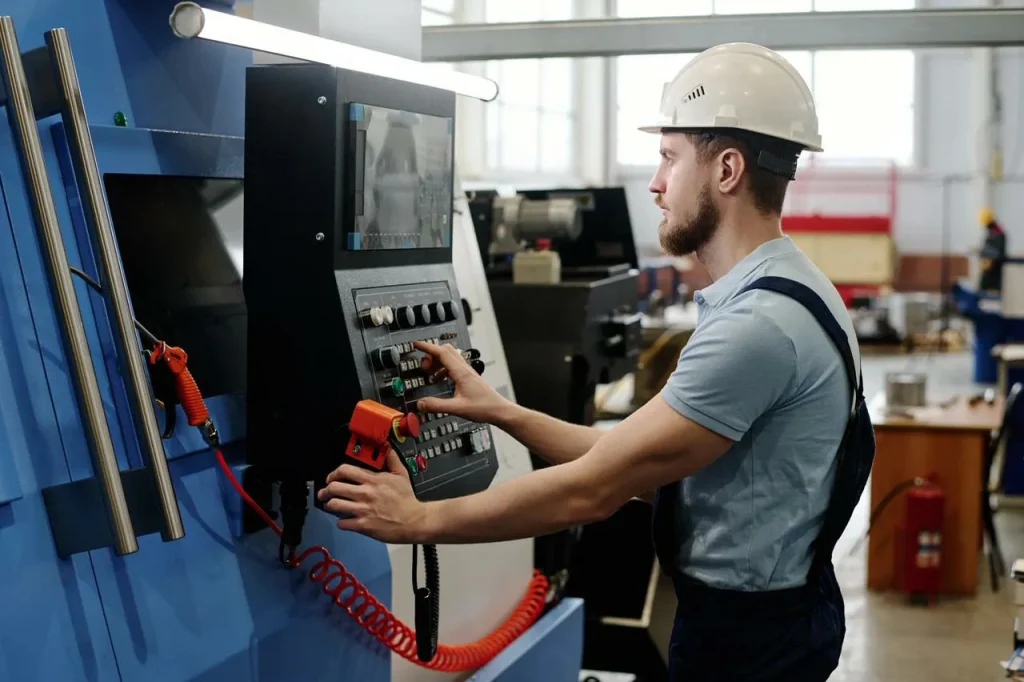
There are real challenges in CNC machining aluminum castings even when the part appears acceptable in raw form. Variable microstructure can change tool wear, chip formation, and local cutting behavior. Casting skin may machine differently from interior metal. Hard spots or inclusions can damage tools or leave torn surfaces. Hidden porosity may open only after a face, bore, or threaded hole is machined.
This matters for tapping and drilling for cast aluminum. A drilled hole that looks acceptable at entry may break into porous material deeper in the section. Thread engagement can then become unreliable. For this reason, critical threads are often placed in sound sections, given extra material, or redesigned with inserts if the application requires higher confidence.
When stock allowance is too low, machining may fail to clean up the full surface. When it is too high, cycle time and tool load rise. So the machining plan should be built into the casting design from the start.
What buyers should check in inspection, testing, and quality documentation
Reference note: standards bodies, industry quality guidelines
Buyers should verify material traceability, dimensional inspection method, and defect-control capability for the specific risk areas on the part. For pressure-retaining or structurally sensitive castings, the RFQ should state the leak-test method, any internal inspection requirement, whether impregnation is allowed, and whether weld repair is prohibited, limited, or procedure-controlled. Also confirm whether the supplier can support first article approval, machining inspection, and records that link the finished part back to melt or lot history.
Key checks include the alloy specification, casting process, any heat treatment condition, dimensional inspection method, and criteria for visual or internal defects. If pressure tightness matters, leak test expectations should be clear. If critical regions exist, the drawing or specification should identify them so that inspection effort is directed where it matters.
Documentation should also clarify whether repair is permitted, what nonconformance rules apply, and how traceability is maintained. In short, quality control should connect defect types to service risk.
Cost, tolerance, and lead time factors for cast aluminum
Several key elements shape the overall economics and delivery timeline of cast aluminum components.
What drives cost in tooling, alloy choice, process selection, and finishing steps
Cost in cast aluminum comes from more than material weight. Tooling is a major factor, especially for permanent mold, die casting, or any design that needs complex cores or slides. Geometry complexity affects gating, core making, and defect risk, which in turn affect scrap and inspection effort.
Alloy choice can also change cost because some alloys are easier to melt, cast, machine, or finish than others. Process selection matters because each route carries its own cost structure. A low-tooling process may have higher per-part variation and more machining. A higher-tooling process may lower unit labor but increase upfront commitment.
Finishing steps often add more than expected. Cleaning, heat treatment, impregnation, coating prep, and machining all compound lead time and cost. This is especially true when surface finishing for cast parts is driven by function rather than appearance.
Tolerance expectations by casting method and why secondary machining is often required
Tolerance planning should separate cast features from machined features before RFQ release. Datums, sealing faces, bearing seats, threaded holes, and tight geometric relationships are usually safer to machine after casting, with enough stock left for cleanup and alignment to functional datums. A casting drawing should identify which surfaces are near-net only and which features are controlled only after machining and inspection.
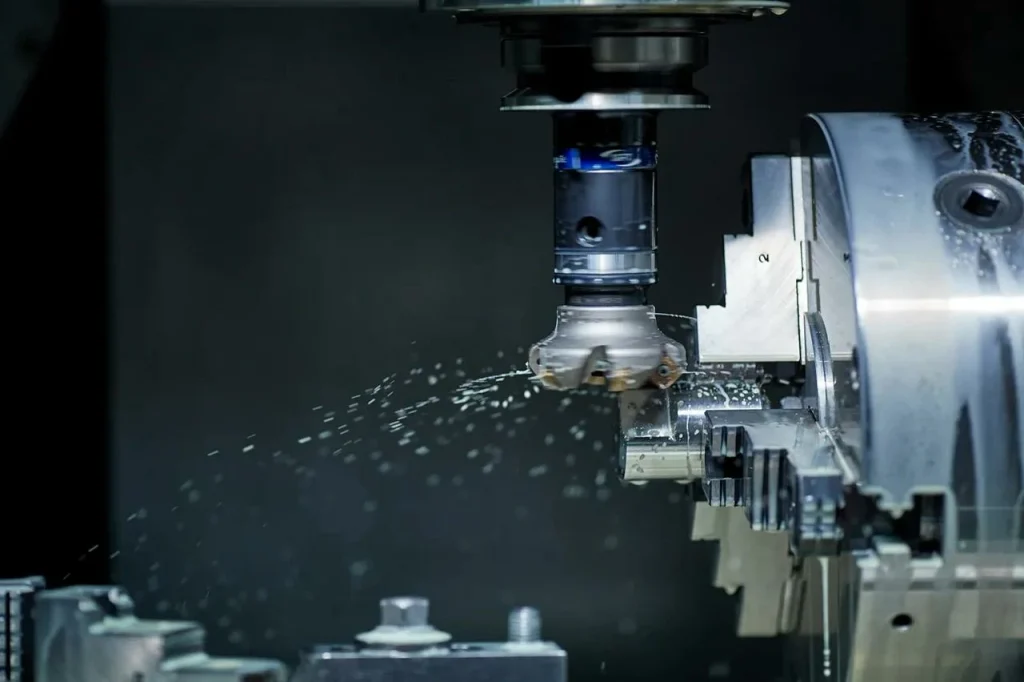
Secondary machining is often required because castings shrink during solidification and cooling, and local geometry can move in different ways. Features like bearing bores, gasket faces, datum pads, and threaded ports usually need machining if fit or sealing matters.
This also answers the common comparison of cast aluminum versus machining from stock. If the part needs many precision faces and only modest shape complexity, stock machining may be simpler. If the part has complex geometry but only a few critical machined surfaces, casting plus finish machining may be the better route.
Surface finishing for cast parts: when finishing improves function versus appearance only
Surface finishing for cast parts should be chosen by function first. Cleaning and blasting can remove residue and improve coating adhesion. Machining creates flatness, bore quality, or sealing faces. Conversion or protective coatings may support corrosion performance, electrical behavior, or paint preparation.
On the other hand, some finishing is mainly cosmetic. If the service requirement does not depend on appearance, decorative finishing may add cost without changing performance. The important review point is whether the finish addresses a real need such as wear, sealing, conductivity, corrosion behavior, or customer handling.
Tapping and drilling for cast aluminum and how machining needs affect total lead time
Reference note: industry reports, manufacturing standards
Tapping and drilling for cast aluminum are common secondary operations, but they affect both manufacturability and schedule. If many holes, threads, and machined pads are required, the apparent advantage of near-net casting can shrink.
Lead time increases when the casting must first be cleaned, inspected, and fixtured before machining. If defects appear only after drilling or tapping, rework or rejection can add delay. Thread quality may also depend on local soundness, so highly loaded fastener points may require design changes such as thicker bosses, relocated holes, or inserts.
For buyers, the practical lesson is simple: count machining features early. A casting with many precision holes may behave more like a machined part in schedule and cost than expected.
Where alu cast metal works best in real applications
Cast aluminum components appear across countless industrial and commercial use cases, with suitability shaped by load requirements, environmental conditions, and functional priorities.
Applications of aluminum casting in automotive, industrial equipment, electrical, and housings
Common applications of aluminum casting and aluminum cast products include automotive housings and covers, industrial equipment bodies, pump and valve components, electrical enclosures, gearbox cases, motor housings, brackets, and general machine structures.
These are all parts where weight, geometry freedom, thermal behavior, or corrosion resistance can justify casting. Housings and enclosures are especially common because they benefit from ribs, bosses, mounting flanges, and internal volume formed in one piece.
When cast aluminum is a fit for structural versus non-structural components
Structural suitability depends on defect sensitivity, load mode, section thickness, and inspection class, not only on nominal alloy strength. Castings are generally a safer fit for housings, covers, and geometry-driven parts than for highly fatigue-sensitive members unless the design, process route, and inspection plan are controlled for that service. Where failure would be driven by cyclic loading, sealing integrity, or local stress concentration, require a stricter review of soundness and machining strategy.
In short, cast aluminum is often an easier fit for non-structural parts and moderately loaded supports than for highly fatigue-sensitive structural members. Structural use is possible, but it should be approached with stricter process and quality planning.
Practical scenarios where thermal conductivity, weight, or corrosion resistance drive selection
Thermal conductivity often drives selection in motor housings, heat-spreading enclosures, and parts that must move heat away from internal components. Weight drives selection in transport equipment, moving machine assemblies, and manually handled products. Corrosion resistance drives selection in outdoor housings, certain fluid-system parts, and equipment exposed to moisture.
These are practical, not theoretical, selection reasons. If none of these properties matter much, and if shape complexity is low, another manufacturing route may be more sensible.
Table: Matching application requirements to alloy and casting process choices
| Application need | Typical casting approach logic | Alloy selection logic |
|---|---|---|
| Complex housing with moderate volume | Permanent mold or sand depending on size and finish need | General-purpose cast alloy with good machinability |
| High-volume thin-wall enclosure | Die casting if geometry and service fit the process | Alloy chosen for castability and repeatability |
| Large industrial body with internal cavities | Sand casting with cores | Alloy selected for castability and service environment |
| Smaller detailed component with fine geometry | Investment casting | Alloy matched to detail retention and post-processing needs |
| Corrosion-exposed component | Process chosen by geometry and quality need | Alloy family reviewed for corrosion behavior and weld needs |
How to evaluate and choose the right cast aluminum approach
Selecting the ideal cast aluminum solution requires balancing material, process, and operational factors across the entire production chain.
Decision matrix: Alloy, casting method, finish, machining, and inspection requirements
A practical selection method is to compare five linked decisions at the same time: alloy, casting method, finishing, machining, and inspection. If one changes, the others often need to change too.
| Decision area | Main question | If the answer is demanding, what usually follows |
|---|---|---|
| Alloy | Does service need corrosion resistance, weldability, or heat treatment response? | Narrower alloy choices and more process control |
| Casting method | Is the part high-volume, thin-wall, large, or highly detailed? | Different tooling route and cost structure |
| Finish | Does the surface need sealing, coating adhesion, or cosmetic control? | Added cleaning, machining, or coating prep |
| Machining | Are there many critical bores, faces, or threads? | More stock allowance and longer post-cast routing |
| Inspection | Is the part structural, pressure-tight, or safety-relevant? | More defined acceptance criteria and documentation |
This matrix helps prevent isolated decisions. A low-cost casting process may stop being low cost if inspection and secondary machining become heavy.
When cast aluminium vs aluminium stock machining is the better route
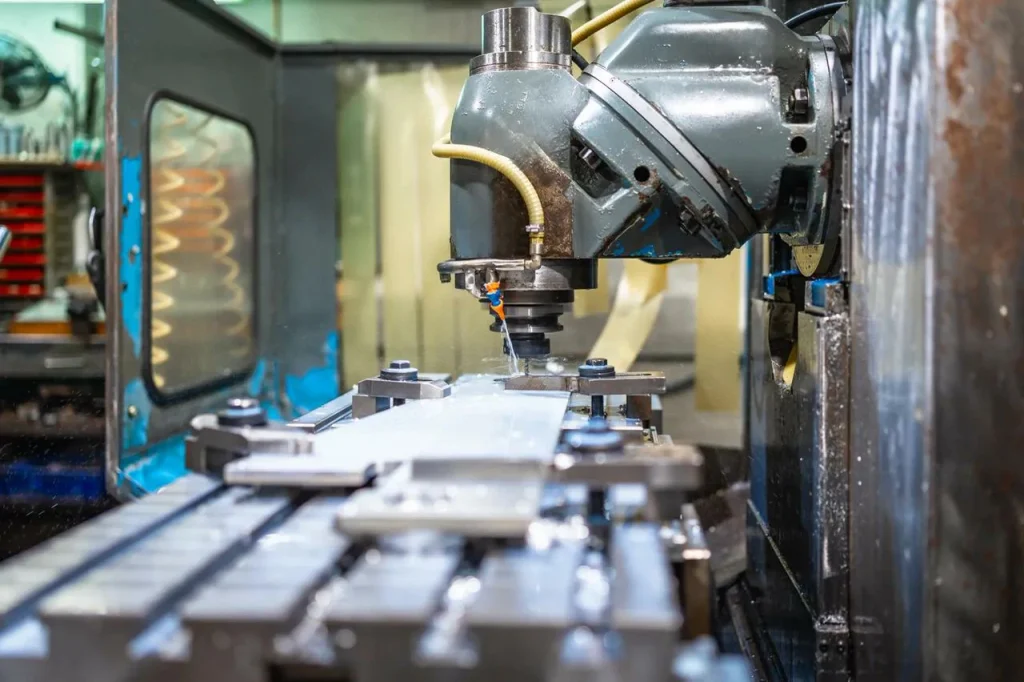
The decision between cast aluminium vs aluminium stock machining is usually clear when you look at geometry. If the part has internal cavities, integrated ribs, or shape features that would waste a lot of billet material, casting is often worth serious review. If the part is basically a prismatic block, plate, or simple turned shape with tight tolerances, machining from wrought stock may be the cleaner route.
Machined wrought stock is also attractive when material properties need to be more predictable and when development changes are still frequent. Casting becomes more attractive as geometry complexity rises and design stability improves.
Questions to ask before specifying cast aluminum for a new or redesigned part
Before specifying cast aluminum, the design team should confirm:
- Is the main value weight reduction, shape complexity, thermal behavior, corrosion performance, or cost at volume?
- Which surfaces must be machined for function?
- Which defects would actually cause failure or rejection?
- Does the alloy need to support welding, heat treatment, or coating?
- Is the part structural, pressure-retaining, or mainly an enclosure?
- Are threaded features critical enough to require inserts or extra stock?
- Does the expected volume justify the tooling route?
- Can inspection methods verify the risks that matter most?
These questions help separate a good casting candidate from a part that only looks suitable at first glance.
Checklist: How to choose the right aluminum casting method for performance, risk, and manufacturability
Use cast aluminum when these conditions are mostly true:
| Checkpoint | Use cast aluminum when… | Reconsider when… |
|---|---|---|
| Geometry | The part benefits from near-net complex shape | The part is simple and mostly machined anyway |
| Volume | Repetition supports tooling and process setup | Volume is too low to justify tooling effort |
| Quality target | Critical areas can be machined and inspected | Acceptance depends on internal perfection that is hard to verify |
| Alloy fit | A cast alloy supports service and post-processing | The design depends on a wrought-only alloy expectation |
| Repair strategy | Limited or controlled repair is acceptable | The part depends on easy weld repair in critical zones |
| Lead time | Tooling plus casting plus machining fits the project plan | Fast change cycles favor stock machining |
| Risk | Defect-sensitive areas can be designed out or screened | Small hidden defects would create major service risk |
Alu cast metal is a strong option when the part needs complex geometry, low weight, and a manageable number of machined interfaces. It becomes less attractive when the design needs simple geometry, very tight tolerance everywhere, easy late-stage design changes, or critical performance that is highly sensitive to hidden casting defects.
The best decision is rarely “cast aluminum or not” in isolation. It is a combined decision about alloy, process, geometry, machining, and inspection. If those five elements support each other, cast aluminum can be a practical and durable manufacturing route. If they conflict, the part may be better redesigned for another casting method or machined from wrought stock.
FAQs
Alu cast metal, commonly referred to as cast aluminum, denotes cast aluminum parts formed by pouring or injecting molten aluminum into a mold, covering aluminum casting parts produced via sand casting, die casting, investment casting and other processes for industrial and commercial use; in engineering applications, the selection of cast al alloys and corresponding casting processes is critical as they determine the compactness, machinability and service performance of parts, and choosing suitable alloys and processes ensures CNC machined aluminum castings meet functional needs and maintain stable service life.
High-quality aluminum castings deliver reliable quality when their cast al alloys, production processes and inspection schemes match the functional requirements of components, with high-quality alu cast metal relying on strict control of melting, mold filling and solidification to avoid porosity, shrinkage, inclusions and other defects, rather than simply depending on the material itself; structural or pressure-bearing aluminum casting parts require extra testing and verification to guarantee consistent performance, supporting subsequent tapping and drilling for cast aluminum and surface finishing for cast parts.
6061 is a typical wrought aluminum alloy suitable for extrusion, plate processing and CNC machining, not a professional cast al alloy designed for melting and casting molding, so engineers usually select dedicated cast aluminum alloys like aluminum A380 CNC components in casting production, as such casting-specific materials feature better fluidity, feeding performance and heat treatment adaptability to fit the molding characteristics of alu cast metal.
There is no absolute superiority between cast aluminum and ordinary wrought aluminum since alu cast metal and wrought aluminum adapt to different manufacturing scenarios, with cast aluminum excelling in forming complex near-net-shape aluminum casting parts to lower assembly and material costs, while wrought aluminum is more applicable for simple shapes with high precision and stable machining performance, and the selection relies on part structure, performance demands and production efficiency, also affecting subsequent processes such as can you weld cast aluminium, tapping and drilling for cast aluminum and surface finishing for cast parts.
Yes, cast aluminum allows drilling and tapping in secondary CNC machining, and it is standard to reserve enough machining allowance on alu cast metal to ensure sound material for threaded structures, where the key constraint is local material compactness as porosity or inclusions may weaken thread quality and fastening strength, thus critical fastening positions often need thicker bosses or inserts to ensure reliable thread engagement for CNC machined aluminum castings.
Cast aluminium and cast iron have their own engineering advantages without absolute advantages or disadvantages, as alu cast metal features lightweight and high thermal conductivity suitable for weight-sensitive applications, while cast iron has better vibration damping, wear resistance and high-temperature stability for heavy-duty structural parts, and the choice is determined by load conditions, service environment and performance priorities, also influencing the application of cast al alloys and surface finishing for cast parts.
The most commonly used cast al alloys are silicon-rich aluminum-silicon series alloys, which are widely adopted for alu cast metal and aluminum casting parts due to outstanding castability, mold fluidity and resistance to hot tearing, compatible with most mainstream casting processes; these alloys balance machinability, corrosion resistance and mechanical properties for general industrial scenarios, with representative grades including aluminum A380 CNC components widely used in housings, brackets and structural parts across industries, matching well with CNC machined aluminum castings and surface finishing for cast parts.


 English
  German
  French
  Italian
  Spanish
  Polish
  Czech
Czech  Japanese