
Anodization (also called anodizing) changes the metal surface of aluminum into a tough, controlled aluminum oxide layer. This electrochemical process helps with corrosion resistance, wear, and color. If you struggle with coatings that chip or peel, with color variation, or with durability in salt, heat, or UV, anodized aluminum often solves those problems while keeping the look of metal. It is common in architecture, electronics, aerospace, automotive, and more.
This guide starts with the basics—what anodization means and how it works—then walks you through types of anodization and key specs. You will see how to choose thickness, seal, and color, how to call out standards on drawings, and how to compare anodizing against paint, powder coating, and plating. We also cover performance data, process best practices, quality and troubleshooting, sustainability and compliance, and practical tools. Along the way, we answer common questions like: What is the purpose of anodizing? Does anodization wear off? Which metals can be anodized? What is the 720 rule? By the end, you can specify the right anodized finish with confidence.
What is Anodizing and How does Anodizing Work?
Aluminum and certain other metals can also be anodized, though aluminum remains the most commonly processed material due to its oxide layer properties. Understanding how anodizing works helps explain why anodized aluminum parts are resistant to wear, corrosion, and can hold a variety of colors.
Core mechanism and oxide formation
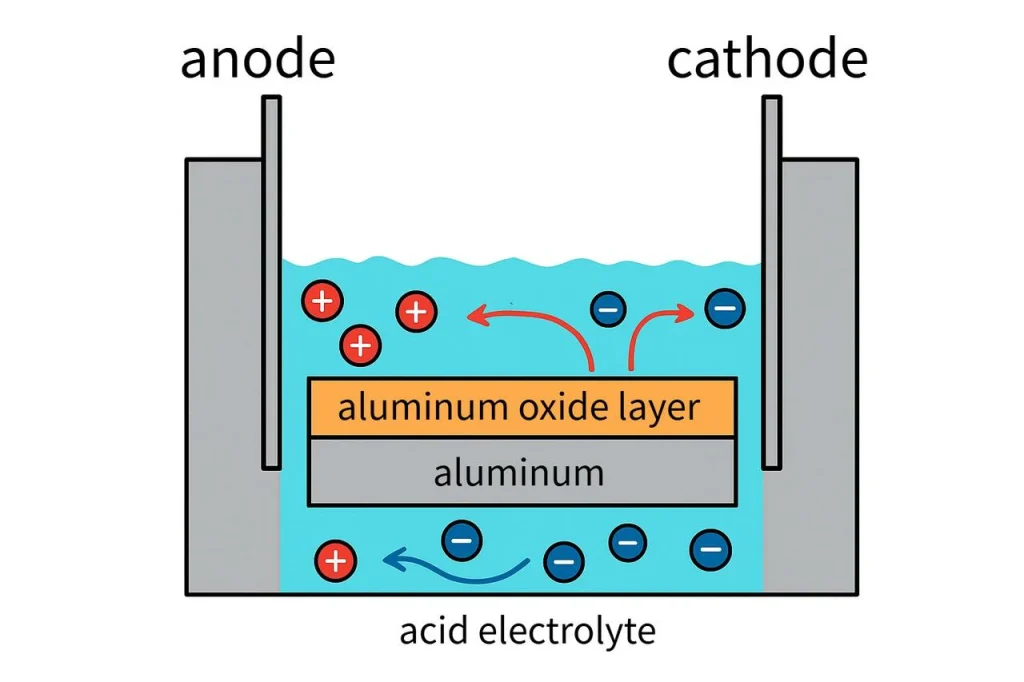
In anodization, the aluminum part becomes the anode in an acid bath, most often sulfuric acid. When DC power is applied, oxygen ions form at the surface of the aluminum, creating aluminum oxide (Al2O3). This is not a coating laid on top; it is a conversion of the top layer of the aluminum substrate into an anodic film. That film has two parts:
- A thin barrier layer at the metal interface that is dense and non-porous.
- Above the thin barrier layer, a porous aluminum oxide layer forms, which can hold dyes or metal salts for coloration.
Because aluminum oxide is harder and more stable, the resistance of anodized aluminum to corrosion and wear is significantly higher than bare aluminum. It also gives a durable surface finish that keeps the metallic look.
Step-by-step overview (clean, anodize, color, seal)
Here’s the high-level anodizing process most shops follow:
- Surface preparation
- Clean: Remove oils and soils (alkaline or solvent clean).
- Etch: Light alkaline etch to even out tooling marks.
- Desmut: Acid desmut to remove alloying residues (like copper or silicon).
- Anodize
- Rack the part so current flows evenly.
- Immerse in an acid electrolyte, with sulfuric acid commonly used for its effectiveness and ease of control.
- Apply controlled anodizing voltage and current density.
- Control temperature and time to hit the desired thickness of the oxide, ensuring proper protection and durability.
- Color (optional)
- Use organic dye or metal salts to fill the pores, which locks in the color and improves corrosion resistance.
- Or use electrolytic two-step coloring (depositing metal salts, often tin, in the pores) for bronze to black.
- Seal
- Close and hydrate the pores to lock in color and improve resistance.
- Options include hot deionized water, nickel acetate seal, or mid-temperature seals.
- Advanced seals improve UV stability and reduce dye bleed.
Chemistry and reactions (balanced)
At the anode (aluminum surface):
2Al + 3H2O → Al2O3 + 6H+ + 6e−
At the cathode:
6H+ + 6e− → 3H2(g)
Overall cell reaction:
2Al + 3H2O → Al2O3 + 3H2(g)
You will see hydrogen gas bubbles at the cathode. The electrolyte, often sulfuric acid, helps dissolve and shape the growing porous surface while the barrier layer forms at the metal interface.
Types of Anodizing & Key Specs
Aluminum and other metal parts can be anodized using different types of anodization, each offering specific benefits and performance. Understanding the differences between Type I, II, and III anodizing helps you choose the right oxide thickness, porosity, and finish for corrosion resistance, wear, and color stability in your anodized aluminum parts.
Type I (Chromic acid) use-cases and limitations
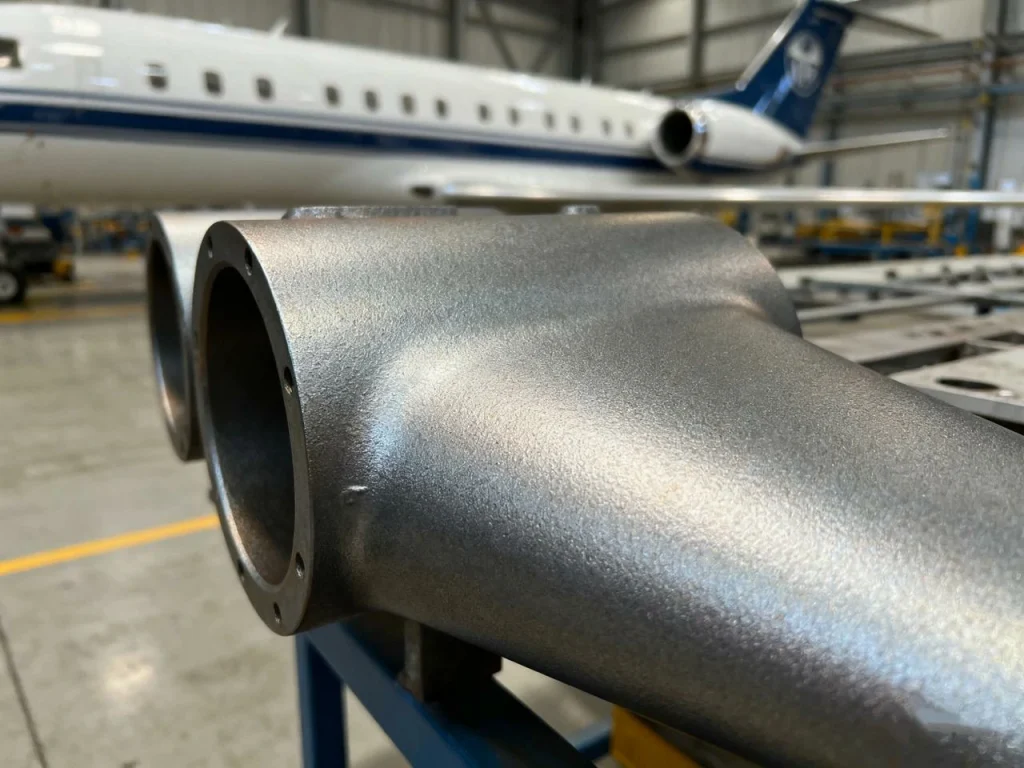
Chromic acid anodize (CAA) creates a very thin, less porous film. It causes minimal dimensional change and is gentle on fatigue-critical parts. It is common in aerospace as a base for primer and paint where weight and stress life matter. The finish is often gray to dark and is not ideal for bright dye colors. Because chromic acid involves hexavalent chromium, it has more regulatory and handling concerns than sulfuric acid systems, and many programs now use alternatives where possible.
Typical features: thin film, good paint adhesion, minimal color, excellent for priming and stress-sensitive parts.
Type II (Sulfuric acid) for color and versatility
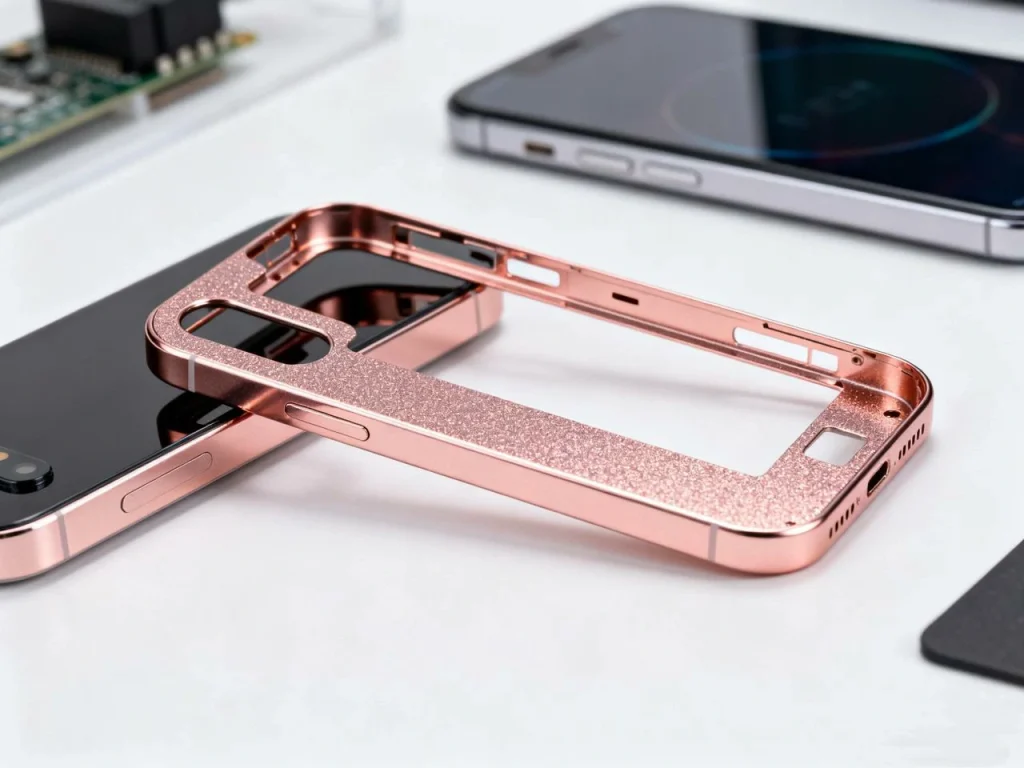
Type II anodizing (sulfuric) is the most common. It produces a moderate thickness oxide with a highly porous structure, perfect for dyeing. It is used for decorative parts, consumer goods, general corrosion resistance, and many machined components. With proper sealing, Type II holds color well and resists weathering in many environments.
Typical features: broad color range, good corrosion resistance, cost-effective, versatile thickness control.
Type III (Hardcoat) for wear and extreme durability
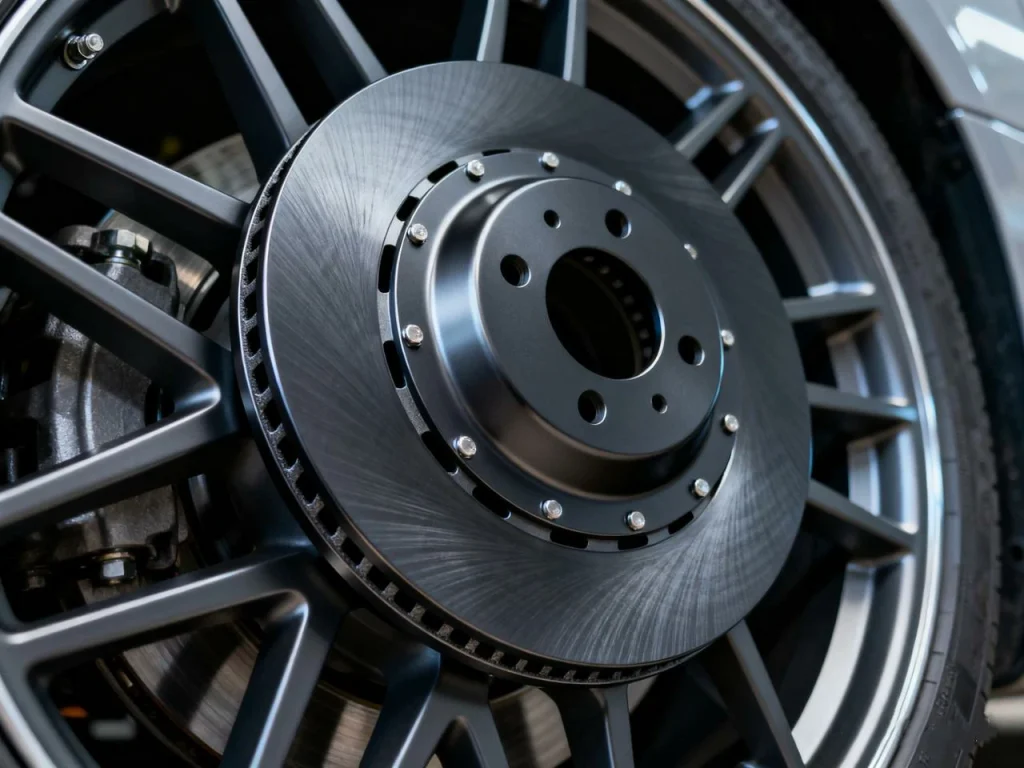
Type III anodizing (hardcoat, hard anodizing) builds a thick, dense oxide. It can reach about 25–75 µm and is used for wear, abrasion, and sliding surfaces. The hardness can reach roughly 400–600 HV (alloy and parameters dependent). Many automotive, industrial, and defense parts use hardcoat for long wear life. You can still color hardcoat, but shades tend to be darker due to the dense structure.
Typical features: high wear resistance, thicker film, darker tone, good base for solid lubricants.
Specifications to call out on drawings
When you specify anodizing on a drawing or RFQ, include details that control appearance and performance:
- Alloy (e.g., 6061-T6) and part condition
- Process type (Type I/II/III) and standard (e.g., MIL-A-8625, ISO 7599, ISO 10074), according to the Defense Logistics Agency specification.
- Target thickness (µm or mils) and tolerance
- Surface prep (etch/no etch), masking zones, and racking notes
- Color (dye color code or electrolytic shade)
- Seal type (hot water, nickel acetate, mid-temp, or unsealed for adhesive bonding)
- Special QA tests (thickness method, seal quality test, corrosion test, color tolerance)
Table: Typical ranges and properties by type
| Attribute | Type I (Chromic) | Type II (Sulfuric) | Type III (Hardcoat) |
|---|---|---|---|
| Typical thickness | 2–7 µm (0.08–0.28 mil) | 5–25 µm (0.2–1.0 mil) | 25–75 µm (1.0–3.0 mil) |
| Porosity | Low | High | Moderate to high (denser) |
| Dyeability | Limited | Excellent | Limited to darker shades |
| Hardness (approx.) | ~200–300 HV | ~250–400 HV | ~400–600 HV |
| Dimensional change | Minimal | Moderate | Moderate to high |
| Common uses | Priming, fatigue-critical | Decorative, general duty | Wear, sliding, heavy duty |
Note: Actual values depend on alloy, bath chemistry, temperature, and current density.
Benefits, Performance & Comparisons of Anodization
Anodized aluminum parts offer a combination of durability, corrosion resistance, and aesthetic appeal that few other finishes can match. By converting the metal surface into a hard, porous oxide layer, anodizing improves wear performance, protects against environmental damage, and maintains a metallic look. Comparing anodization with painting, powder coating, and plating highlights why anodized parts are widely used in aerospace, automotive, architecture, and industrial applications.
Key benefits with data
Does anodization wear off? Over time, high abrasion can wear through the film, especially on edges. In chemicals with high pH, the oxide can dissolve. But under normal use, a sealed anodic layer has a long service life, and hardcoat can last for years in heavy-duty systems. The core benefits of an anodized coating come from the aluminum oxide itself. It is hard, adherent, and part of the metal. The finish will not flake like paint because it grows from the surface layer of the metal.
- Corrosion resistance: Properly sealed Type II and Type III films outperform bare aluminum in saline and industrial atmospheres. In lab salt spray tests (ASTM B117), sealed Type II films typically last far longer than raw aluminum.
- Wear resistance: Hard anodizing can reach microhardness in the ~400–600 HV range, leading to much better abrasion performance than bare aluminum.
- Aesthetics: Type II produces stable anodized aluminum finish with metallic sheen and a wide variety of colors. In architectural grades, color stability in sunlight is strong when you choose lightfast dyes or electrolytic colors.
- Cleanability and touch: The anodized surface feels smooth and is easy to keep clean.
- Thermal and electrical: The oxide is an electrical insulator and increases thermal emissivity, which can help with heat radiation.
Anodization vs powder coating, painting, plating
This table highlights the difference between anodizing and other common finishes like powder coating, painting, and electroplating.
| Criterion | Anodizing | Powder coating | Painting | Electroplating (e.g., nickel) |
|---|---|---|---|---|
| How it bonds | Converts top layer of metal | Polymer layer on top | Polymer layer on top | Metal layer on top |
| Peel/chip risk | Very low | Possible | Possible | Possible |
| Thickness (typical) | 5–75 µm | 50–150 µm | 20–50 µm | 5–25 µm |
| Wear resistance | High (Type III) | Moderate | Low–moderate | Moderate–high |
| Corrosion resistance | High when sealed | High | Moderate–high | High |
| Color range | Broad (Type II), metallic look | Very broad, opaque | Very broad, opaque | Limited, metallic |
| Field repair | Hard to “touch up” invisibly | Possible | Possible | Hard |
| Conductivity | Insulating | Insulating | Insulating | Conductive |
| Environmental profile | No heavy metal deposit on part; acid/water management needed | No solvents; powder waste | Solvents possible | Uses metals; bath management |
| Cost (relative) | Moderate | Moderate | Low–moderate | Moderate–high |
The key point is that anodizing integrates with the aluminum itself. It keeps the metal look, resists peeling, and can be very durable with the right thickness and seal.
Electrical, thermal, and friction properties
Anodic aluminum oxide is an electrical insulator. That means an anodized part surface will not conduct unless you remove the oxide locally or impregnate it with conductive materials. This is useful for dielectric spacing and reducing galvanic coupling.
Thermally, anodized aluminum has higher emissivity than bare aluminum. Bare aluminum reflects heat; anodized surfaces radiate heat better, which can help with passive cooling. Darker colors often increase emissivity further.
Friction depends on film structure and lubrication. Hardcoat alone has a relatively high coefficient of friction. With PTFE or dry-film lube in the pores, the coefficient drops a lot and sliding improves. Designers often specify hard anodizing plus a solid lubricant for moving parts.
Applications and Market Trends
Anodized aluminum parts are widely used across industries due to their durability, corrosion resistance, and aesthetic appeal. From aerospace and automotive to consumer electronics and architecture, different types of anodizing provide tailored benefits for wear, color stability, and surface protection. Understanding these industry use-cases and market trends helps in selecting the right aluminum alloys and anodization process for each application.
Industry use-cases and case snapshots
In aerospace, chromic acid and sulfuric acid anodizing are used for corrosion protection with minimal added weight. Parts often get primed and painted after anodizing for a belt-and-suspenders approach.
In consumer electronics, Type II provides consistent color and a premium metal feel. Anodized housings resist scratches better than bare aluminum and keep their look for years.
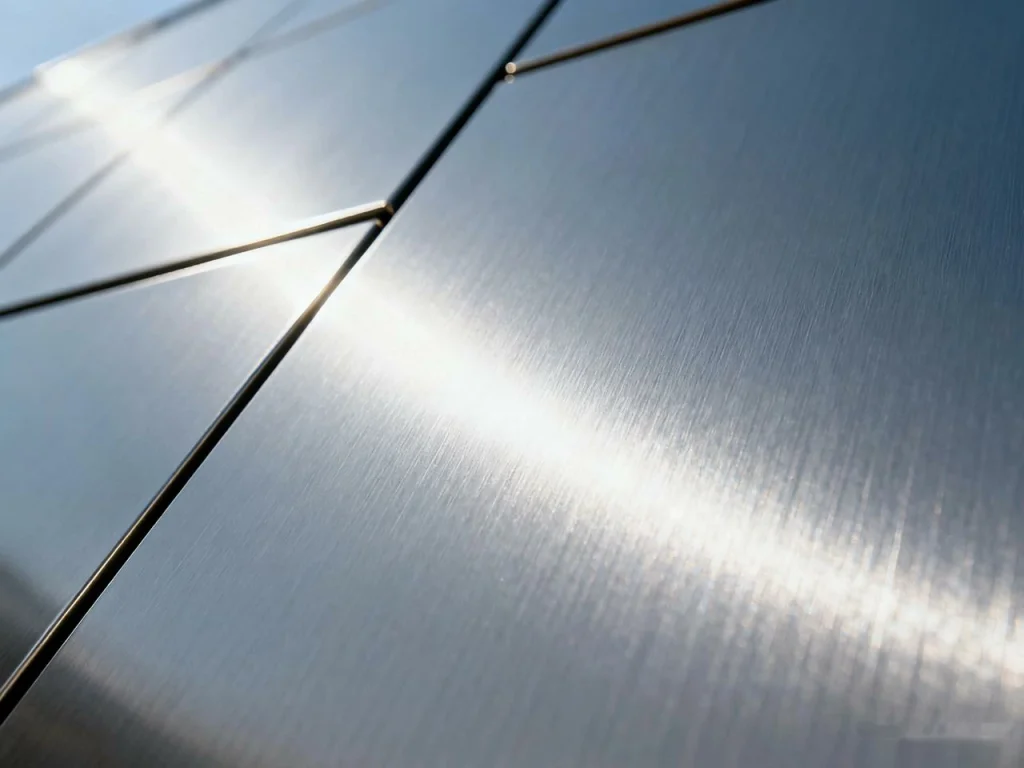
In architecture, extrusions and panels use anodized aluminum because the metallic look stays stable in sunlight and weather. Electrolytic bronze and black colors have strong UV performance.
In automotive and industrial machinery, Type III hardcoat protects pistons, cylinders, tooling plates, and sliding components that see abrasion or sand and dust. In salty or wet environments, sealed films extend life.
If you require high-precision aluminum parts with tight tolerances and professional finishing (including anodization), companies like U-Need offer custom CNC machining, aluminum part manufacturing, and finishing options (including anodizing) with excellent surface quality and fast lead times. This helps bridge design specifications with real supplier capabilities.
Market size and growth
Industry reports estimate the anodized aluminum market size at over $5 billion in 2022, with expected growth near 7% CAGR in the coming years. The push comes from lightweighting, long-life finishes, clean looks, and sustainability needs.
Material and alloy considerations
Not all aluminum alloys anodize the same. A well-prepared aluminum component suitable for anodizing, like those from the 6xxx series, often gives a bright, even finish and good hardness. 5xxx magnesium-containing alloys can anodize well, but watch for potential yellowish tones at times. 2xxx and 7xxx high copper and zinc alloys may yield darker shades and can be more prone to pitting during processing if prep isn’t tuned. Your pre-finish matters, too: the quality of machining, polishing, and the presence of extrusion lines will show through the anodized surface.
If you need a bright, uniform color, choose alloys known for decorative aluminium anodizing. If you need maximum wear, focus on alloys that build dense hardcoat.
Step-by-Step Process and Best Practices
Understanding the process of anodizing aluminum and following best practices is essential for high-quality anodized parts. From surface preparation and masking to controlling bath parameters, the anodization process ensures consistent thickness, durable color, and reliable sealing. Proper application of the 720 rule, along with correct coloring and sealing methods, helps achieve anodized aluminum parts with excellent corrosion resistance, wear performance, and aesthetic finish.
Preparation, masking, fixturing
Good anodizing work starts before the bath. Clean parts make good coatings.
- Degreasing: Remove oils and coolants.
- Alkaline etch: Light, to level the surface. Skip or minimize if you need a very bright look.
- Desmut: Acid dip removes alloy smut that etch leaves behind.
- Masking: Use tapes or paints rated for acids to keep certain zones unanodized or electrically conductive.
- Racking: Hold parts to get solid electrical contact and even current paths; avoid shadowing.
Tip: Tell your finisher about tight tolerances, masking needs, and “no-etch” surfaces. Clear notes reduce scrap.
Bath parameters and controls
For sulfuric anodizing, you control film thickness and structure with acid concentration, temperature, current density, and time.
Table: Typical bath parameters (guide values)
| Parameter | Type II (Decorative) | Type III (Hardcoat) |
|---|---|---|
| Sulfuric acid concentration | ~150–220 g/L | ~150–220 g/L |
| Temperature | ~18–22°C (64–72°F) | ~0–5°C (32–41°F) |
| Current density | ~1.0–1.5 A/dm² | ~2.0–4.0 A/dm² |
| Voltage profile | Ramped to limit burning | Ramped; higher voltage late |
| Agitation | Moderate | Strong (cooling important) |
These are starting points. Each shop will tune based on alloy, part geometry, and power supply limits.
What is the 720 rule for anodizing? It is a simple production rule for sulfuric acid processes: it takes about 720 ampere-minutes per square foot (A·min/ft²) to grow 1 mil (25.4 µm) of oxide coating. In short:
- Thickness (mils) = (Ampere-minutes per square foot) / 720
- Or, Ampere-minutes per square foot = 720 × Thickness (mils)
Example: You want 0.8 mil (about 20 µm). You plan to run at 20 A/ft².
A·min/ft² needed = 720 × 0.8 = 576 A·min/ft².
Time = (576 A·min/ft²) / (20 A/ft²) = 28.8 minutes.
This gets you close; your shop still adjusts for alloy and real-time voltage behavior.
Coloring and sealing methods
Coloring happens before sealing, while pores are open. You can use:
- Organic dyes: Wide color range. Some dyes have better lightfastness for outdoor use.
- Electrolytic coloring: Two-step process deposits metal salts (often tin) for bronze through black with excellent UV hold.
- Integral color: Grows color during anodizing in special baths (less common).
Sealing options:
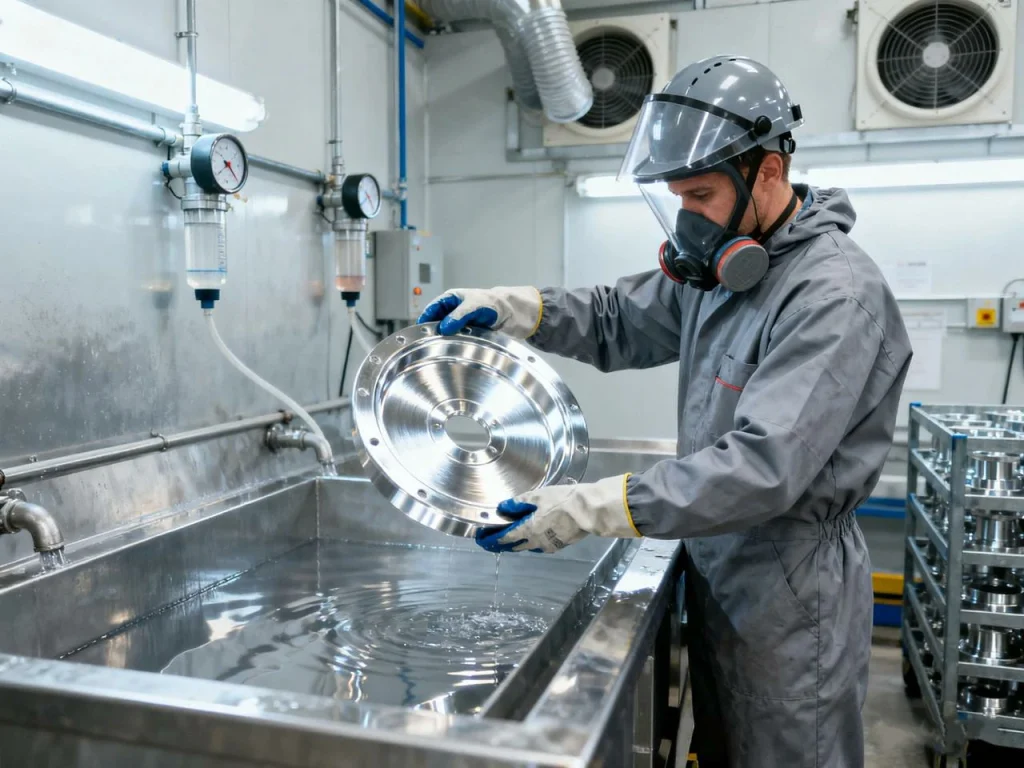
- Hot deionized water: Hydrates oxides to hydrated aluminum oxide, closing pores.
- Nickel acetate: Popular, fast, and durable seal at mid temp.
- Nickel-free or cold seals: Useful where nickel needs to be limited.
- Unsealed: Sometimes chosen to improve adhesive bonding or for secondary impregnation (like dry-film lube).
Verifying seal quality: Follow ASTM B136 dye stain or similar tests to confirm pore closure.
Quality, Testing & Troubleshooting
Ensuring high-quality anodized aluminum parts requires careful measurement, adherence to standards, and proactive troubleshooting. By monitoring anodizing thickness, corrosion resistance, seal quality, hardness, and color, manufacturers can produce anodized parts that meet specifications and perform reliably. Understanding common defects, their causes, and corrective actions helps maintain consistency across batches and maximizes the benefits of the anodization process.
Measurement and standards
Key tests help confirm that the anodized parts meet spec:
- Thickness: Eddy-current (ASTM B244) for quick, non-destructive checks; microsection (ASTM B487) for cross-section.
- Corrosion: Salt spray exposure (ASTM B117), often used for quality checks on sealed films.
- Seal quality: ASTM B136 dye stain test or ISO 2143 (nitric acid dissolution) to rate sealing.
- Hardness: Microhardness tests give relative wear potential.
- Color: Color meters and tolerances help keep lots consistent.
Also reference MIL-A-8625 for US defense drawings and ISO 7599 (decorative) and ISO 10074 (hard anodic) for international specs.
Common defects and root causes
- Burning or smoky areas: Often from too high current density, poor agitation, thin edges concentrating current, or high temperature.
- Pitting: Chloride contamination, poor rinsing, or alloy impurities.
- Streaking or tiger stripes: Carryover from etch/desmut, fixturing marks, or extrusion lines.
- Color variation: Mixed alloy lots, uneven thickness, dye bath aging, bad sealing.
- Poor adhesion for paint/adhesives: Over-etched surface, heavy seal (for bonding, use unsealed or a bonding-friendly seal), or contamination.
- Dye bleed: Improper sealing or over-dyeing can cause dye bleed and color variation, affecting the uniformity of the anodized finish.
Corrective actions and process controls
- Tune bath chemistry and temperature; use titration to keep acid and aluminum levels in range.
- Rinse well between steps to avoid contamination.
- Use current ramping to prevent burning at the start.
- Improve agitation and cooling to stabilize temperature.
- Keep SPC charts for thickness, voltage curves, and color; adjust before drift becomes scrap.
- Audit sealing with regular dye stain testing to reduce returns.
Environmental, Safety & Compliance
Anodizing aluminum and other metals involves environmental, safety, and compliance considerations that every manufacturer must manage. Proper handling of acids, nickel (if used for sealing), and wastewater ensures regulatory compliance while maintaining anodized parts performance. By following EHS best practices and choosing sustainable anodizing processes, companies can reduce heavy-metal discharge, protect workers, and meet local and international standards.
Regulatory frameworks and safer choices
Anodizing has a smaller heavy-metal footprint than many plating processes, but you still must manage acids, nickel (if used for sealing), and wastewater. In the EU, REACH limits hexavalent chromium. That affects chromic acid lines and chromate conversion coatings. Many programs now specify thin sulfuric acid anodize (TSA) or boric-sulfuric acid anodize (BSAA) as lower-chrome options while keeping paint adhesion.
In the US, metal finishing wastewater follows EPA effluent rules. Local permits can add limits on pH, metals, and total dissolved solids. Work with your local authority to set sampling and reporting.
Sustainability profile vs alternatives
Anodizing does not deposit heavy metals on parts. The anodized coating is part of the aluminum and lasts a long time, which reduces repaints and replacements. Energy is needed for cooling, agitation, and rectifiers, but closed-loop rinsing and heat recovery can cut water and power use. Where nickel acetate sealing is used, consider nickel-free seals to reduce metals in waste streams.
EHS best practices
Safety matters because the method involves immersing parts in acids and producing hydrogen gas.
- Use PPE: acid-resistant gloves, eye protection, face shield, apron.
- Provide ventilation at tanks to handle acid mists and hydrogen.
- Train staff on acid handling, neutralization, and spill response.
- Keep eyewash and showers nearby and tested.
- Store acids and caustics properly and label all containers.
How to Tell if Aluminum is Anodized?
If you have a part and you wonder, “Is this anodized?” try these simple checks:
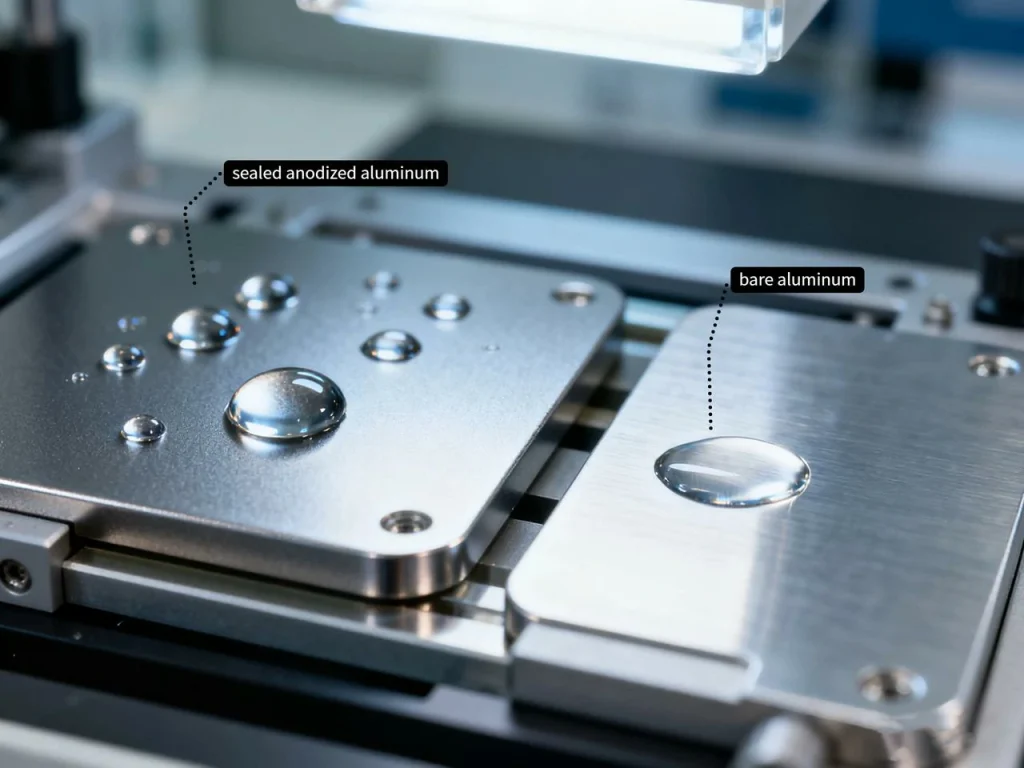
- Water test: A drop of water should bead more on a sealed anodized surface than on bare aluminum.
- Continuity test: Use a multimeter on a clean spot; the oxide is insulating, while bare aluminum conducts.
- Visual look: Anodized aluminum often has even color and a soft metallic sheen. Machining marks may still show, but the tone is uniform.
- Scratch edge: On a hidden edge, a small scratch through anodize may show a brighter metal line.
- Pro tip: Do not use strong caustics at home to test; they can damage the part and are unsafe.
Extra Practical Notes and Examples
- Dimensional change: The oxide layer grows both inward and outward. A rough rule is that part of the thickness replaces aluminum (inward) and part adds to dimensions (outward). For tight fits, talk with your finisher about growth and masking.
- Bonding and sealing: If you plan to bond or paint after anodizing, ask for an “unsealed” or “lightly sealed” surface to help adhesion.
- Edges and corners: High current density at sharp edges can cause burning. A small edge break helps both looks and performance.
- Mixed alloys: If your assembly includes different alloys, you may see color shade differences even with the same dye. Try to use the same alloy family where appearance matters.
- Alternatives to chromic acid: If you need paint adhesion but want to reduce chromate, ask about boric-sulfuric or thin sulfuric anodize with proven primer systems.
FAQs
Anodization is basically an electrochemical process where the surface of aluminum—or other suitable metals like titanium or niobium—is transformed into a controlled, hard oxide coating. This anodized layer is part of the metal itself, not just a surface film, so it’s highly corrosion-resistant, wear-resistant, and ready to accept dyes for color if needed. It’s what makes anodized aluminum parts so durable and visually appealing.
The main goal of anodizing aluminum is to increase the thickness and performance of the natural oxide layer. This enhances corrosion resistance, wear resistance, and maintains a consistent metallic look, while still letting you apply a variety of colors through dyes or electrolytic coloring. Essentially, it improves both function and aesthetics of metal parts.
Yes, it can wear under heavy abrasion or dissolve in strong alkaline solutions. But when you use hard anodizing (Type III) and properly seal the pores, the finish can last for years in normal use. For decorative finishes, a sealed Type II anodized aluminum surface holds color and resists weathering surprisingly well.
A few things to watch for:
• Touch-ups are tricky—deep scratches can’t be invisibly repaired.
• The oxide layer is insulating, so if you need electrical conductivity, you’ll have to mask or remove it in contact areas.
• Some bright dyes can fade outdoors if low-quality pigments are used or the seal isn’t sufficient.
Not every metal works. Metals like copper, plain carbon steel, and zinc alloys don’t form a stable, protective anodic layer. In contrast, aluminum, titanium, niobium, tantalum, and magnesium can be anodized, though magnesium needs specialized anodizing processes. Stainless steel is usually passivated instead of anodized.
The choice of chemical depends on the type of anodizing:
• Sulfuric acid is most common for Type II (decorative) and Type III (hardcoat) anodizing.
• Chromic acid is used for Type I anodizing, especially where minimal thickness and fatigue-sensitive parts are concerned.
• Variants like boric-sulfuric acid exist for specialized industrial needs.
The 720 rule is a handy production guideline for sulfuric acid anodizing: it takes about 720 ampere-minutes per square foot to grow 1 mil (25.4 µm) of oxide. This helps you roughly estimate anodizing time from your current density and desired thickness of the anodized layer, making it easier to plan anodization cycles and production schedules.
References
https://quicksearch.dla.mil/qsDocDetails.aspx?ident_number=36026

 English
  German
  French
  Italian
  Spanish
  Polish
  Czech
Czech  Japanese