
Tepelné zpracování CNC obráběných dílů: Kompletní průvodce
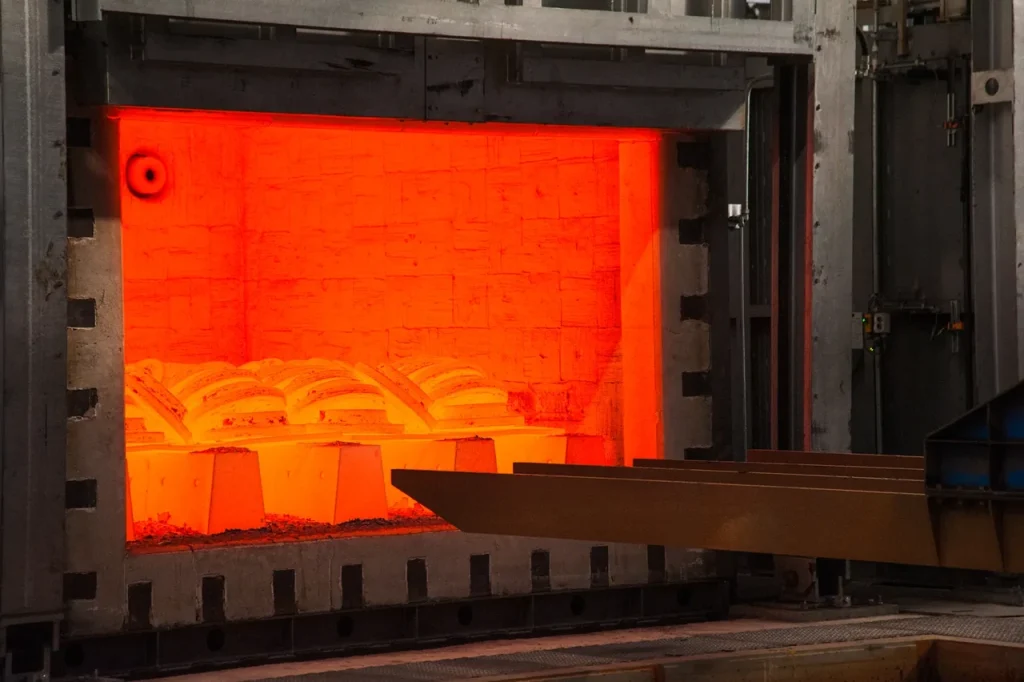
Heat treatment for CNC parts is usually not a “nice to have.” It is a design and manufacturing choice that changes risk, cost, lead time, and inspection needs. If the part must resist wear, carry high load without yielding, or survive repeated stress cycles, heat treatment can be the difference between a working design and […]
Tapping vs Thread Milling: What to Choose for CNC Threading?
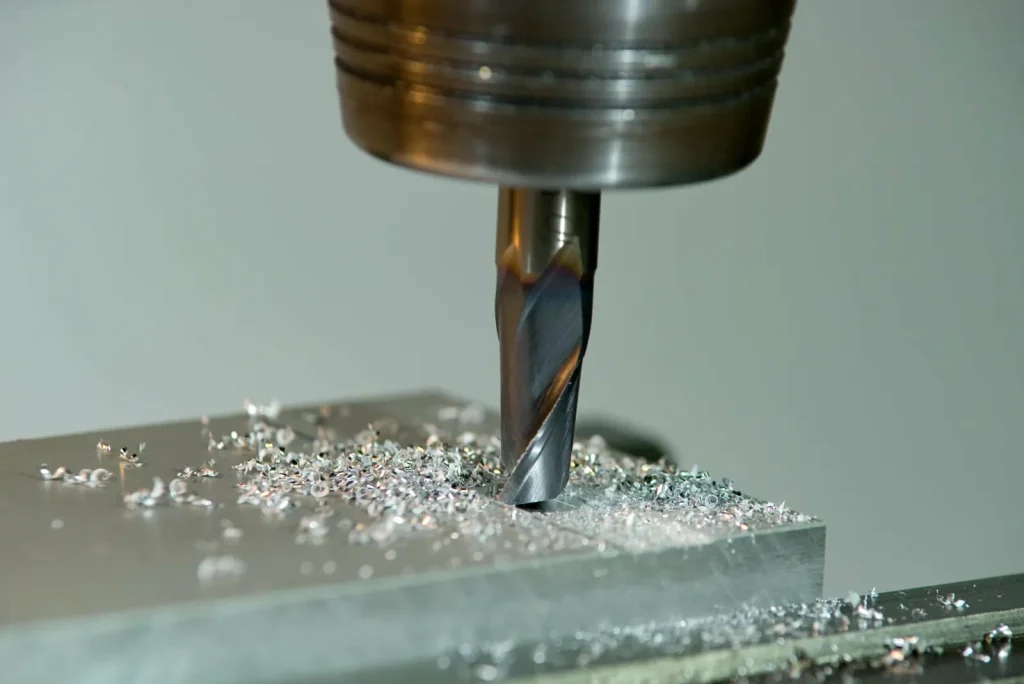
Choosing between tapping vs thread milling is rarely about “which method is better.” In CNC milling operations, it is about feasibility, thread requirements, and risk for a specific part, including thread size, thread depth, material, machine limits, and what happens if the tool fails. According to the International Organization for Standardization (ISO), standardized machining practices […]
CNC obrábění podélného řezu: Nástroje, 5osé obrábění, konstrukce T-drážek a DFM

Undercut machining refers to the process where CNC machined parts look “done” in CAD but fail on the shop floor, especially when producing undercut parts in machining that require specialized undercut cutting tools that typical straight machining tools cannot achieve. The geometry is not the problem by itself. The problem is access: the cutting edge […]
Hard Milling vs Wire EDM : Which CNC Milling Machine Should You Use?
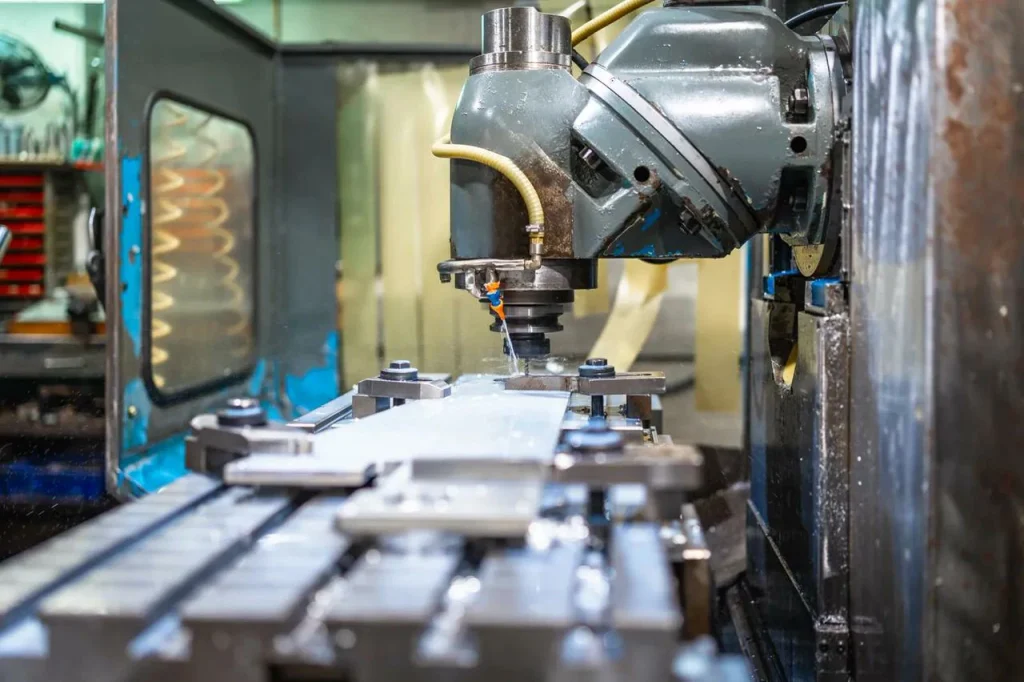
In hard milling vs wire edm, the decision usually comes down to precision, speed, and cost considerations. Many engineers struggle to choose between these two methods without a clear comparison of capabilities. Hard milling removes material quickly but is affected by tool deflection, vibration, and wear when machining hardened metals, making it unattended operations less […]
CNC Internal Corner Radius: Rules, Sizes And Design Tips
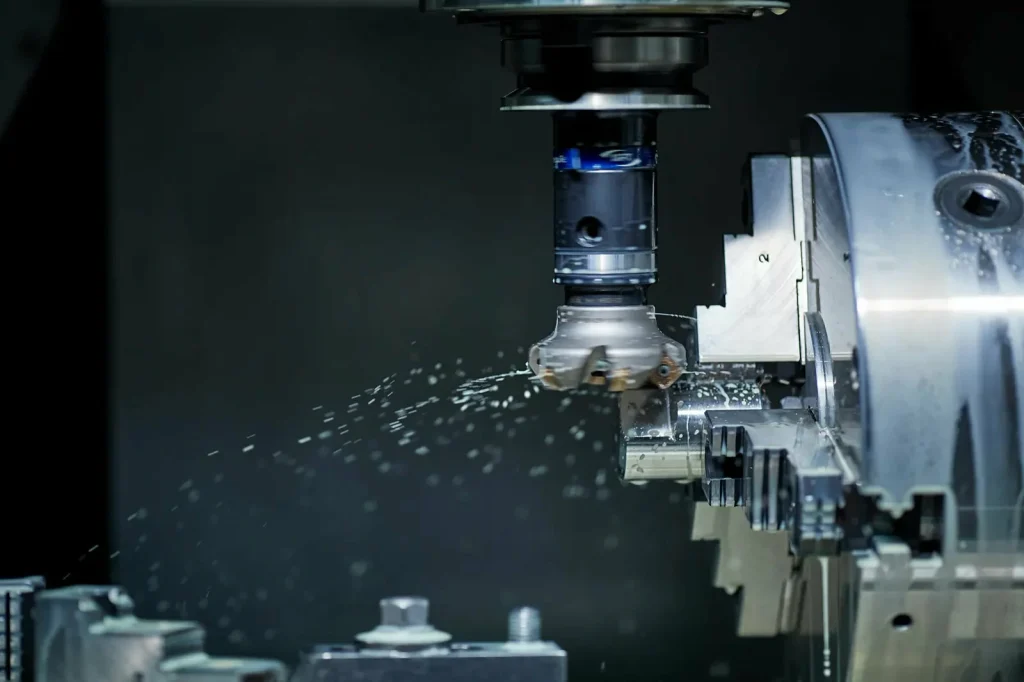
Internal corner radii are one of the fastest ways for a CAD model to turn into a slow, risky, high-quote CNC milled part, especially when avoiding sharp internal corners. For CNC Internal Corner Radius decisions, the key is designing for end mills with an appropriate tool diameter to radius. As noted in CNC machining design […]
CNC obrábění vs. 3D tisk: Průvodce náklady a pevností
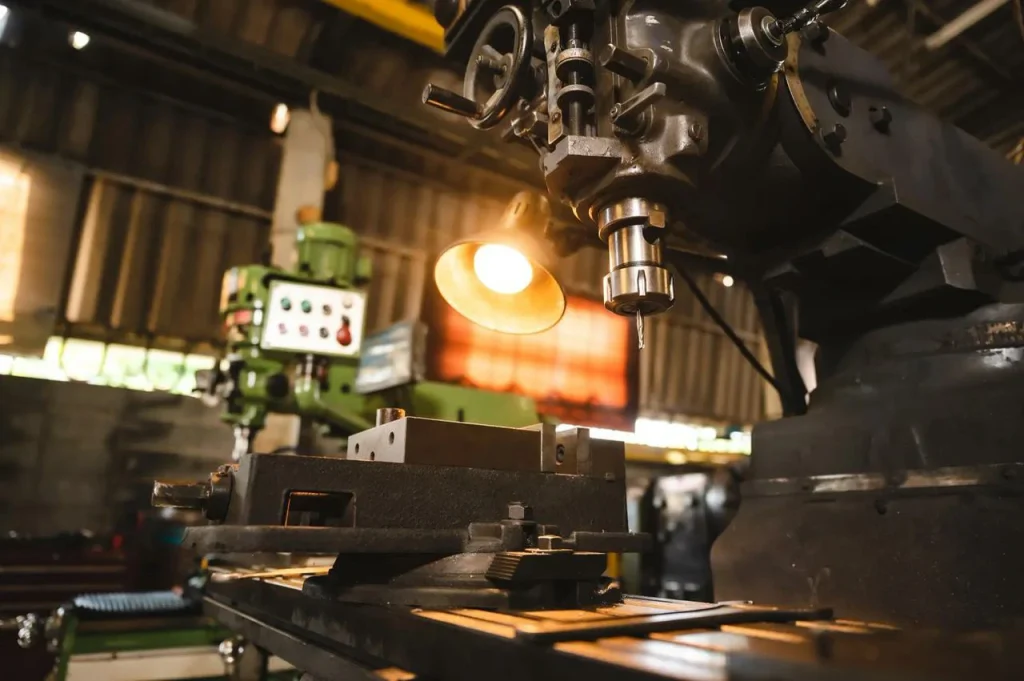
Fast answer: which process should you choose? When choosing between CNC machining and 3D printing, the decision depends on the specific requirements of your part, including prototyping cost comparison, precision, material properties, geometry, and production volume. 3D printing is typically more cost-effective for early-stage prototypes due to lower setup costs. Each process offers unique advantages, […]
Tryskání kuličkami vs. eloxování: Hliníkové povrchové úpravy pro CNC přípravu textury a eloxování
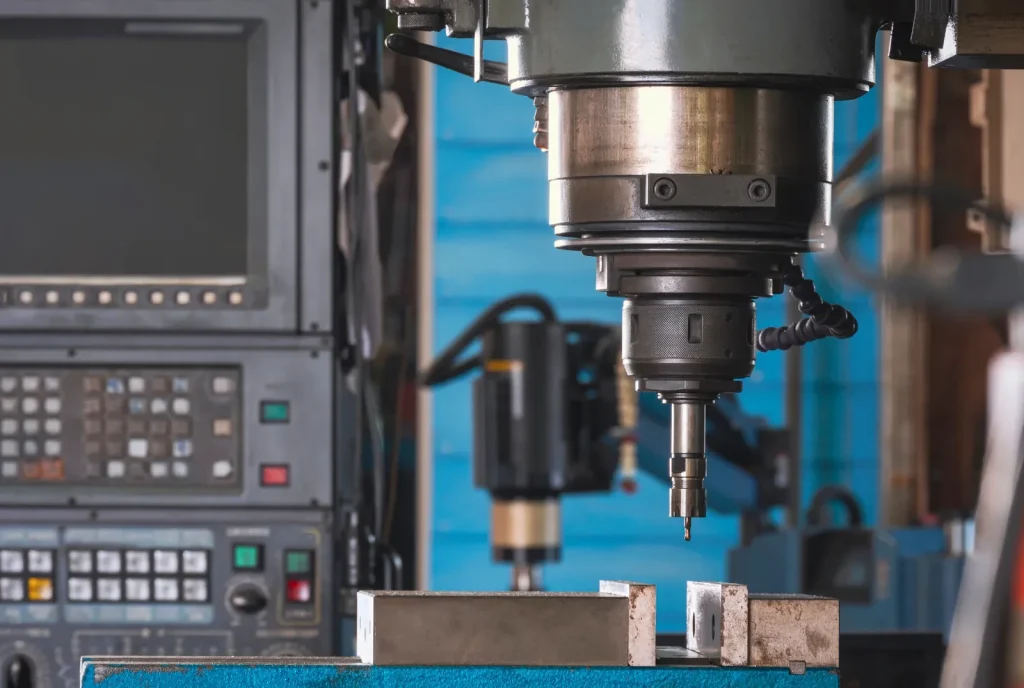
Choosing between bead blasting vs anodizing is not a style choice. It is a manufacturing decision that changes risk in fit, appearance, corrosion behavior, and rework options. The hard part is that the two processes do different things. Bead blasting mainly changes surface texture. Anodizing mainly changes the surface chemistry by growing an oxide layer.If […]
CNC vrtání vs. vyvrtávačka: Vystružování vs. vyvrtávání CNC, vysokorychlostní tipy a přesná výroba otvorů

Holemaking in CNC machining often looks simple on a drawing: “Ø10 through” or “Ø50 H7.” On the shop floor, the method matters because drilling and boring behave very differently once the tool touches material—core holeworking processes in CNC milling and other precision machining operations. The key point is that drilling is a fast way to […]
CNC obrábění tenkých stěn: Minimální tloušťka stěny CNC, frézování hliníku a prevence deformace
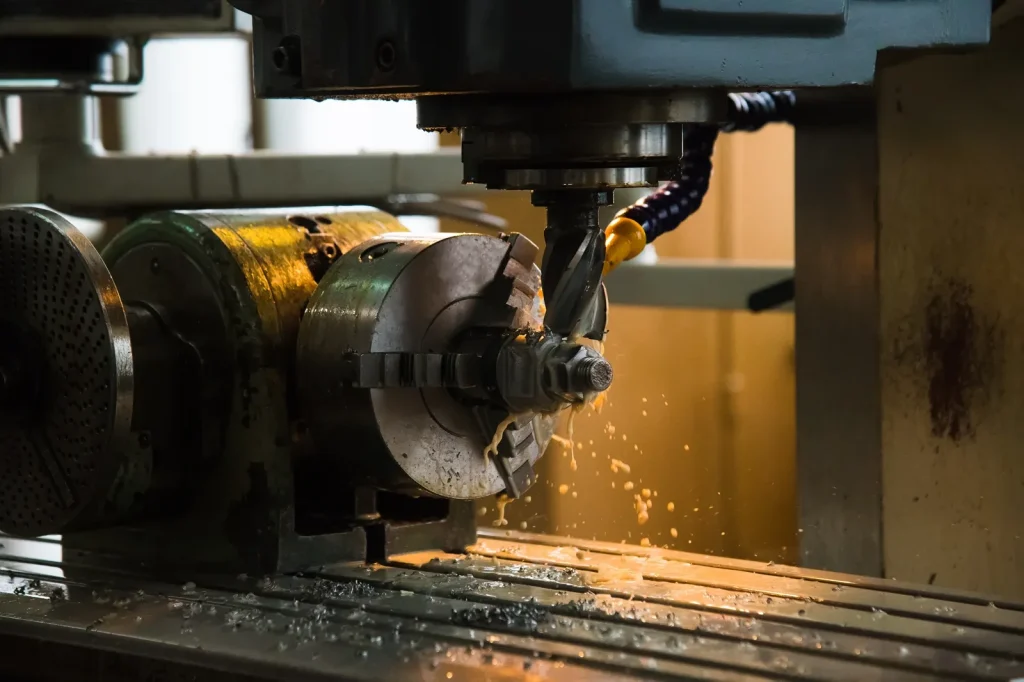
Thin walls are not “hard” in the same way tight tolerances are hard. They are hard because the part stops acting like a rigid block and starts acting like a spring. That changes what matters: cutting force direction, tool sharpness, tool reach, clamp contact, heat, and even the order you remove material. This guide is […]
Obrábění závitů: Nástroje a tabulka standardních velikostí pro díly.
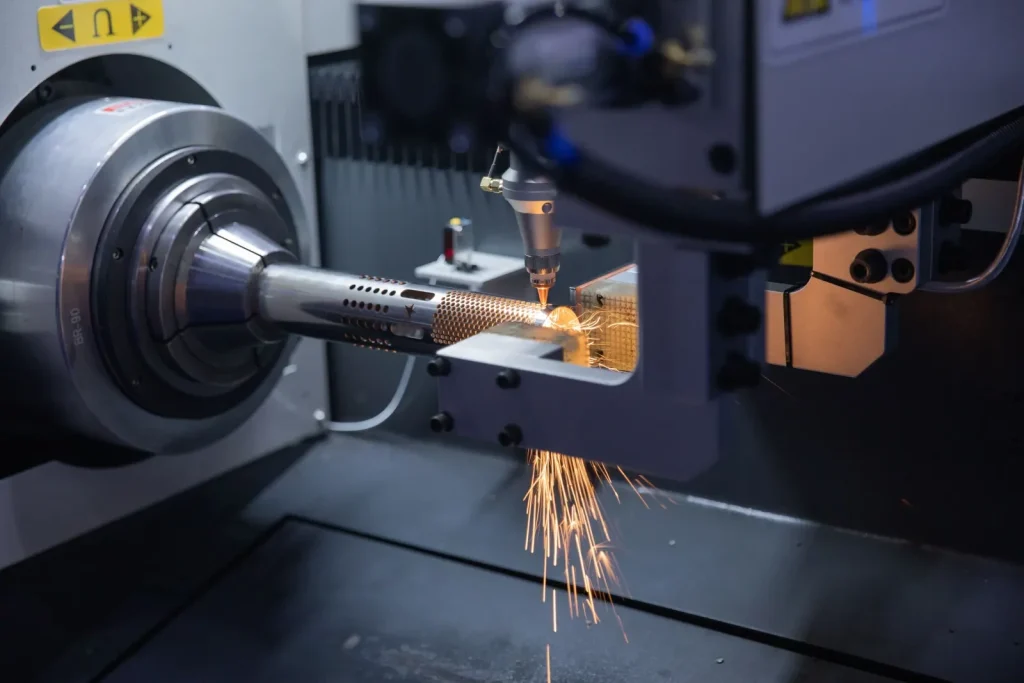
“CNC machining threads” sounds simple until parts hit assembly. Threads fail for a few repeatable reasons: the wrong standard or fit was specified, the machining method did not match geometry, tool deflection pushed pitch diameter out of range, or inspection did not match what the print needed. This article focuses on feasibility decisions for CNC […]

 Czech
Czech  English
  German
  French
  Italian
  Spanish
  Polish
  Japanese