
Aluminum finishes are the fastest way to improve corrosion resistance, wear performance, and appearance on aluminum parts and assemblies. If you’re choosing between anodized aluminum, powder-coated aluminum, conversion coating, or just mill finish, this guide will help you compare options, pick the right process, and specify to standards with confidence. You’ll see which finish fits your environment, budget, and look—and how to avoid common defects that shorten life or spoil appearance.
Why does this matter now? Demand for aluminum coatings and finishing continues to climb across building façades, electronics, and transportation. That growth reflects a shift to longer warranties, lower maintenance, and more durable metallic finishes. You don’t have to guess what works; you can apply a simple framework and get it right the first time.
TL;DR — Best Aluminum Finishes by Use Case
- Exterior façades (20+ year color/gloss): PVDF coil coat or AAMA 2604/2605 powder coating; alternative: architectural anodizing (clear, bronze, black).
- Marine hardware and coastal: Type II or Type III anodizing on 5xxx/6xxx alloys; consider sealed hard-coat for wear.
- High-wear/mechanical parts: Type III hard-coat anodizing (low-temp sulfuric, sealed).
- Consumer electronics/appliances: Brushed + clear/black anodizing; bead-blast + hard anodize for a matte look.
- Industrial enclosures: Non-chrome conversion coating + powder coating for paint adhesion and some conductivity.
- Hidden/interior structures or to be post-finished: Mill finish, then finish later as needed.
In short, the “best finish for aluminum” depends on use. If you want the most UV-stable color outdoors, pick PVDF or AAMA 2605 powder. If you need wear and scratch resistance, Type III anodizing wins. If you need conductivity for grounding or EMI shielding, use a conversion coating under paint or on its own.
Quick Selector (Reverse Pyramid “Start Here”)
Start with four inputs, then match to two or three finish options.
- Inputs:
- Environment: interior dry, exterior urban, coastal/marine, industrial/chemical, high abrasion.
- Aesthetics: metallic/natural, solid color, gloss/matte, texture (brushed, bead-blast).
- Function: corrosion life, wear, UV stability, conductivity, emissivity.
- Budget horizon: prototype, low-cost, premium/lifecycle.
Step-by-step:
- Rate your environment from mild (indoor) to severe (coastal or abrasive).
- Pick your look: natural metallic (anodize) or solid color (powder/PVDF).
- Mark special functions: wear, conductivity, emissivity, or dielectric insulation.
- Set your budget horizon: short-term (prototype/low-cost) or long life (15–25 years).
Outputs (examples you can copy into a spec):
- Finish type: e.g., “Type III anodizing, sealed, 2.0–2.5 mils (50–65 µm).”
- Expected durability: e.g., “High abrasion resistance; good corrosion after seal.”
- Standards to cite: e.g., MIL-PRF-8625 (Types I/II/III), AAMA 611, AAMA 2604/2605.
- Notes: Alloy compatibility, surface prep (etch/clean), masking edges, sealing method.
Want a fast rule of thumb? For exterior color stability over 20 years, pick PVDF or AAMA 2605. For slides, bushings, and high-wear surfaces, pick Type III. For cost and conductivity with paint, pick conversion coat + powder. For the standard aluminum surface finish, choose mill finish if the part is hidden or will be finished later.
What Are Aluminum Finishes?
Aluminum finishes are surface treatments applied to the aluminum surface to change appearance, corrosion resistance, friction, wear, and cleanability. These finishes are essential not only for durability but also to enhance the overall aluminum products’ aesthetic appeal. The main types of aluminum finishes are easy to group:
- Mill finish (as-extruded/rolled): the baseline aluminum finish.
- Mechanical finishes: brushing, polishing, bead blasting for satin or matte aluminum finish.
- Chemical conversion coatings: chromate, trivalent chromate, non-chrome (zirconium/titanium).
- Anodizing: Type I (chromic), Type II (sulfuric), Type III (hard-coat).
- Organic coatings: liquid painting, powder coating, coil coating (including PVDF coating on aluminum).
- Plating/specialty: electroless nickel, nickel/chrome (via zincate), PVD, and e-coat.
What is the standard aluminum surface finish? Mill finish aluminum is the default for surface of the extruded aluminum and sheet/plate. It’s commonly used for hidden parts and stock that will be CNC milled, CNC turned, and then finished with another process. This baseline finish is practical for creating the surface finishing for your aluminum before applying more specialized coatings.
Types of Aluminum Finishes — Process, Pros/Cons, Uses
Before choosing a finish for your aluminum parts, it’s important to understand the main types of aluminum finishes available, how they are applied, and the benefits or limitations each offers. This section provides a clear overview to help you select the right finish for your project based on function, environment, and aesthetic goals.
Mill finish
This finish is common on extruded aluminum and provides a uniform starting point for additional coatings or machining. You’ll see die lines, slight variation in gloss, and an oxide film.
- Pros: Lowest cost, easy to machine and weld, ideal for machined aluminum prototypes.
- Cons: Limited corrosion resistance outdoors; appearance can vary.
- Typical uses: Hidden structures, aluminum components to be finished later, aluminum extrusion stock for fabrication.
Across many markets, mill-finished extrusions hold a large share because they are cheap and flexible to post-finish.
Mechanical finishes: brushed, polished, bead-blasted
Mechanical finishing is any process that changes texture by abrasion:
- Brushed aluminum gives a satin finish that hides small scratches.
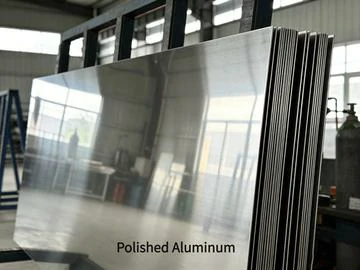
- Polished surfaces reach a high-gloss surface effect for aluminum (near-mirror) and often need a clear coat or anodize.
- Bead blasting yields a matte finish that hides machining marks and fingerprints—great before black anodizing.
These textures pair well with Type II anodize to create durable metallic finishes for consumer electronics, architectural interiors, and furniture. If you want a uniform matte aluminum finish, bead-blast + black hard-coat is a reliable stack. This process directly affects the surface of aluminum products, ensuring consistent texture and appearance.
Chemical conversion coatings (chromate and chromate-free)
Conversion coatings are very thin films formed on the surface of aluminum. They promote paint adhesion, add basic corrosion protection, and keep electrical conductivity where you need grounding or shielding.
- Chromate conversion coat has been the legacy standard but involves hexavalent chromium.
- Trivalent and non-chrome (zirconium/titanium) versions are widely used to meet regulations.
- When to use: Industrial enclosures, aerospace hardware, electronics housings, any aluminum component that will be powder coated and must stay conductive at contact points.
If you ask, “Which finish keeps aluminum electrically conductive?”—the answer is usually conversion coating (no paint on contact surfaces), while powder coating and anodizing are mostly insulating.
Anodizing (Types I, II, III)
Anodizing thickens the oxide layer on the surface by electrochemical growth. The result is an integral aluminum oxide film that is hard and wear resistant. You can dye it for color, then seal the pores for corrosion resistance. Selecting the right anodize type ensures the aluminum finish for your project meets both functional and visual requirements.
- Type I (Chromic): very thin film, good for fatigue-critical aerospace parts.
- Type II (Sulfuric): common decorative and protective finish—clear or dyed.
- Type III (Hard-coat): thicker and harder—best for wear and abrasion.
Essential comparison:
| Anodize type | Typical thickness | Key traits | Common uses |
|---|---|---|---|
| Type I (Chromic) | ~0.2–0.5 mil (5–12 µm) | Thin, good for fatigue-critical parts | Aerospace fasteners, housings |
| Type II (Sulfuric) | ~0.4–1.0 mil (10–25 µm) | Decorative colors, balanced protection | Electronics, architectural trim |
| Type III (Hard-coat) | ~1.0–3.0 mil (25–75 µm) | Very hard, high wear resistance | Pistons, sliding parts, outdoor gear |
When is Type III worth it? If your part slides, pivots, or takes frequent abrasion, hard-coat anodizing delivers the best wear life among common aluminum finish options. For a solid black matte with heat emissivity, a bead-blast + black hard-coat is a strong choice.
Organic coatings: liquid paint, powder, and coil
Organic coatings form a film on the surface. You can pick nearly any color or gloss level. These coatings are particularly popular for exterior applications, offering UV resistance and long-lasting color retention.
- Powder coating: dry powder applied electrostatically, then cured. Thick, tough, and low-VOC from the coating film. Standard choice for industrial enclosures and many exterior parts.
- Liquid paint: solvent or waterborne. Useful for complex colors or where field touch-up is needed.
- Coil coating: pre-finished sheet with controlled film quality; often used for panels and cladding. PVDF coil systems lead for UV stability and long-term color retention.
Architects use AAMA 2604/2605 to set performance tiers for powder and liquid coatings outdoors. If you want 20+ years of color hold, choose AAMA 2605 or PVDF.
What’s the best coating for aluminum outdoors? For long-term exterior color stability, PVDF or AAMA 2605-level powder is the top tier. For heavy wear, pick Type III anodizing instead.
Plating and specialty
You can plate aluminum with electroless nickel, nickel/chrome, or copper using a zincate step to promote adhesion. Why plate?
- Solderability or high electrical conductivity.
- A specific cosmetic “chrome” look on automotive or appliance trim.
- Chemical exposure where EN or EN + PTFE helps.
Other specialty finishes include PVD, e-coat, and metallic paints with aluminum pigments for a chrome-like appearance on complex shapes.
What is the alternative to anodizing aluminium when you need strong color stability outdoors? PVDF or high-grade powder to AAMA 2605 is the go-to alternative. If you need conductivity, pick a conversion coat under paint or keep contact areas uncoated.
How to Choose an Aluminum Finish (Decision Framework)
A clear choice starts by ranking your risks and goals.
- Environmentseverity: interior dry (low), exterior urban (medium), coastal/marine or industrial/chemical (high), high abrasion (special case). Knowing the exposure level helps determine the resistance of aluminum required to withstand corrosion, wear, and environmental stresses.
- Aesthetics: natural metallic depth (anodize), solid colors (powder/PVDF), matte non-glare (bead-blast + black anodize). Consider which common types of aluminum finishes fit your desired look while maintaining protection.
- Function: wear (Type III), UV stability (PVDF/2605), conductivity (conversion coat), emissivity (black anodize), dielectric insulation (powder/anodize). Prioritize finishes that match the functional needs of your parts, such as sliding components, architectural panels, or electronics housings.
- Budget and lifecycle: Is this a prototype, low-cost production run, or a premium long-life system? Higher upfront costs may save money over the product’s lifecycle if they reduce maintenance or extend repaint intervals.
- Compliance/sustainability: chromate-free conversion, lower VOC powders, and recycling impacts. Selecting environmentally responsible options supports sustainability goals without sacrificing performance.
Put it together:
- If you need a finish for furniture and architectural interiors with a metallic look: Type II anodize on a brushed or satin base.
- For exterior façades with a 20–25-year warranty: AAMA 2605 powder or PVDF coil coating.
- For industrial parts needing paint adhesion and some conductivity: non-chrome conversion coat + powder.
- For marine parts on 5xxx/6xxx aluminum alloy families: Type II or III anodize, sealed; use PVDF if you need brand color across large panels.
- For high-wear parts: Type III hard-coat, sealed, with attention to edge radii and masking.

Performance & Standards to Specify
When you write a spec, cite standards and minimums:
- Corrosion testing: salt spray (ASTM B117) for comparative screening; UV/weathering by AAMA tiers for coatings.
- Anodizing: MIL-PRF-8625 Types I/II/III; specify thickness, dye (if any), and sealing. Include growth vs. penetration if dimensions are tight.
- Architectural coatings: AAMA 2603/2604/2605 for powder/liquid coatings; AAMA 611 for anodized aluminum.
- Sector references: aerospace/defense use MIL and OEM specs; automotive uses internal OEM standards for chip resistance and UV.
A simple note in your drawing can save rework: “Finish: Anodize per MIL-PRF-8625, Type III, 2.0–2.5 mils, dyed black, hot DI seal. Alloy 6061-T6. Mask threads. Bead-blast before anodize for matte.”
Market & Trend Snapshot
The numbers tell a clear story: aluminum finishes are growing across sectors. Use this as context when you justify a higher-grade finish for long life.
| Segment | Current value | Forecast | CAGR | Notes |
|---|---|---|---|---|
| Aluminum coating/finishing | ~$6.47B (2025) | ~$9.75B (2034) | ~4.7% | Organic + inorganic finishes |
| Metal anodizing | ~$2.06B (2025) | ~$2.67B (2030) | ~5.3% | Black hard-coat growing fastest |
| Aluminum sheets & coils | ~$55.5B (2025) | ~$99.5B (2035) | ~6.0% | 5xxx alloys ~30% share (2025) |
| Mill-finished extrusions | ~49% share (2025) | — | — | Cost-driven usage |
| Aluminum cladding | — | ~$7.15B (2025) | — | Heavy PVDF/anodized reliance |
The trend is clear: more hard-coat anodizing in electronics, more PVDF and AAMA 2605 in façades, and steady use of mill finish for cost and upstream processing.
Application Guides
Understanding the different aluminum finishes is only the first step; knowing how and where to apply them is just as critical. Application guides help you match the right finish to specific aluminum products, environmental conditions, and performance requirements.
Architectural façades
For long-life exterior work—curtain walls, storefronts, panels—PVDF and AAMA 2604/2605 powder coats lead for UV and color/gloss retention. Many projects blend anodized champagne/bronze accents for a natural metallic depth with matte dark tones elsewhere. The aluminum finish offers excellent protection against weathering while maintaining aesthetic appeal. Want 15–25-year warranties and fewer repaints? PVDF or 2605 is the safe pick. If you love the metallic “alive” look, choose AAMA 611 architectural anodizing and match alloy across lots to control color shift, as the oxide film on aluminum enhances durability and color consistency.
Transportation and automotive
Trim and roof rails often use Type II anodize for a durable metallic look. Wheels and underbody parts face chips and salt; powder coating or hard anodize handles abuse better than thin clear coats. Lightweighting means more aluminum in new models, so coatings for aluminum that control stone-chip corrosion and UV will continue to expand. In this sector, the surface effect for aluminum automotive parts is critical, balancing visual appeal with functional wear resistance.
Electronics and consumer goods
Premium aluminum products often start with brushing or bead blasting, then clear or black anodizing. For data-center and audio gear, matte black hard anodize boosts emissivity and hides wear. Polished sections can achieve a high-gloss surface effect for aluminum, adding premium aesthetics to consumer devices. If you need brand colors on small housings, powder coating with a conversion coat underlayer is a flexible route that protects the film on the aluminum surface.
Industrial and marine
Marine parts in 5xxx/6xxx aluminum alloy families do well with Type II or III anodizing and a good seal. For gearboxes, actuators, or sliding components, hard-coat is worth the cost. For control cabinets or machine frames, a non-chrome conversion coat + powder balances corrosion resistance with some conductivity at ground lugs. Choosing the specific aluminum finishes that suit the alloy and application ensures both protection and performance. Additionally, proper cleaning removes impurities from the aluminum surface, maintaining the integrity of the coating and longevity of the components.
Cost & Lifecycle Economics
Think in bands and life:
- $: Mill finish or conversion coat for basic protection or paint-ready parts.
- $$: Type II anodizing and standard powder coating/paint.
- $$$: PVDF (coil or high-tier powder to AAMA 2605), Type III hard-coat, and multi-step plating stacks.
Lifecycle examples:
- Coastal façade: PVDF costs more upfront than standard powder, but it extends repaint intervals and maintains gloss/color far longer, saving on lifts, labor, and disruptions.
- High-wear cylinders: Hard-coat anodizing reduces replacement and downtime, often paying back the premium within a single maintenance cycle.
Choosing the right finish lets you optimize effects and styles for aluminum while controlling long-term expenses. In some cases, investing in polished aluminum surfaces or specific premium finishes can also enhance aluminum offers in visual appeal and corrosion resistance. By matching your selection to the surface of aluminum components, you can ensure your parts maintain performance and aesthetics over decades.
Design for Finishing (Prevent Problems Early)
Small design choices have a big impact on the final surface finish.
- Geometry: Add radii to sharp edges for better anodic growth and coating coverage. Avoid deep blind holes that trap chemistry.
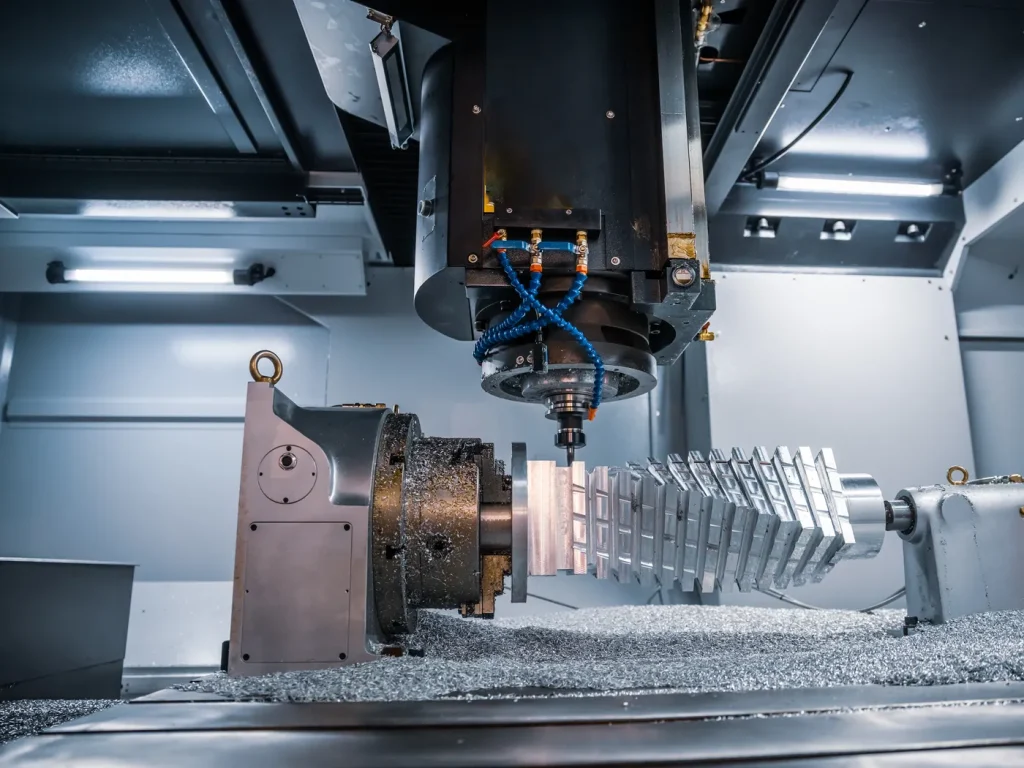
- Masking/fixturing: Threads, sealing surfaces, and ground points often need masking, which adds cost and time—plan them. Planning these features early is crucial, and precision machining can make a significant difference—CNC Milling and CNC Turning services ensure consistent edge radii, precise hole depths, and smooth surfaces, which not only improve anodizing quality but also reduce masking and rework.
- Alloy effects: 5xxx and 6xxx grades of aluminum anodize more uniformly than 7xxx, which can color-shift. Castings may outgas under powder coating; specify a bake-out or choose appropriate coating.
- Surface prep: Aluminum parts are cleaned, degreased, and etched before finishing. Polishing compounds and oils can cause fish-eyes, streaks, or adhesion fails if not removed. Decide early if you need brushing (a mechanical aluminum surface finish) to set the final look.
In short: choose the right aluminum surface finish and design for it, instead of trying to “fix” problems after machining or assembly.

Sustainability & Compliance
- Move toward chromate-free conversion coatings to meet health and environmental rules on hexavalent chromium. Move toward chromate-free conversion coatings to meet health and environmental rules: According to OSHA regulations, hexavalent chromium should be minimized, making trivalent and non-chrome conversion coatings increasingly common in industry.
- Powder coatings cut VOC emissions from the coating film and reduce overspray waste through reclaim.
- Anodized aluminum remains recyclable; coatings can be stripped, but painted/powdered parts may need pretreatment before melting.
- For green building goals, finishes that last longer with low maintenance help reduce embodied carbon over a building’s service life.
Common Problems, Root Causes, and Maintenance
- Anodize issues such as color variation, streaking, and “tiger stripes” often trace back to alloy lot differences, surface preparation, or racking. To minimize these problems, it is recommended to buy from a single lot and use a controlled prep process. Proper finishing for your aluminum products ensures consistent appearance and extends durability.
- Powder and paint issues include chalking or fading under strong sunlight if low-tier coatings are used, orange peel resulting from cure/profile mismatch, and filiform corrosion caused by inadequate pretreatment. Controlling the pretreatment step is crucial to maintain surface effects and styles across your aluminum parts, ensuring both function and visual appeal.
- Conversion coat problems often arise from poor cleaning, rushed drying, or inconsistent process control, leading to adhesion failures. Correct application of surface treatments for your aluminum helps prevent these failures and maintains both protection and conductivity where needed.
- Routine care and maintenance are key: clean with neutral or mild detergents, avoid strong alkalis on anodized surfaces, and prevent aggressive abrasives on coatings. Establishing a schedule for cleaning, particularly in coastal environments, will help preserve the surface finishes for aluminum parts and maintain long-term performance and aesthetics.
Tools and Specs(Conversion-Focused)
- Interactive “Find Your Finish” approach: Define your environment, look, function, and budget to get a shortlist with thickness, sealing, and standards to cite.
- Finish selection checklist (make your own PDF):
- Environment + life target
- Alloy and temper
- Texture (brushed, bead-blast, polish)
- Finish type (with standard)
- Masking map and tolerance impacts
- Cleaning and maintenance plan
- Spec templates you can adapt:
- Anodized aluminum (AAMA 611, MIL-PRF-8625).
- Powder/coil coating (AAMA 2604/2605) with conversion coat pretreatment.
- Conversion coat + paint stacks for enclosures.
Note on Tool Coatings When CNC Milling Aluminum
If your question is “What is the best coating for milling aluminum?” you’re likely talking about cutting tools, not part finishes. For CNC milling and CNC turning of aluminum, common top choices are:
- Uncoated, polished carbide for free-cutting, low built-up edge.
- ZrN (zirconium nitride) to reduce sticking.
- TiB2 (titanium diboride) for gummy grades; great anti-adhesion.
- DLC for abrasive or high-silicon aluminum; very low friction.
These coatings help you get a clean surface finish on machined aluminum before you apply your final finish for your aluminum parts, such as anodize or powder.
Summary — Key Takeaways on Aluminum Finishes
- Choose by environment, aesthetics, and lifecycle: anodizing for metallic durability and wear, PVDF/2605 powder for exterior color stability, conversion coats for paint adhesion and conductivity.
- Market momentum favors black hard-coat anodize in electronics and high-performance architectural coatings for façades; mill finish stays common for cost and for parts that get post-finished later.
- To prevent failures, specify standards (AAMA, MIL), call out prep and sealing, design with radii and masking in mind, and align your aluminum alloy with the finish to control color shift.
Still asking, “What is the best finish for aluminum?” Here’s the plain answer:
- For exterior color that must last: PVDF or AAMA 2605 powder.
- For wear: Type III hard-coat anodizing.
- For a premium metallic look indoors: brushed + Type II anodize.
- For conductivity with paint: conversion coat + powder.
- For baseline stock or hidden parts: mill finish.
And if you need a simple list of protective coating families used on aluminum, think in fours: anodizing, conversion coatings, organic coatings (powder/paint/PVDF), and plating/specialty films. Those four cover almost every need you’ll face.

FAQs
There’s no single finish that works for every aluminum part—it really depends on how you’ll use it. For parts that face wear or harsh environments, hard anodizing (Type III) is a solid choice because it forms a very tough layer of aluminum oxide (layer of aluminum oxide) that resists scratches and corrosion. If your goal is vibrant colors and a uniform appearance for visible parts, powder coating offers durability plus aesthetic flexibility. Conversion coatings are useful when you need some corrosion protection but also want to maintain electrical conductivity for grounding points, acting as a reliable chemical finish in many cases. For prototypes or hidden components, sometimes the simplest mill finish is enough. Ultimately, the best finish is a balance of durability, appearance, functionality, and budget, so you pick what matches your part’s real-world demands.
The “standard” aluminum surface finish is typically mill finish, which is essentially the as-produced surface straight from extrusion or rolling. Mill finish shows the natural texture of the metal, slight die lines, and the thin oxide film that forms naturally. It’s cost-effective, easy to machine, and often used for parts that will receive additional finishing later, like anodizing or painting. Mill finish is common for hidden structures, stock material, or components that require further customization. While it’s not ideal for long-term outdoor exposure, it provides a flexible base for other treatments and is the default choice in many industries because of its simplicity and adaptability.
If anodizing isn’t suitable, several alternatives can deliver protection and appearance. Chemical conversion coatings create a thin protective layer that improves corrosion resistance and paint adhesion while sometimes preserving conductivity. Powder coating is another option, offering strong weather resistance and a wide range of colors for design flexibility. Traditional liquid paints can also work for complex colors or field touch-ups, though they may need more maintenance over time. The choice depends on whether you prioritize durability, aesthetics, or specific functionality like conductivity or UV stability. Essentially, you can achieve similar protection or look without anodizing by selecting the right combination of coatings.
For aluminum parts that are CNC milled, the “best” coating depends on the part’s intended use. Hard anodizing works well when wear resistance and corrosion protection are key because it forms a thick, durable oxide layer. Powder coating can provide excellent outdoor protection and consistent color, while also shielding milled surfaces from corrosion. If electrical conductivity or adhesion for a secondary paint layer is important, chemical conversion coatings are ideal. For internal or hidden parts that don’t face harsh conditions, finishing may not be necessary beyond careful machining. Choosing the right coating ensures the milled surface performs as expected, prevents early wear, and maintains its aesthetic or functional properties.
The “best” aluminum coating depends on what the part will experience. For high-wear or outdoor parts, hard anodizing provides strong resistance to abrasion and corrosion. For exterior applications that need color retention and UV protection, powder coating is a reliable choice. If the part needs to maintain electrical contact points or grounding surfaces while also offering some corrosion resistance, conversion coatings work well. In cases where a decorative look is important, traditional liquid paints can be applied, though they may require occasional maintenance. The best coating balances function, protection, aesthetics, and cost for your specific project.
Aluminum commonly relies on four main types of protective coatings. First, anodizing thickens the natural oxide layer for excellent wear and corrosion resistance. Second, powder coating provides a durable, colorful surface with strong weather resistance. Third, chemical conversion coatings create a thin protective film that improves paint adhesion and maintains electrical conductivity. Finally, liquid painting is used when visual appearance or color variety is a priority, though it may need more upkeep. Together, these coatings cover most functional and aesthetic needs, from industrial durability to premium visual finishes, giving designers and engineers flexibility depending on the aluminum part’s application. In general, aluminum surface treatment providesboth protection and the desired look for almost every use case.

 English
  German
  French
  Italian
  Spanish
  Polish
  Czech
Czech  Japanese