
The Critical Role of Precision Medical Machining
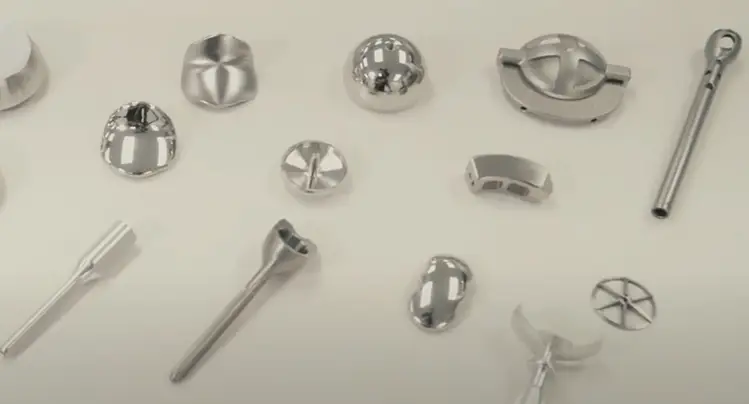
The modern healthcare industry revolves around precision medical machining, which allows the production of medical parts that can satisfy the high standards of life-saving medical equipment. These medical device components range between surgical instruments to medical implants and they have to be produced with utmost accuracy so that they can work perfectly in the human body. It is not just a field of shaping materials, but it is a field of safety, reliability, and performance in high-stakes environments.
The quality parts made byprecision medical machining are critical to high-tech medical devices like surgical robots, diagnostic equipment, and medical implants. The individual precision components should be made to exceptionally tight tolerances and biocompatibility requirements to facilitate complex parts and enhance patient outcomes. Such accuracy not only facilitates the operation of devices but also the confidence that healthcare professionals and patients have in them.
The precision medical machining standards are some of the highest in any industry considering the possible repercussions of failure. As opposed to other areas, where a malfunction can cause inconvenience or repair expenses, a mistake in medical parts can affect human lives directly. With the ongoing development of medical technology, the demand of even more accurate and innovative manufacturing methods is also growing, which is why precision medical machining has become an essential pillar of contemporary healthcare.
Unpacking Precision Medical Machining: Core Elements and Technologies
*This video explain why it’s the go-to solution for producing precision medical components, showcase some real-world applications, and offer insights on selecting materials.
In order to have a complete picture of precision medical machining, one must look at its basic elements. It is composed of several superior methods, materials science, and a steady adherence to high quality standards. All the components are important in the structural integrity and functional performance of the end medical device.
Achieving Ultra-Tight Tolerances and Superior Surface Finishes
The quest to achieve perfection in the medical components of medical devices usually comes down to two important parameters; ultra-tight tolerances and excellent surface finishes. Consider it as designing a microscopic puzzle in which all the pieces have to fit perfectly, not only to assemble, but to work in the fragile biological system. The tolerances in this industry are commonly in microns– a fraction of a human hair. Such accuracy is not negotiable when it comes to small parts that need to fit together, avoid undesirable friction, or dispense medication accurately. As an example, the ideal fit of an orthopedic implant into bone, or the steady flow through a small catheter, depends completely on these tight tolerances.
In addition to the dimensions, the surface finish of a medical part may be equally important. An irregular surface, which is not visible to the naked eye, may serve as a source of bacteria, cause wear and tear, or even cause undesirable biological responses when implanted. Thus, the most important thing is to obtain mirror-like finishes, which are usually measured in nanometers. Here is where such processes as electropolishing are used, which polishes the surfaces to near atomic levels, improves biocompatibility, and allows sterilization. It is not only about beauty, it is about removing microscopic flaws that may jeopardize patient care or the life of a device. Hitting these targets consistently is the mark of truly exceptional precision medical machining.
Advanced Machining Techniques Powering Medical Innovation
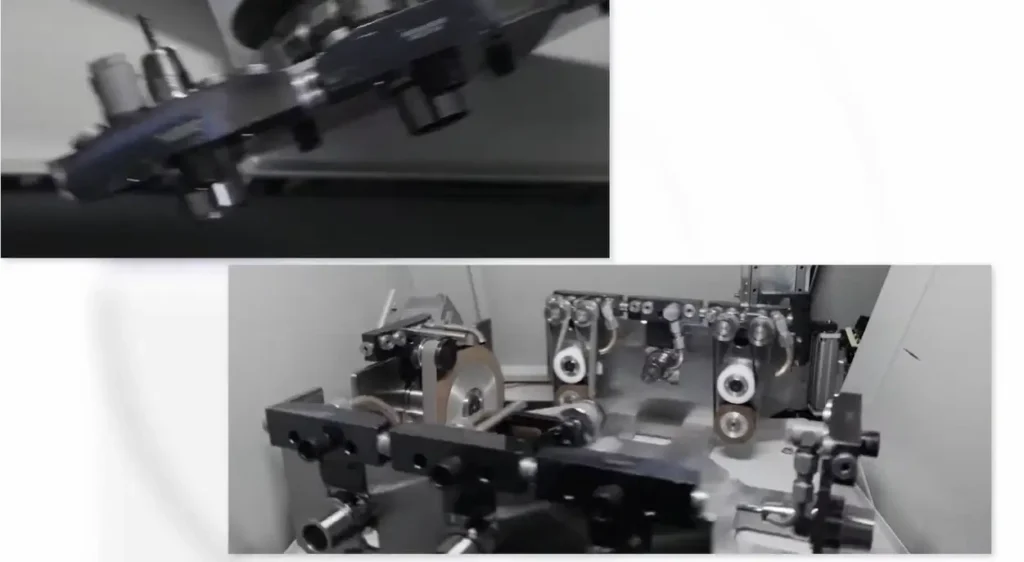
The requirements of the medical device manufacturing industry require a wide range of sophisticated machining methods. The basic principles of material removal are still there, but the implementation is taken to the art level, using the latest technology to achieve geometries that were previously unimaginable.
The unquestioned king of this field is Computer Numerical Control (CNC)machining. This digital maestro controls all the motions of the cutting tools with precision and repeatability that is unmatched. Among the wide range of CNC machines, there are some specific methods that cannot be neglected:
- CNC Milling: This is a process that uses rotating multi-point cutting tools to cut a workpiece. In the medical field, advanced multi-axis milling machines (3-axis, 4-axis, and particularly 5-axis) are commonly used to produce highly complex, three-dimensional shapes of parts such as complex surgical instruments, implantable devices with organic shapes, and housing of diagnostic equipment. The capability to machine at various angles without re-fixturing saves a lot of errors and increases efficiency.
- CNC Turning: CNC turning is best suited to cylindrical components, and it is a process in which the workpiece is rotated against a fixed cutting tool. Precision medical turning makes everything including the shafts of surgical drills and small parts of drug delivery systems. Turning centers can also be used to do secondary operations such as drilling and milling when combined with live tooling, which means that the part does not have to be moved to another machine, which makes it more accurate and faster.
- CNC Swiss Machining: Also known as just Swiss machining, this is the key to miniaturization in medical equipment. Imagine a screw of bone, no bigger than a grain of rice, but threaded and shaped to perfection. Swiss machines operate by passing the bar stock through a guide bushing, so that the cutting tool can be brought very near to the support point. This reduces deflection and vibration, allowing the manufacture of very small parts, long and slender components with very tight tolerances and high surface finishes. It is a niche competency, critical to catheters, endoscopic parts, and other micro-implants.
In addition to these main processes, other processes such as Wire Electrical Discharge Machining (EDM) are important in machining complex shapes in difficult to machine materials or producing very small features without mechanical stress. The combination of these new technologies enables medical manufacturers to realize even the most ambitious designs of medical devices.
Innovative Materials Enabling Next-Gen Devices
The material selection in the manufacturing of medical devices is not just a matter of preference but a crucial decision based on factors such as biocompatible materials, strength to weight ratio, corrosion resistance, sterilizability and long term performance in the human bodyor in a particular medical setting. Precision medical machining is skilled in handling a wide, but very specific, range of materials. Metals are the kings of many high-stress or implantable applications:
- Stainless Steel (300 and 400 series, particularly 316L): A workhorse material, with good corrosion resistance, strength, and sterilizability. It is commonly applied in surgical tools, medical fasteners, and certain non-implantable medical parts. We are adept at working with various grades of stainless steel.
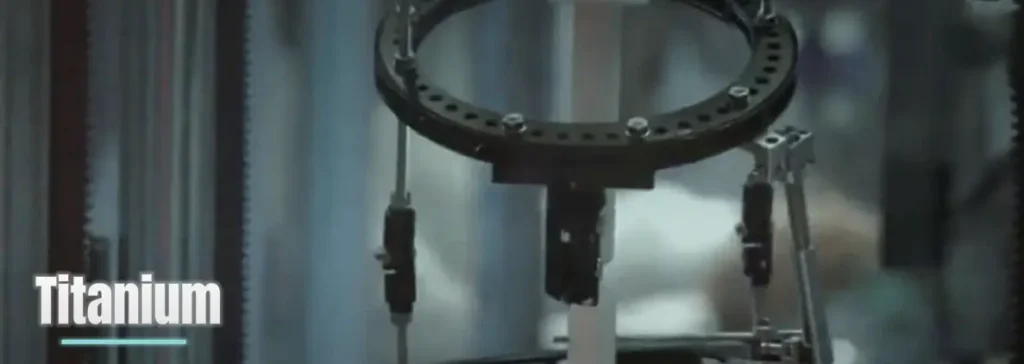
- Titanium and Titanium Alloys (e.g., Ti-6Al-4V ELI): The gold standard of implantable devices. It is highly biocompatible materials, has a high strength-to-weight ratio and can be used in orthopedic implants, dental implants and cardiovascular components. Titanium is a tough material that generates heat and therefore needs special tools and methods to machine.
- Cobalt-Chrome Alloys: These alloys are characterized by high wear resistance and strength and are commonly used in joint replacements (hip and knee) and certain surgical instruments.
- Specialty Alloys (e.g. Inconel, Kovar): These are used in special applications where special properties are needed such as high temperature resistance or controlled thermal expansion, usually in diagnostic equipment or special sensors.
The versatility and special properties of Medical-Grade Plastics are becoming more and more important:

- PEEK (Polyether Ether Ketone): PEEK is a high-performance thermoplastic with good strength, biocompatibility and chemical resistance. It is also finding application in spinal implants, orthopedic parts, and surgical instrument handles, in some cases replacing metal.
- UHMW PE (Ultra-High Molecular Weight Polyethylene): Low friction, high wear resistance, used in joint replacement parts.
- Delrin (Acetal) and Nylon: Applied in a wide range of non-implantable medical parts, prototypes, and components that need good mechanical properties and machinability.
- Polycarbonate and Acrylic: These are commonly used in transparent parts, housings and prototypes where optical clarity is a factor.
The machining of such a variety of materials requires not only the appropriate equipment, but also a thorough knowledgeable staff of the peculiarities of machining these materials. Feed rates, spindle speeds, cutting tool geometries, andcoolant strategies all need to be carefully optimized per material to obtain the desired precision and surface integrity, without degrading the material or causing stress.
Navigating Quality, Compliance, and Certification in Medical Machining
In the highly regulated world of medical device manufacturing, quality and compliance are foundational principles rather than optional goals. For precision medical machining partners, meeting stringent standards is a prerequisite that ensures every medical component not only aligns with design specifications but also supports the overall safety and effectiveness of the final device. This meticulous attention to high quality differentiates trustworthy suppliers from the merely adequate and underpins the reliability of devices that impact patient lives. Regulatory compliance in the medical industry is governed by a complex network of standards, with ISO certifications serving as critical benchmarks. ISO 9001:2015sets the general foundation for quality management systems, signaling a machining partner’s commitment to consistent output, process control, and customer satisfaction. ISO 13485:2016, however, is specifically tailored to medical device manufacturing, requiring a more rigorous quality management system that includes design, production, servicing, and disposal of devices. This certification demands strict risk management, traceability, and documentation — often making it a non-negotiable qualification for suppliers working with OEMs in the medical field. Compliance also extends to alignment with regulations set by authorities such as the U.S. Food and Drug Administration (FDA) and their global counterparts. Although machining partners do not typically submit directly to the FDA, their processes must support OEM compliance through complete traceability, environmental control (such as cleanroom manufacturing), and validated production workflows. In the event of a product issue, traceability systems must enable identification of every raw material lot, machine, operator, and inspection involved in producing a medical component. Furthermore, cleanliness is critical, especially for surgical or implantable parts, requiring specialized cleaning techniques like ultrasonic cleaning, passivation, and contamination-free packaging. A capable machining partner integrates these quality and compliance measures into their operations from the outset—not as afterthoughts, but as essential elements of their manufacturing ethos.
Diverse Applications: Where Precision Medical Machining Makes a Difference

Precision medical machining does not apply to a single device or procedure, but is applied throughout the healthcare sector to facilitate innovation and enhance patient outcomes in numerous fields. Precision machining is an important part of the production of medical components, whether it is a small implant or a large diagnostic machine.
| Application Area | Examples | Requirements |
| Orthopedic Devices & Medical Implants | – Joint replacements (hips, knees, shoulders) – Spinal implants – Fixation devices (screws, rods, plates) – Trauma products (bone plates, nails) | – Tight geometries for perfect fit – Biocompatibility – High fatigue strength – Example: precisely machined femoral head for hip replacements |
| Surgical Tools | – Endoscopic graspers – Biopsy needles – Robotic surgical components | – High precision – Specific surface finishes for hygiene – Material durability under sterilization |
| Diagnostic & Imaging Equipment | – CT scanner parts – MRI machine components – X-ray system elements – Ultrasound device internals | – Tight tolerances for accuracy – Reliable signal transmission – Complex mechanical assemblies with critical alignment and cooling functions |
| Drug Delivery Systems | – Microfluidic devices – Insulin pump parts – Nebulizer components – Specialized syringe barrels | – Precise internal geometries – Controlled flow and dosage – Consistency in micro-scale features |
| Dental Implants & Prosthetics | – Implant screws – Abutments – Crowns | – Custom-machined to match patient anatomy – Long-term fit and stability – Integration of multiple precision parts |
Medical machining is an aid to advancement in all medical areas. It converts technical designs into practical elements that lead to proper diagnosis, effective treatment, and better quality of life. Every application, no matter how small or complex the part is, is significant in the contemporary healthcare systems.
Selecting the Right Precision Machining Partner
The process of taking a new medical device through the concept to market is a complex process and choosing a manufacturing partner is one of the most crucial. This choice can make or break a project in precision medical machining. It is not just about hiring a vendor, it is about collaborating with a specialist who is aware of the peculiarities of the medical industry and its stringent demands. The appropriate collaboration guarantees the fulfillment of technical and regulatory requirements during the development process.
There are a number of important aspects to be taken into consideration when assessing potential partners.
- To begin with, one must have experience in medical machining. This is a very specialized area and requires knowledge of biocompatible materials, cleanroom requirements and regulatory requirements. An established track record of manufacturing medical device parts means that the partner is aware of the essential information that can be used to facilitate a successful project.
- Second, technological capability is not negotiable. The best partner must provide high-end CNC machining capabilities like multi-axis CNC milling and Swiss turning, and precision inspection equipment like coordinate measuring machines (CMMs) and optical systems to reach micron-level precision. The major manufacturers are constantly investing in new technologies to keep the standards high and remain competitive.
- An effective quality and compliance system is also necessary. Although ISO 13485 certification is a minimum requirement, quality assurance is a complete system that encompasses material sourcing, process validation, final inspection, and complete documentation. Companies that incorporate compliance into their business are more reliable and consistent in their results.
- Lastly, assess their teamwork style. The development of medical devices is frequently iterative, and it is desirable that the manufacturer can contribute design for manufacturability (DFM) feedback and participate in the design process early.
A good partner will add to engineering conversations, assist in finding possible problems, and aid in the effort to shorten development time and get products to market more effectively.
U-Need’s Differentiators in Medical Machining

Pin Gauges

Profile Projector

Height Gauge

Push-Pull Tester

Circular Runout Gauge

2.5D Vision Measuring Machine

Coordinate Measuring Machine

Micrometer

Hardness Tester
At U-Need, we recognize that precision medical machining is not just about producing parts—it’s about enabling life-critical technologies to succeed under the highest industry demands. With over three decades of experience in precision manufacturing, our engineering team—averaging 15+ years individuallyhas supported hundreds of international clients through highly regulated sectors, including medical. We’ve delivered more than 35,000 unique, high-precision components, many of which require tolerances as tight as ±0.001mm, micro-level chamfers, and performance reliability that surpasses OEM specifications. This depth of experience gives us a unique edge in supporting complex, high-stakes medical device projects from concept to scale-up.
Our technological infrastructure is built for complexity and consistency. We operate an integrated production line that covers CNC turning, milling, grinding, EDM, wire cutting, and more—all under one roof. For ultra-fine medical applications, such as components with 0.1mm wall thickness or internal radii of 0.02mm, we leverage PG optical curve grinding and mirror-surface EDM, followed by expert-level manual polishing. Our equipment lineup includes world-class machinery from Japan and Switzerland, ensuring process stability and repeatability. By minimizing setup transfers through multi-process integration, we also reduce dimensional deviation—an, an essential advantage for tight-tolerance parts often used in surgical or diagnostic instruments.
What truly differentiates U-Need is our commitment to quality and collaborative execution. As an ISO 9001:2015 certified factory, we follow a triple-inspection protocol—covering incoming materials, in-process controls, and final part validation—with advanced tools likeCMMs, 2.5D projectors, and dial indicators. We handle over 20 surface treatment options tailored to functional or aesthetic needs, from hard anodizing to medical-grade PVD coatings. With 24-hour quoting, 3–5 day prototyping, and a responsive technical team trained to offer DFM insight, we don’t just manufacture parts—we help accelerate your product’s path to market with confidence and precision.
The Future Landscape of Medical Device Manufacturing
The future of precision medical machining is directly related to the scorching pace of healthcare technology. As medicine becomes more personalized, preventative, and digitally connected, the manufacturing processes must become more complex and performant. Miniaturization is one of the most important trends that are causing this evolution, with small components yet highly functional being developed to be used in implantable sensors, drug delivery systems, and minimally invasive tools. This pushes the limits of conventional medical machining and necessitates more advanced methods such as laser machining, micro-EDM and special Swiss-type lathes with micron accuracy. Meanwhile, smart technologies are transforming the manufacturing process itself: AI and machine learning are being applied to optimize real-time machining parameters, predict tool wear, and enhance quality control. These technologies, along with the advent of IoT-enabled devices, are ushering in a new era of smarter, more autonomous, and efficient production environments.
Along with these shifts,materials science and hybrid manufacturing are rewriting the potential. Traditional materials like titanium and PEEK remain important, but new biocompatible materials, biodegradable polymers, and smart materials responding to biological stimuli are presenting new machining challenges and opportunities. The methods of adapting to these materials should change in order to be capable of addressing their peculiarities. Understanding the basics of precision machining is essential to grasp how it complements hybrid manufacturing processes. In the meantime, the hybridization of additive manufacturing (3D printing) and precision subtractive processes is yielding powerful hybrid workflows. Even though 3D printing has the ability to make complex shapes and rapid prototyping, precision machining can offer tight tolerances and surface finishes required in critical applications. This synergy accelerates development and enhances design freedom of highly customized medical devices. All these trends indicate an active future full of unstoppable innovation, further digitalization, and continuous attempts to address the sophisticated needs of modern healthcare.
Conclusion: Driving Innovation in Healthcare Through Precision
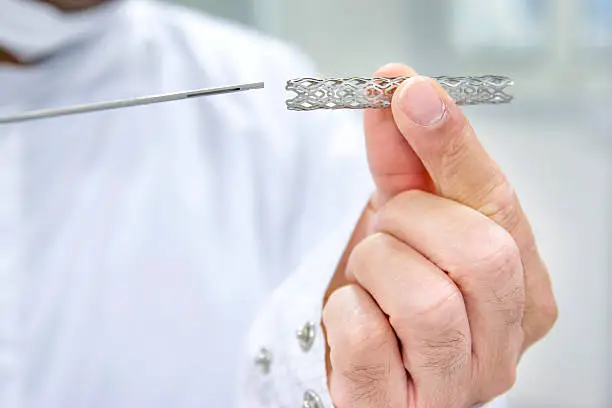
Precision medical machining is not just a manufacturing field, but a pillar of contemporary healthcare innovation. Whether it is microscopic parts of implants or the complex parts of surgical instruments, the key to success is the capacity to provide quality parts with unparalleled accuracy, high quality and reliability. The ability to work with exceptionally tight tolerances, the use of advanced methods such as CNC Swiss machining, and a profound understanding of biocompatible materials are the core competencies that define the future of medical devices. The medical industry is also committed to quality and compliance, which is equally important. Certifications such as ISO 13485 and compliance with international regulatory requirements are not mere benchmarks, but ethical obligations that guarantee patient safety and effectiveness of medical procedures.
As a precision medical machining partner, we at U-Need understand that every component has a direct connection to people outcomes. That’s why we go beyond machining—we integrate early-stage design feedback, fast quoting (within 24 hours), and rapid prototyping (in as little as 3–5 days) to help our clients accelerate validation and move confidently through development cycles. With flexible MOQ starting from just one piece, and the ability to adapt to small-batch, high-mix projects, we’re built for agility. Our multilingual engineering team is trained to support international clients with clear, technically accurate communication, ensuring that complex requirements are translated into manufacturable realities. In a landscape driven by miniaturization, smart integration, and compliance, we stand as both a production partner and a problem-solving collaborator—delivering precision that drives medical progress.


 English
  German
  French
  Italian
  Spanish
  Polish
  Czech
Czech  Japanese