
Looking for a fast, reliable guide to mild steel properties grades and uses? This low‑carbon steel is the world’s workhorse—affordable, weldable, and widely recycled—powering construction, automotive, machinery, and art. Below is your quick, data‑driven playbook to choose the right grade, protect against corrosion, and optimize cost and performance.
Quick Answer: What is Mild Steel?
Mild steel is a low‑carbon steel with about 0.05–0.30% carbon, valued for ductility, weldability, machinability, and low cost.
- At‑a‑glance metrics:
- Typical yield strength: ≈250 MPa
- Typical tensile strength: ≈400–550 MPa (depends on grade and processing)
- Recyclability: >70% of steel is recycled globally
- Carbon footprint: ≈1.85 t CO₂ per ton of steel produced (can be lower with high scrap and renewables)
- Global production: ≈1.9 billion metric tons of steel in 2022; mild steel is a major share
The big wins are formability, availability, and affordability. The trade‑offs are corrosion risk if left uncoated and lower strength than higher‑carbon or alloy steels.
Mild Steel Properties, Grades and Uses
To work effectively with mild steel, it helps to understand how its low-carbon chemistry shapes its behavior. The following section breaks down the core properties, common grades across global standards, and the practical uses that make mild steel the most widely applied metal in modern manufacturing and construction.
Properties snapshot
- Composition: Iron base with about 0.05–0.30% C; plus manganese and silicon in small amounts
- Mechanical: Ductile, malleable, and tough at room temperature; typical strengths noted above
- Processing: Excellent weldability (arc welding, MIG, TIG), machinability, forming, and bending
- Magnetic behavior: Ferromagnetic due to high iron content (good magnetic properties)
- Corrosion: Rusts without corrosion protection; common fixes are paint, galvanizing, and powder coating
Common grades and standards
- EN structural steel: S235JR
- Free‑machining steel: EN1A (sulfur for chip‑breaking)
- Concrete reinforcement: 500B rebar category
- ASTM structural baseline: A36
High‑value applications (one‑line each)
- Construction: beams, columns, trusses, and rebar
- Automotive: chassis, panels, and body structures
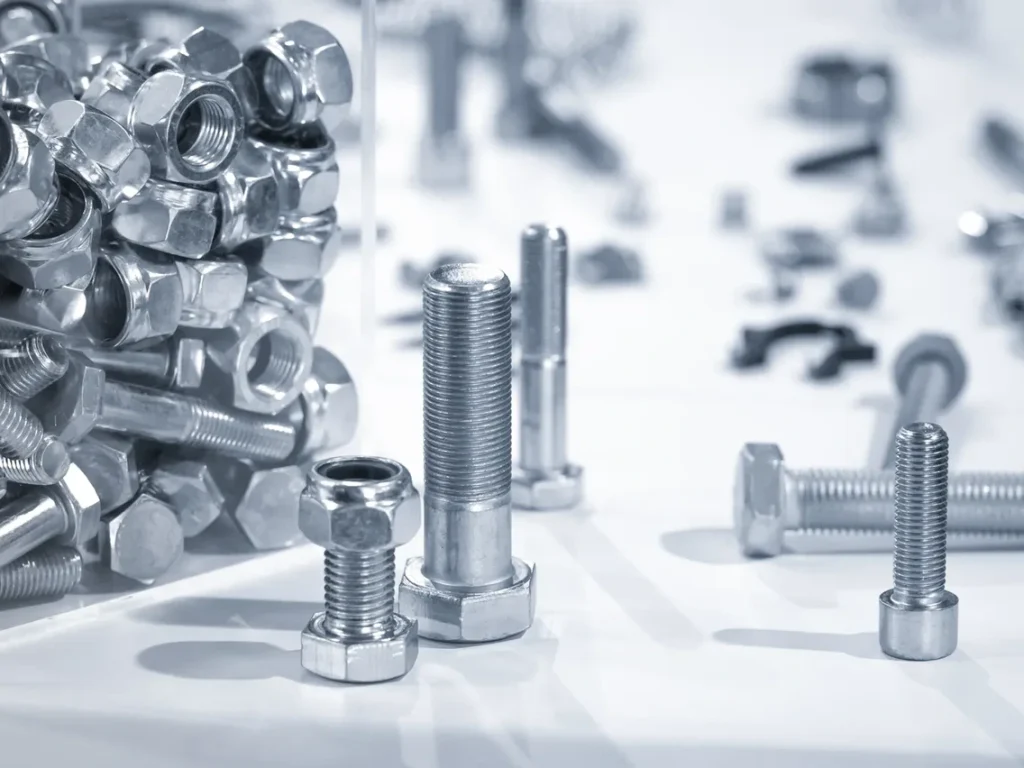
- Manufacturing: fasteners, gears, brackets, general machinery parts
- Pipelines/industrial: oil, gas, water (with coatings or linings)
- Art/fabrication: sculptures, railings, and custom gates

Is mild steel very strong?
It is strong enough for most structural and fabrication needs, but not as strong as medium‑carbon, high‑carbon, or alloy steel. Its superpower is the balance of strength, formability, and cost. If you need very high tensile strength, impact resistance at low temperature, or heat resistance, you may upgrade to another steel type.
Does mild steel rust easily?
Yes, in humid or salty air it will rust without a protective layer. That is why galvanizing, powder coating, or paint systems are common in outdoor use.
How many types of mild steel are there?
In practice, many. Think in families:
- Structural grades (like S235JR or ASTM A36)
- Free‑machining grades (like EN1A)
- Sheet and coil for stamping (cold‑rolled, forming grades)
- Rebar grades (e.g., 500B)
- Specialized pipe and hollow section grades
What products are made from mild steel?
Everything from angles, channels, I‑beams, plates, and sheets to tubes, pipes, fasteners, fittings, machined parts, frames, and decorative metalwork.
Fast Selection Guide: Choose the Right Mild Steel
When choosing among grades of mild steel, start with the job. What do you need the material to do?
Decision points:
- Need strength and stiffness for a frame? Choose a structural grade like S235JR or ASTM A36.
- Want easy machining on a lathe or in CNC milling/CNC turning? Select a free‑cutting grade such as EN1A.
- Expect tight bends or deep drawing? Favor lower‑strength, higher‑ductility sheet grades.
- Will it sit outdoors or near saltwater? Specify galvanizing, paint, powder coat, or cathodic protection—or upgrade material.
- Planning heavy welding applications? Confirm weldability, filler compatibility, and heat‑affected zone toughness.
- Need compliance? Match ASTM/EN/JIS standards in the project spec.
Selection checklist (keep this next to your drawing):
- Thickness and shape: plate, sheet, bar, tube, rebar
- Process plan: weld, machine, form, cut, coat
- Environment: indoor/dry, outdoor/urban, marine/coastal, chemical exposure
- Required life: years of service and maintenance intervals
- Budget: material, processing, coating, delivery, and scrap reuse
Can you CNC mild steel?
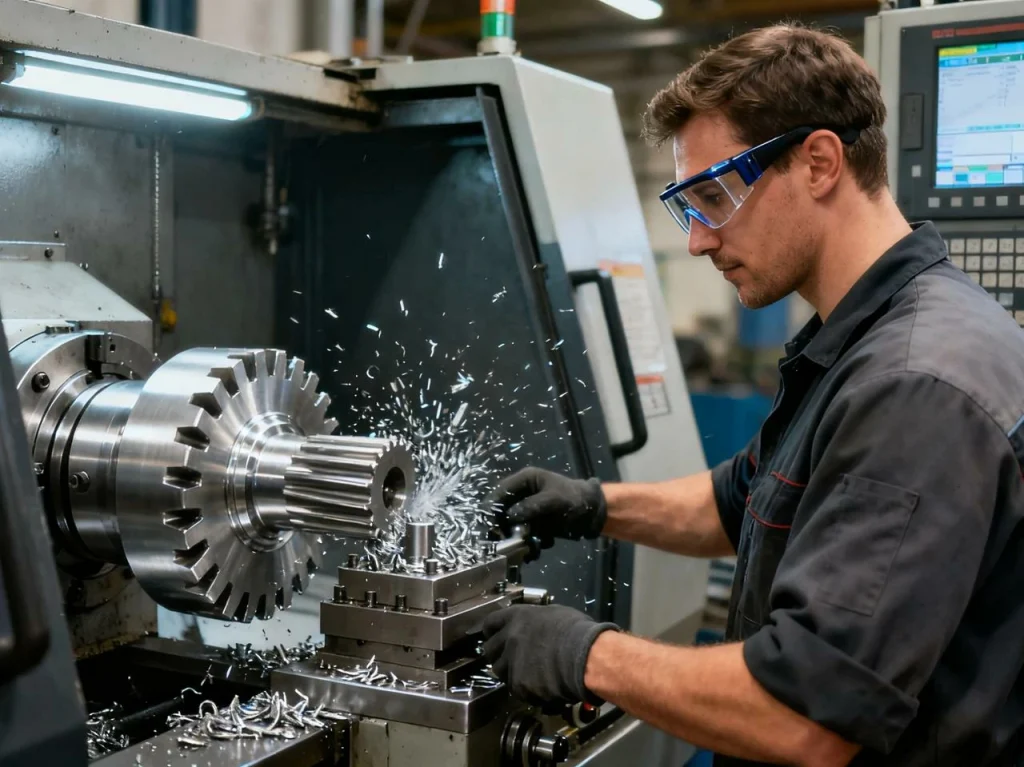
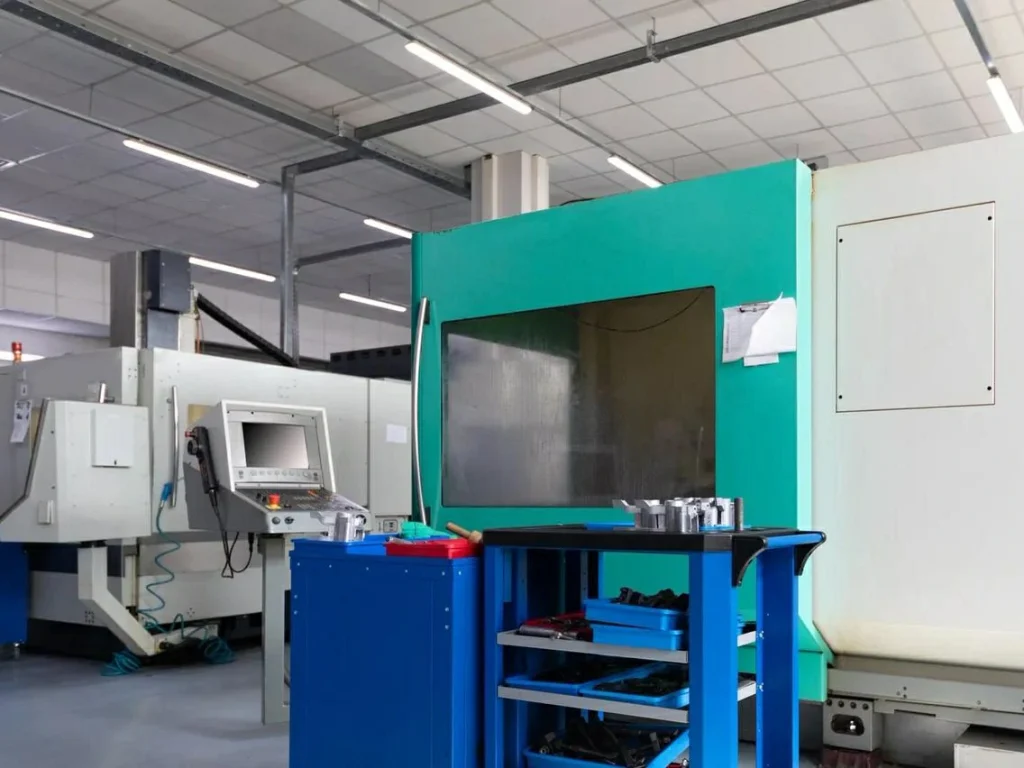
Yes. Mild steel machines well with the right tooling and coolant. For speed and chip control, EN1A is a popular pick. For structural parts that also need machining, you can machine A36 or S235JR, but feeds/speeds may be lower than free‑cutting grades.
If you need precision CNC machining for mild steel or other metal components, U-Need provides high-accuracy CNC milling, turning, and part fabrication services. With advanced equipment and experience, U-Need helps manufacturers achieve tight tolerances, smooth finishes, and reliable production quality for industrial, automotive, and custom fabrication projects.

What is the best mild steel for machining?
For general parts that need fast CNC milling and turning, a free‑machining grade like EN1A (with sulfur and optional lead in some regions) gives short chips and smoother finishes. If welds are critical, choose a low‑sulfur structural grade and tune your machining approach.
Composition, Metallurgy, and Processing
Understanding mild steel starts with its chemical composition. The carbon content of mild steel is low, and that changes how the metal behaves.
Carbon range and effects
The carbon window of about 0.05–0.30% C reduces carbide formation and keeps the matrix mostly ferrite with some pearlite. The result is good ductility, toughness, and weldability, with moderate tensile strength. As carbon content rises, strength and hardenability increase, but ductility and weldability drop.
Role of manganese, silicon, and residuals
Small amounts of manganese improve hardenability and help tie up sulfur to avoid hot shortness. Silicon aids deoxidation and can slightly raise strength. Residuals (like phosphorus and sulfur) are controlled because they can reduce impact strength or weldability. In free‑machining grades, sulfur is added on purpose to break chips and improve cutting; this can reduce impact strength and sometimes weld quality.
Processing routes: hot‑rolled, cold‑rolled, normalized
- Hot‑rolled mild steel is rolled above the recrystallization temperature, giving economical production, scale on the surface, and a coarse finish. It is common for structural shapes and plates.
- Cold‑rolled mild steel is rolled at room temperature, creating a smoother finish, tighter thickness control, and increased strength from work hardening—common in sheet metal and automotive panels that need formability and surface quality.
- Normalized mild steel is heated and air‑cooled to refine grain size and balance strength and ductility. This can improve HAZ toughness and uniformity.
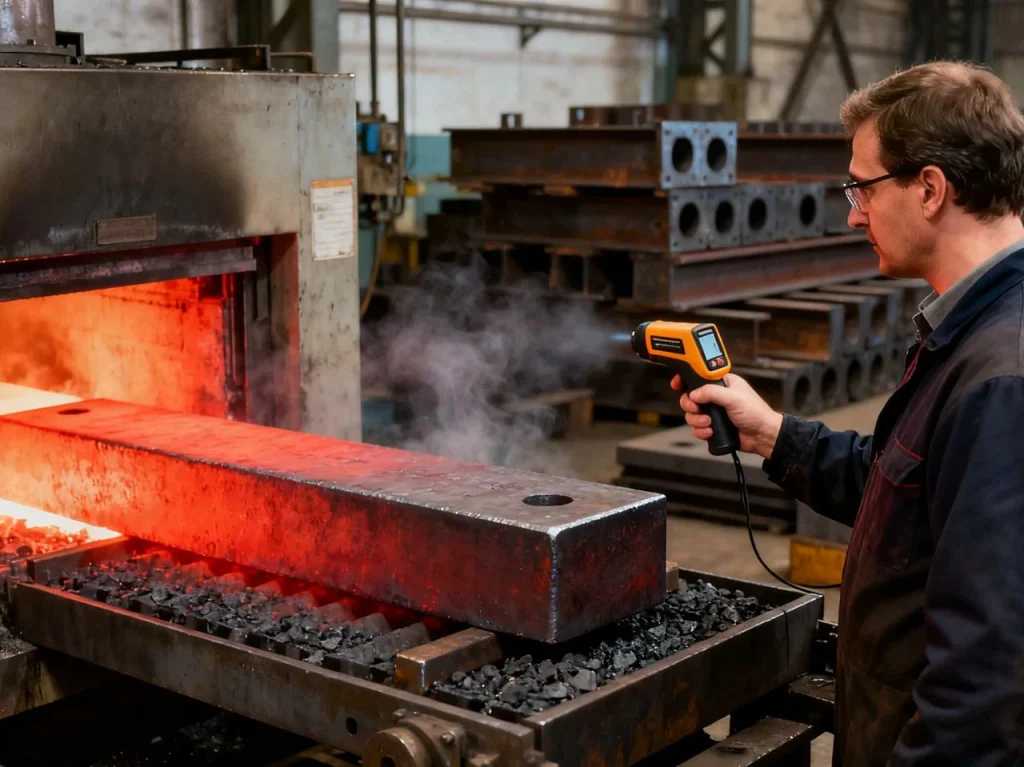
The melting point of steel varies with composition, but mild steel retains a relatively high melting point, near that of pure iron (about 1,538°C), typically in the 1,425–1,530°C range depending on exact chemistry.
Implications for welding, HAZ, and machinability
The lower carbon content allows most arc welding processes with standard consumables. Heat input and preheat practices depend on thickness, restraint, and grade. For HAZ toughness, avoid excessive heat input; if impact performance is needed in cold climates, consult the material test certificate and choose a grade with verified Charpy values.
For machining, mild steel’s composition makes it friendly to turning, milling, and drilling. Adjust speeds/feeds for surface finish and tool life. Free‑machining grades cut faster, but be mindful of weldability trade‑offs if the part will be welded after machining.
Applications and Case Examples
Once you understand the properties and grade families, it becomes easier to see how mild steel performs in real projects. The examples below show how different industries—from construction to automotive to pipelines—select mild steel grades to balance cost, strength, weldability, and long-term durability.
Construction
Mild steel is the backbone of buildings, bridges, and infrastructure. Structural frames use beams, columns, and trusses in grades like S235JR or A36. Rebar such as 500B strengthens concrete. Because mild steel is widely used outdoors, it needs corrosion resistance via coatings. In major stadiums and public works, engineers specify galvanizing for long‑term durability and lower maintenance.
Practical tip: designing a pedestrian bridge? Think about deflection limits, fatigue, and the coating system at the same time you choose the steel grade. It saves rework later.
Automotive
Automakers rely on mild steel in the body‑in‑white, crash structures, and interior reinforcements where formability and energy absorption are critical. While advanced high‑strength steels and aluminum get headlines, low carbon mild steel still fills many panels and brackets because it is easy to stamp, weld, and repair. Analyses of common compact cars often show a high share of mild steel in the body/frame for cost‑efficient safety.
Manufacturing and machinery
In factories, mild steel becomes fasteners, brackets, guards, frames, fixtures, and gear blanks. Why? Steel is suitable for volume production and easy to cut and weld into jigs and supports. For machined shafts or fittings, EN1A speeds up the job; for weldments that also need milling, structural grades are a safer bet.
Art and custom fabrication
Artists and makers choose mild steel because it is forgiving. It bends, welds, and grinds without drama. Outdoor sculptures and railings often start as hot‑rolled plate or tube, then get powder coated or hot‑dip galvanized to enhance the appearance of mild steel and resist weather. If you ever sanded a steel gate and watched it take a smooth coat of paint, you’ve felt why people like working with it.
Industrial pipelines
Mild steel pipe is common in water, gas, and oil systems due to weldability and impact strength at ambient conditions. Yet chemical service changes the game. For sour gas or aggressive fluids, engineers add internal linings, external wraps, and cathodic protection—or they switch to alloy steel or stainless steel where corrosion resistance is essential.
Mild Steel vs Other Steels (fast comparisons)
When do you stick with mild steel, and when do you upgrade? Use the quick comparison below to consider the trade‑offs.
| Steel type | Typical tensile strength | Weldability | Corrosion resistance | Cost (relative) | Common use case |
|---|---|---|---|---|---|
| Mild/low‑carbon steel | 400–550 MPa | Excellent | Low without coating | Low | Structures, sheet metal, general parts |
| Medium/high‑carbon steel | 600–1,200+ MPa | Moderate to poor | Low without coating | Medium | Springs, wear parts, tools (heat‑treated) |
| Alloy steel (low‑alloy) | 600–1,400+ MPa | Good (varies) | Low to medium (improved with alloying) | Medium to high | Pressure vessels, high‑strength shafts |
| Stainless steel | 500–1,200+ MPa | Good (varies) | High (passive film) | High | Food, medical, chemical, marine |
- When to upgrade material:
- Strong acids/bases, chloride splashes, or marine exposure and no coating plan → stainless steel or lined carbon steel
- Very high wear or fatigue → medium/high‑carbon or alloy steel
- High temperatures or pressure → qualified alloy steel grades
- Tight weight limits with high strength → modern HSLA or advanced high‑strength steel families
Corrosion, Coatings, and Maintenance
Corrosion is the main limitation of mild steel, especially in outdoor or industrial environments. Understanding how rust forms—and how to prevent it—helps extend service life and cut lifecycle costs.
Why does mild steel rust?
Mild steel contains a high percentage of iron, and iron reacts readily with oxygen and moisture to form iron oxide (rust). This reaction accelerates when the environment contains chlorides (salt spray, coastal air), industrial pollutants (SO₂, NOₓ), or when water stays trapped in crevices. In controlled indoor spaces with low humidity, corrosion progresses slowly; but in outdoor conditions, a protective system is essential to avoid pitting, scaling, structural weakening, and high maintenance costs.
Common protection methods
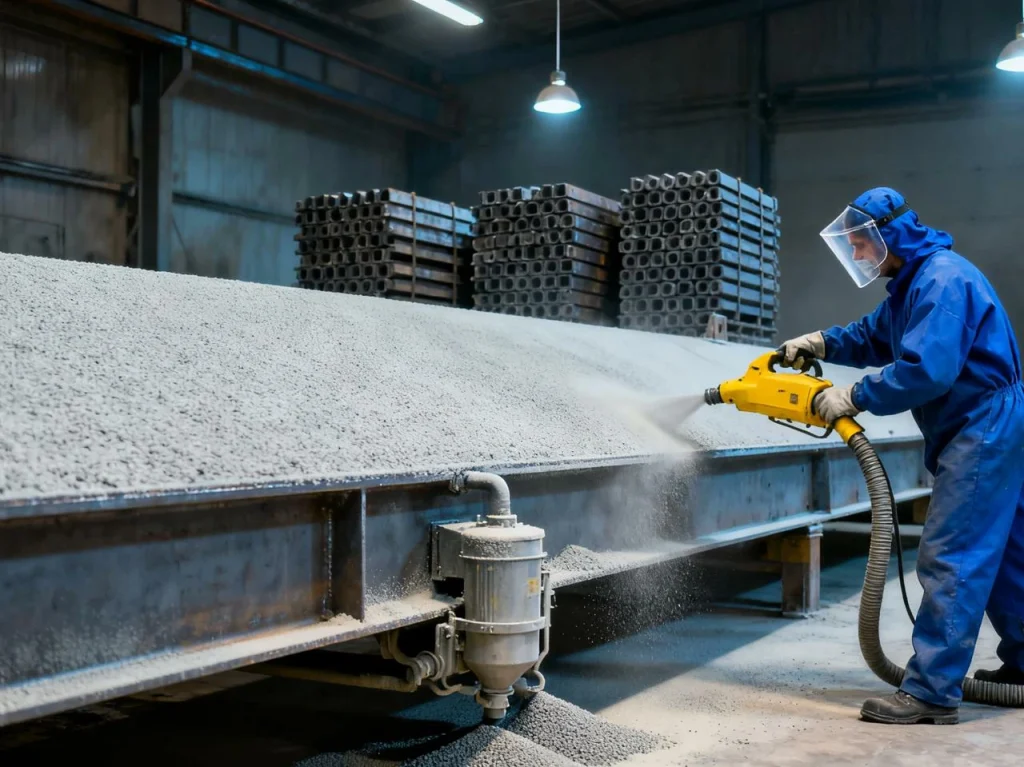
- Paint systems Use a proven coating sequence—typically a zinc-rich primer for adhesion and sacrificial protection, followed by intermediate and topcoats chosen for UV resistance, color retention, and environmental category. Follow ISO guidelines for coating selection based on exposure class (C1–C5 or CX). Good surface prep (abrasive blast cleaning) is critical for long life.
- Powder coating Powder coating provides a smooth, durable, solvent-free finish ideal for architectural railings, furniture, gates, enclosures, and fabrication work. It resists chipping and abrasion better than many liquid paints. For harsh outdoor environments, powder coating performs best when applied over zinc primer or galvanized steel.
- Galvanizing Hot-dip galvanizing immerses the steel in molten zinc, creating a thick, metallurgically bonded zinc-iron alloy layer that protects both by barrier action and sacrificial behavior. It is one of the most cost-effective long-term protections for structural steel, utility poles, guardrails, ladders, and industrial fabrications. Electro-galvanizing deposits a thinner, more cosmetic zinc layer, commonly used for sheet metal that requires excellent surface finish, stamping quality, or paintability.
- Cathodic protection For buried or submerged steel, cathodic protection shields the metal from corrosion by supplying electrons externally. Systems include sacrificial anodes (zinc, magnesium) or impressed current systems with controlled power supply. These are standard in pipelines, tanks, piers, and marine structures.
Lifecycle planning and durability
A coating system is only part of the solution. Long-term durability depends on good lifecycle planning:
- Set inspection intervals based on exposure level, coating type, and criticality of the structure.
- Schedule touch-ups and spot repairs before corrosion spreads or undermines adhesion.
- Budget for recoating cycles, especially in coastal or industrial areas where UV and salt exposure reduce coating life.
- Combine methods for best value: in many structural and outdoor applications, a duplex system (hot-dip galvanizing + paint or powder coat) offers exceptional corrosion resistance and significantly extends service life, often lowering total cost of ownership.
A proactive corrosion and maintenance plan not only preserves structural integrity but also reduces downtime, safety risks, and long-term operational costs.
Sustainability and Carbon Footprint
Steel is a circular material. More than 70% of steel gets recycled, and scrap can be reused many times. The global average CO₂ intensity of steel is about 1.85 t CO₂ per ton of steel, but electric arc furnaces (EAF) with high scrap and renewable electricity can reduce it.
What can buyers do?
- Ask for recycled content, EAF routes, and environmental declarations
- Source from mills that invest in energy efficiency and low‑carbon power
- Design for disassembly and recycling at end of life
This is where ideas like green steel become real for procurement: look at the process route, the scrap percentage, and the power mix.

Market Snapshot and Supplier Insights
Global steel production was about 1.9 billion metric tons in 2022. Mild steel dominates construction and manufacturing, so supply is broad, with many mills and service centers.
What should you look for in a supplier?
- Certifications and traceability (standards compliance on the MTC)
- Reliable QA/QC, heat‑number tracking, and test data
- On‑time delivery, stock range, and cutting/bending services
- Coating options (galvanizing, powder coating, painting)
- Engineering support for welding and forming
- Clear pricing on material + processing + coating + logistics
Want to compare offers? Build a short list based on lead time, mill origin, tolerances, and included services (e.g., CNC cutting, laser, press brake, CNC machining for one‑stop jobs).
Summary and Next Steps
- The key point is simple: mild steel is a low‑carbon, versatile material with good mechanical properties, excellent weldability, and low cost. It covers construction, automotive, manufacturing, pipelines, and art, but it needs corrosion protection outdoors. Choose a grade that fits your process and environment, specify a coating, and confirm standards in your drawings.
- Next steps you can take today:
- Shortlist a grade (e.g., S235JR, A36, or EN1A) based on strength, forming, and machining needs.
- Estimate weight, cost, and carbon for the bill of materials.
- Set a coating plan and an inspection schedule for outdoor parts.
- For critical applications, consult an engineer and the relevant ASTM/EN/JIS standard before release.
FAQs
Low-carbon steel is a type of carbon steel with a low carbon content—typically 0.05–0.30%—and this small amount of carbon shapes its behavior. The physical properties and mechanical properties of mild steel include good ductility, toughness, and ease of forming, plus excellent weldability because the iron and carbon matrix stays mostly ferritic. These properties of low carbon steel also make it suitable for welding and for machining processes such as CNC turning when mild steel products require tight tolerances. In common mild steel descriptions, low-carbon steel is considered the type of steel used for construction frames, automotive stampings, pipes, and general fabrication. Because the production of mild steel focuses on consistency and ease of processing, mild steel is known for uniform performance and broad versatility across industries.
The biggest advantages come from its low carbon content and balanced mechanical properties. Low-carbon steel is affordable, widely available, and easy to cut, bend, weld, and machine. In many guides explaining what is considered mild steel, users highlight that steel with a carbon content in this range delivers reliable strength while staying forgiving during fabrication. It works well for CNC turning, MIG/TIG welding, press braking, and stamping, which is why mild steel is used in so many applications—from brackets and enclosures to frames and automotive parts. Compared with other types of carbon steel or alloy steels, it requires less preheat and offers simpler processing. These traits help reduce production time, cost, and scrap, especially for everyday mild steel products or general uses of mild steel in manufacturing.
Despite the useful properties of mild steel, the material has limitations. Mild steel is less strong than medium-carbon or alloy steels and may not meet demanding requirements for high wear, high temperature, or high-stress conditions. Its mechanical properties of mild steel depend heavily on thickness and processing, so designers must avoid overstressing thin sections. Corrosion resistance is another drawback—because mild steel is less resistant to oxidation, coatings or galvanizing are needed for outdoor or marine environments. For precision machining, this type of carbon steel may produce longer chips and require conservative CNC turning parameters compared with free-machining grades. While mild steel is known for versatility, its performance ceiling is lower, so engineers may need to upgrade materials for pressure vessels, chemical exposure, or extreme loads.
Yes. Mild steel is less corrosion-resistant than stainless steel because its iron and carbon structure lacks the chromium that forms stainless steel’s passive protective layer. In mild steel descriptions, corrosion is often listed as the main drawback, which is why coatings, paint, powder coat, or galvanizing are essential for long-term use. Stainless steel naturally forms a chromium-oxide film, while low-carbon steel does not, making mild steel products more vulnerable in humid, coastal, or industrial environments. Even though mild steel is used widely in construction and machinery, unprotected surfaces may rust quickly outdoors. Choosing the right type of steel depends on environment, cost, and required durability: stainless steel for aggressive exposure, low-carbon steel for general fabrication and CNC turning where coatings can manage corrosion risk.
References
https://worldsteel.org/steel-topics/statistics/
https://worldsteel.org/steel-sustainability/life-cycle-thinking/
https://worldsteel.org/steel-sustainability/climate-action/
https://eurocodes.jrc.ec.europa.eu/
https://www.iso.org/standard/72579.html

 English
  German
  French
  Italian
  Spanish
  Polish
  Czech
Czech  Japanese