
貴金属めっき:金・銀めっきガイド
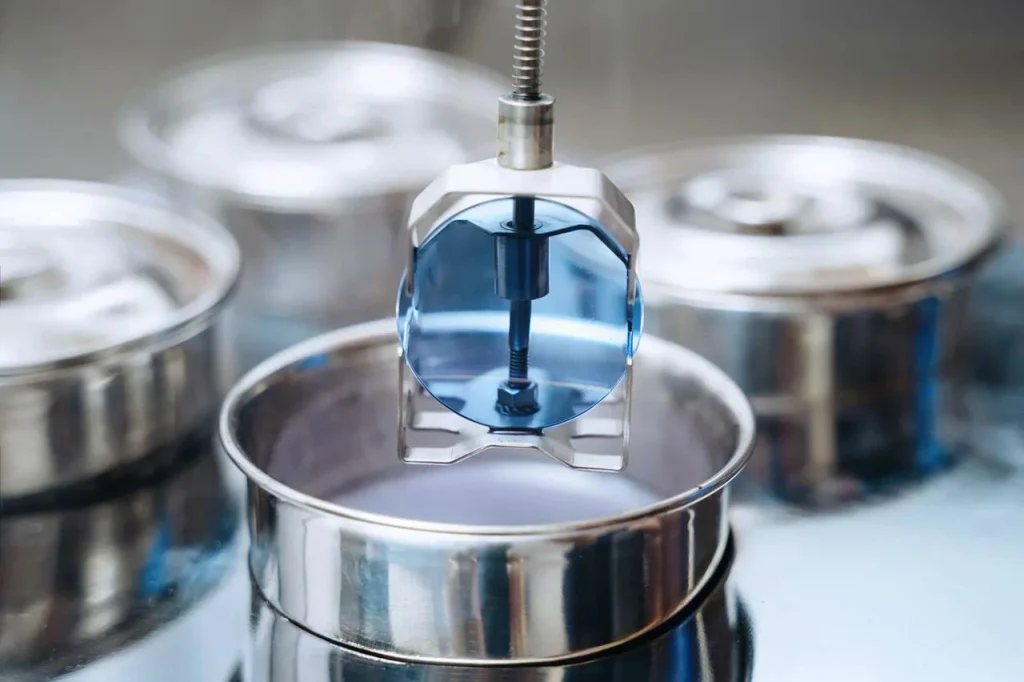
Precious metal plating is more than just a decorative touch—it’s a critical technique used across industries to enhance the surface properties of components. By applying a thin layer of metals like gold, silver, platinum, or palladium onto a base material, precious metal plating delivers corrosion resistance, reliable electrical conductivity, and a premium appearance. From high-performance electronics and aerospace connectors to jewelry and medical devices, understanding how to control plating thickness, underplates, and process standards is essential to ensure durability and consistent performance. Whether for functional or aesthetic purposes, investing in the right precious metal plating process can dramatically improve product longevity and reliability while managing costs effectively. What is precious […]
PTFE(テフロン)コーティング:特性、用途、工業用途
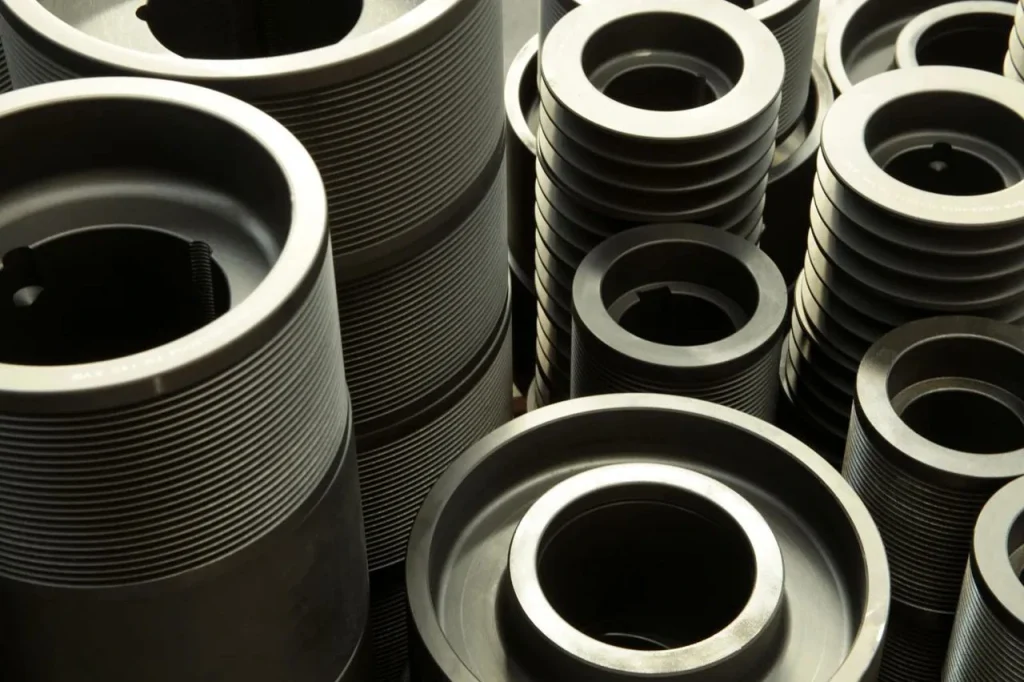
When surface behavior becomes the weak link in an otherwise well-designed metal part, engineers often turn to ptfe (teflon) coating as a practical fix rather than a material change. Instead of redesigning the geometry or switching alloys, a thin fluoropolymer film can transform how a component releases product, handles friction, or survives chemical exposure. In real-world manufacturing, that difference shows up as fewer shutdowns from build-up, less galling between mating parts, and improved cleanability in aggressive washdown environments. But ptfe (teflon) coating is not a universal upgrade. It is a functional surface treatment—chosen for low friction, non-stick release, and chemical resistance—not for structural strength. Understanding when a coating makes sense, […]
精密金属研磨:方法と高光沢仕上げ

Precision metal polishing sits between two worlds: production finishing (where throughput matters) and laboratory surface preparation (where surface integrity matters to deliver excellent results, as emphasized by the U.S. Department of Energy). People often use the word polish to mean “make it shiny.” In engineering work, “precision” changes what you care about. A mirror-like appearance can be a side effect, but it is not the goal by itself; precision polishing aims to deliver a decorative finish with minimal deformation; precision polishing aims to achieve the desired finish with minimal deformation. This article explains what precision metal polishing is, how the common methods compare, and how to set a polishing process […]
タンブリングと振動仕上げ:部品と機械のためのガイド
Tumbling & vibratory finishing are “mass finishing” methods. Professional mass finishing services rely on these methods to process high volumes of parts with consistent repeatable quality. Within the broader finishing industry, these techniques are essential for preparing surfaces for final assembly or coating.. They process many parts at once using a container (barrel, bowl, or tub), loose media, and often a compound. For a technical buyer, the hard part is not the definition. The hard part is knowing what will happen to edges, holes, and surfaces when the metal finishing process runs for real. In precision manufacturing, edge rounding for CNC parts is rarely an accident; it is a required […]
ブラッシュドメタル仕上げ:ツール、プロセス、仕様ガイド
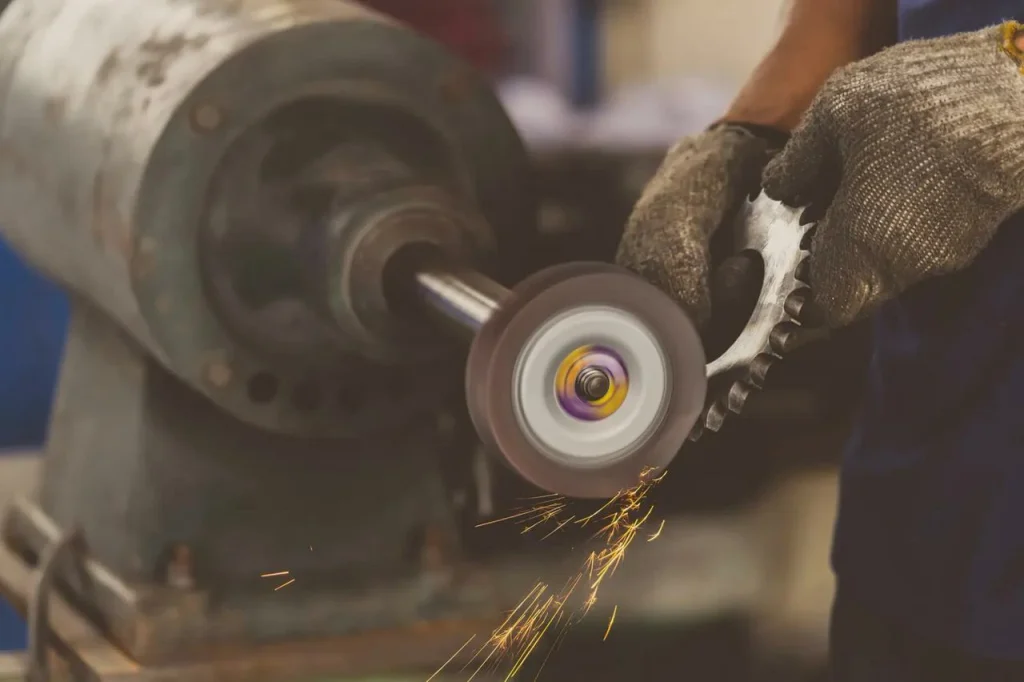
A brushed aluminum finish is often treated as “cosmetic.” In production, it behaves more like a controlled surface engineering step in metal fabrication. It is subtractive, changes surface roughness (Ra), and can remove pits and casting marks. Brushed aluminum services offer improved corrosion resistance because the brushed surface has more area and more places to trap residue, providing additional wear resistance. For engineering teams and technical buyers, the feasibility questions are usually practical: This article stays on those decision points and the parameter controls that drive repeatability. What a brushed metal finish is (and why it’s used) Definition and core visual effect: anisotropic, directional scratch pattern A brushed metal finish […]
金属電解研磨:ステンレス鋼と表面仕上げ
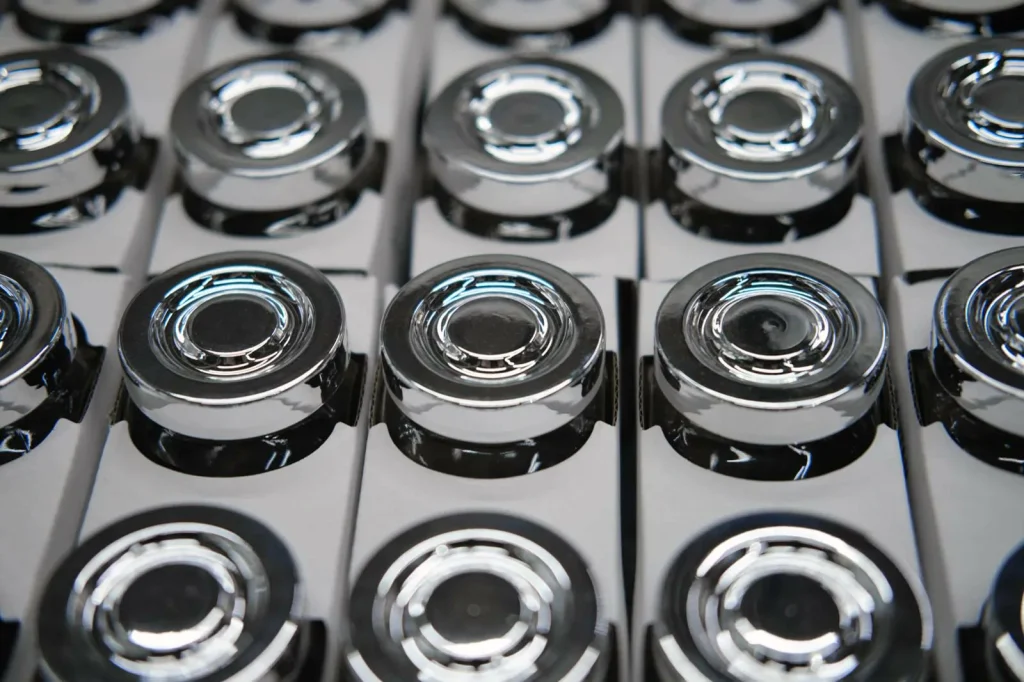
ステンレス鋼部品の金属電解研磨は、しばしば「逆電解めっき」二次仕上げ工程と表現されます。この省略形は便利ですが、エンジニアは、このプロセスが衛生的な仕上げを実現するか、不動態化をサポートするか、光沢のある金属仕上げを実現するかを検討する必要があります。この記事では、実現可能性と決定ポイントに留まる。また、電解研磨を上流加工の不良の修正として扱うものではありません。金属の電解研磨の意味と効果 金属の電解研磨は、材料の薄い層を除去し、表面仕上げを改善し、洗浄性と耐食性を高めるプロセスです。
ビーズブラスト仕上げ:サテン&マット表面ガイド

製造業者が、ポリッシュのぎらつきやグリットブラストの過酷なプロファイルを伴わない、きれいで一貫した表面を必要とする場合、ビーズブラスト仕上げが実用的な中間点になります。ガラス、セラミック、またはプラスチックビーズなどの球状メディアを金属表面に衝突させることで、このプロセスは、形状を大きく変えることなく、均一なサテンまたはマットの質感を作り出し、軽いツールマークをなじませ、小さなバリを和らげ、コーティングや陽極酸化のために部品を準備します。方向性のある傷が残るサンディングとは異なり、ビーズブラストは方向性のない均一な拡散外観を作り出し、変化する光の下でも一貫して読み取れます。外観の改善と寸法制御のバランスが取れていることが、ビーズブラスト仕上げがCNC後の部品、筐体、ブラケット、[...]などに広く指定されている理由です。
アルミニウム部品の陽極酸化処理:アルマイト処理ガイド

このガイドでは、アルマイト処理によってアルミニウム表面が耐久性、耐食性に優れた酸化皮膜に変化する一方で、装飾的な仕上げが可能になり、機能的および審美的な用途の両方でアルミニウムの魅力が強化されることを説明します。アルミニウム部品のアルマイト処理とその使用理由 アルマイト処理協議会によると、アルマイト処理は、アルミニウム部品を酸電解液中の陽極にすることにより、アルミニウム製品の裸のアルミニウム表面を強固に結合した酸化アルミニウム皮膜に変えます。酸化アルミニウム皮膜は塗料のように塗布されるのではなく、酸電解液に電流が流れると、アルミニウム製品のむき出しのアルミニウム表面から直接成長します。その結果、制御された酸化皮膜が形成され、その価値は[...]高く評価されます。
金属表面仕上げサービス:CNCアンダーカットと工具
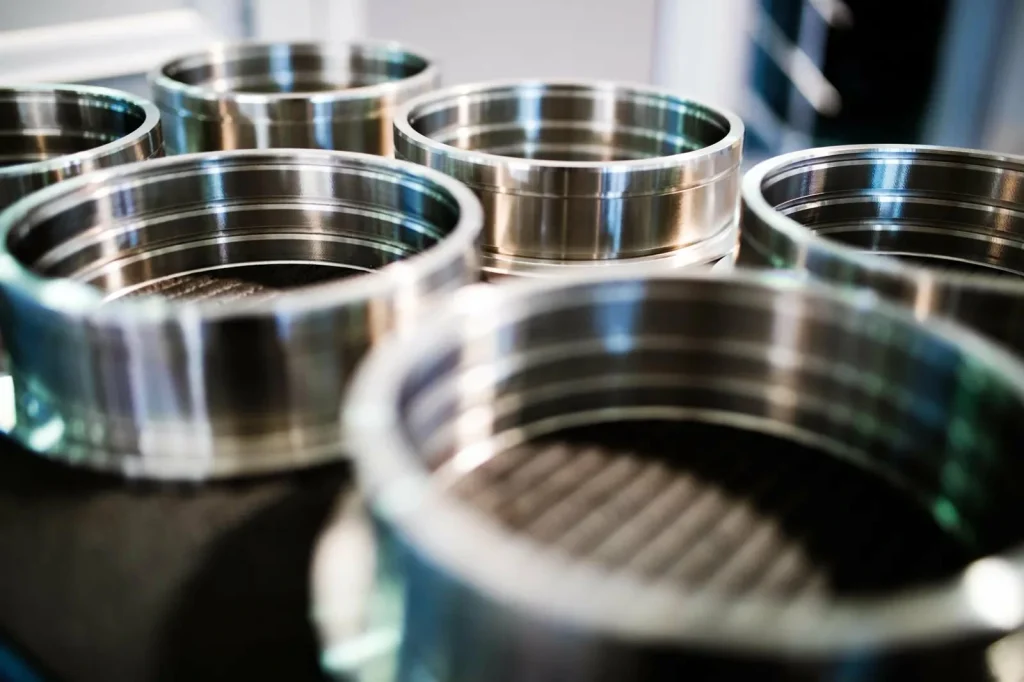
表面仕上げは、金属部品の機能性と外観を向上させる金属製造の重要なステップです。メッキ、陽極酸化、コーティング、研磨、化成処理、不動態化処理、電解研磨、機械的処理など、部品の外層を改質するさまざまな工程が含まれます。目標(耐食性、耐久性、美観、導電性など)に応じて、各方法は明確な利点を提供します。 金属表面仕上げサービス:その内容 定義と「表面仕上げ」の適用範囲 金属表面仕上げサービスは、成形または機械加工後に部品の外層を変更する製造工程です。この作業では、材料を追加したり(多くのコーティングやメッキ)、表面を新しい層に変えたり(陽極酸化、化成皮膜)、少量の [...] 皮膜を除去したりします。
精密研削とフライス加工:主な違いとディープカット
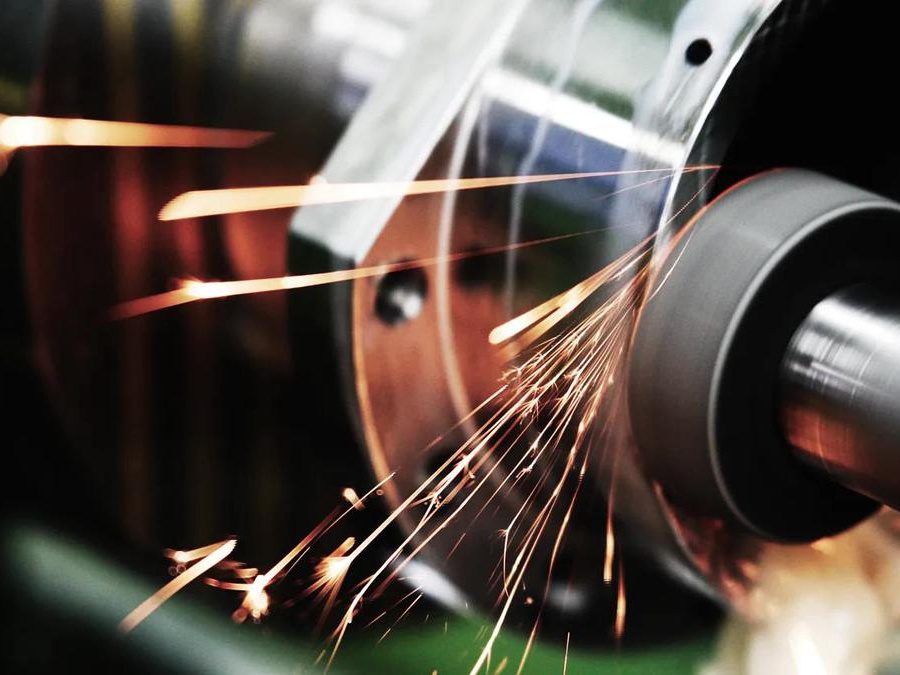
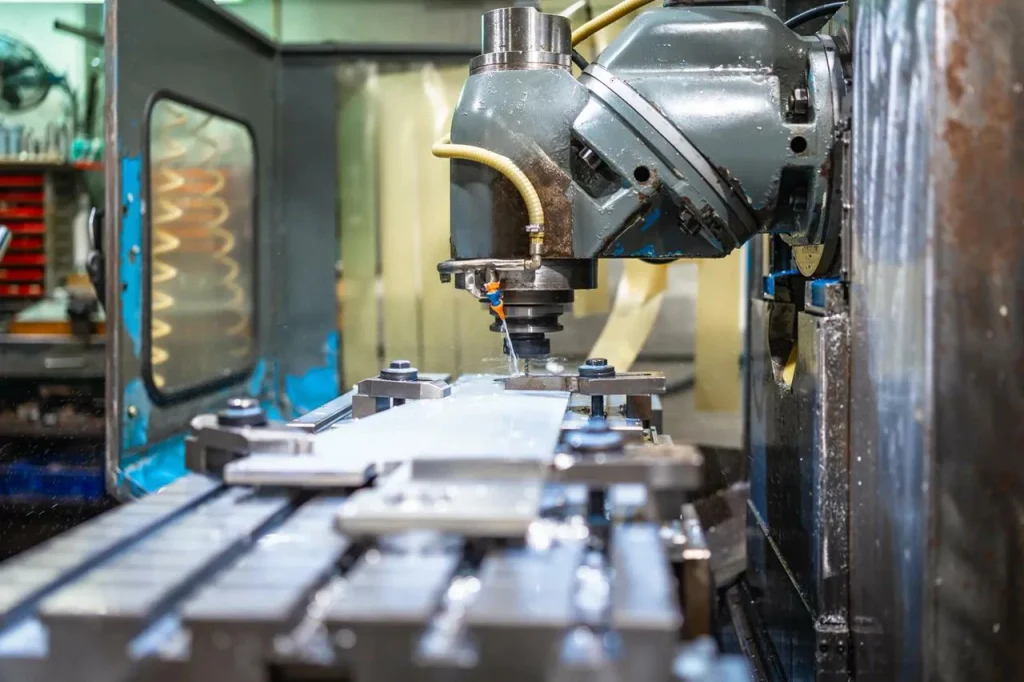
エンジニアが精密研削とフライス加工をよく比較するのは、ASME Y14.5:寸法公差(エンジニアリング図面上の機能要件を伝達するために世界中で使用されている権威あるGD&T標準)で定義されているような、平面度や平行度などの厳しい公差や精密な幾何学的制御が図面に要求される場合です。その時点で、問題は「何が違うか」ではなく、その部品が許容できるリスクとコストで製造できるかどうかである。どちらの加工もワークピースから材料を除去するものだが、その仕組みは異なる。フライス加工は回転する切削工具で深い切り込みを入れ、切り屑を形成するのに対し、研削加工は砥石上の砥粒を使い、細かく段階的に材料を除去する。この違いが [...] に現れている。

 Japanese
  English
  German
  French
  Italian
  Spanish
  Polish
  Czech
Czech