
If you’re wondering how to clean titanium without scratching it or dulling the finish, you’re in the right place. Titanium is strong and corrosion-resistant, but its surface can still show micro-scratches, water spots, and build-up from daily life. The safest ways to care for titanium—whether you’re cleaning jewelry, cookware, styling tools, or industrial parts—use mild, non-abrasive cleaners and soft tools. Harsh chemicals and rough pads can damage the thin, protective film that keeps titanium looking bright.
This guide starts with a quick-start checklist you can save and follow anytime. Then it explains why gentle care matters, backed by simple science you can trust. You’ll find step-by-step routines for jewelry and watches (including anodized color), cookware and outdoor gear, hair tools like flat irons and curlers, and pro-grade practices for industrial and lab use. Finally, you’ll get a troubleshooting matrix for stains and discoloration, clear do’s and don’ts, and practical advice for long-term care and storage. Know more about titanium clean through this guide.
How to Clean Titanium: Quick-Start Checklist
Before we get into the full guide, use this quick-start checklist to see the essential steps and tools you’ll need to clean your titanium safely and effectively.
Supplies you actually need (non-abrasive, pH-balanced)
- Mild dish soap, warm water, a soft-bristled brush, and a microfiber cloth
- Isopropyl alcohol (70% or higher) for styling tool plates and sticky residues
- Baking soda paste (baking soda + a little water) for stubborn buildup
- Distilled water for a spot-free final rinse
- pH-neutral detergents for industrial or lab parts; use titanium-safe solvents only
Universal 5-step routine (most items)
- Prep: Dust or rinse the surface to remove grit.
- Soak or wet with warm, soapy water (a small amount of mild soap).
- Gently scrub with a soft-bristled brush or wipe with a microfiber cloth.
- Rinse thoroughly—distilled water is best to prevent spots.
- Pat dry with a clean microfiber towel; do not let cleaner dry on the surface.
Safety first and testing
- Unplug and cool heated tools before cleaning; never drip liquids into electronics.
- Avoid bleach, chlorine-based cleaners, strong acids, and strong alkalis.
- Spot-test a hidden area before using any new cleaner.
- Do not let any cleaning solution dry on the metal.
Why Titanium Needs Gentle, Non-Abrasive Care
If titanium is so tough, why be gentle? Because what you see and touch is not raw metal. Titanium’s durability comes from a thin, invisible layer of titanium oxide on the surface. This “passive film” forms naturally in air and makes titanium corrosion-resistant. It’s stable, but like any surface, it can be scratched or fouled by grit, harsh pads, or dried-on chemicals.
Titanium’s oxide layer explained
Titanium protects itself by forming a tight, natural oxide film. This layer is only nanometers thick. It resists rust and most everyday corrosion, but it can be marked by abrasive scrubbing or etched by strong chemicals. When you use a soft cloth and a mild cleaner, you clean dirt and oils without stripping or scratching this protective film. That keeps your titanium looking bright over time.
Chemistry 101: pH limits and solvent risks
Household acids or strong alkaline cleaners can attack or stain the oxide film. Chlorine bleach and chlorinated solvents are risky because they can leave reactive residues and increase corrosion risk in certain conditions. A pH-balanced cleaning solution is the safer choice. After cleaning, a thorough rinse prevents spotting and chemical films. In short: stay mild, rinse well, and dry with a soft towel.
Data-backed reasons to be gentle
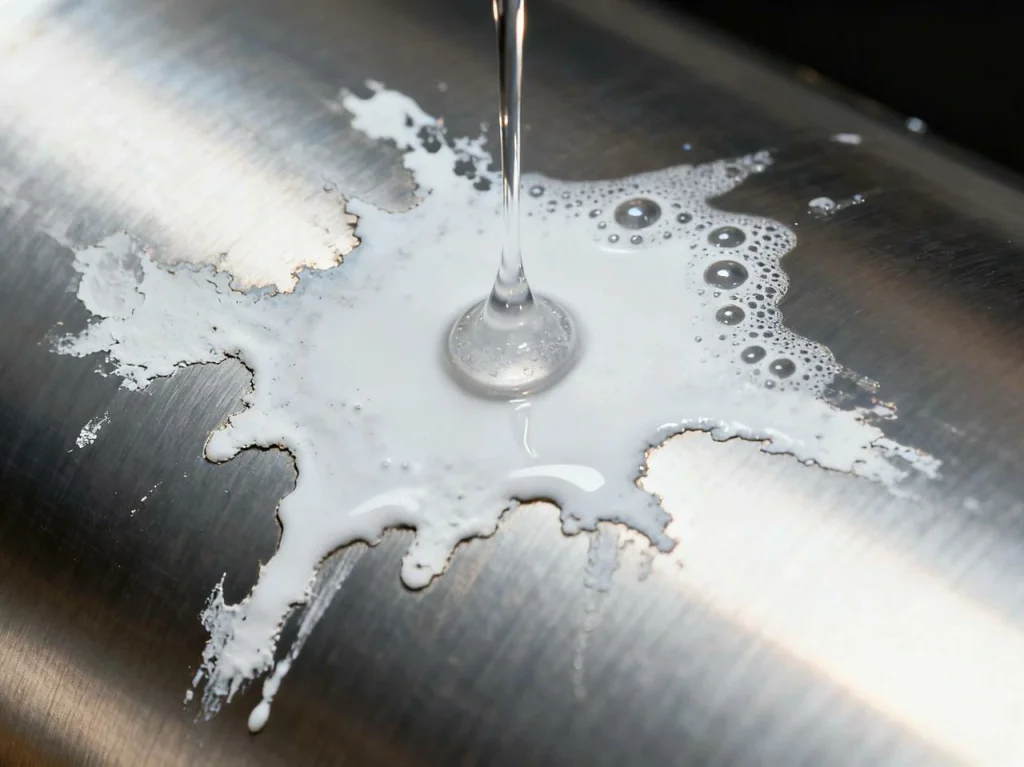
Across community reports and maintenance threads, people who stick to soaking, soft brushing, and careful rinsing report the best long-term results. Many users who tried harsh dips or abrasive pads later saw haziness or fine scratches. Gentle cleaning also lowers the chance of discoloration on colored or anodized titanium.
Does titanium tarnish or corrode over time?
Titanium does not “rust” like iron. Its oxide film prevents most corrosion. What people call “tarnish” is often body oils, hard water spots, or micro-scratches. Heat or certain chemicals can thicken or change the oxide, creating rainbow hues. If you see stubborn staining, step back, avoid abrasion, and consider professional advice—especially for anodized or specialty finishes.
Jewelry, Rings, Watches, and Piercings
Most people search “how to clean titanium” because of rings, watches, and small items. Titanium rings and titanium jewelry handle daily wear well, but skin oils, soaps, and lotions leave films. A simple, regular cleaning keeps the sleek appearance and prevents build-up in settings and crevices.
Routine clean for small items
Use warm water and mild soap. Let the pieces sit in a small bowl for 5–20 minutes. That short soak loosens dirt and oils. Then use a soft-bristled brush (a soft toothbrush works) to gently clean around stones, under settings, and inside ring bands. Rinse well to remove any soap residue, then pat dry with a microfiber cloth. Avoid air dry if possible; water spots can form as droplets evaporate, especially in hard water areas.
Stubborn marks and shine
If you see light film or faint marks, a tiny amount of baking soda and water can help. Make a smooth paste and gently rub with a soft cloth in small, circular motions, then rinse and dry. For added shine on plain metal surfaces (no delicate stones), an ammonia-based glass cleaner sprayed onto a cloth—not directly on the jewelry—can remove fingerprints and bring back a crisp shine. Deep scratches call for a jeweler. Avoid DIY abrasive pastes and wheels on precious inlays or brushed textures. You might make the finish uneven or round off crisp edges.
Gemstones, settings, and anodized color care
Treat gemstones and colored titanium with extra care. Some stones don’t like ultrasonic cleaners. Anodized titanium has a controlled oxide thickness that gives it color. Harsh chemicals or rough scrubbing can change that color. Stick to mild soap, distilled water for the final rinse, and a soft microfiber dry. If your jewelry has inlays (wood, carbon fiber, or precious materials), avoid soaking for long periods and do not use alcohol or ammonia on sensitive materials. When in doubt, spot-test a hidden area first.
Safe vs. unsafe agents for jewelry and anodized titanium
| Agent or Method | Plain Titanium Jewelry | Anodized/Colored Titanium | Notes |
|---|---|---|---|
| Mild soap + warm water | Safe | Safe | Best routine method for most pieces |
| Soft-bristled brush | Safe | Safe | Use light pressure |
| Ammonia-based glass cleaner | Usually safe on plain metal | Use with caution | Apply to cloth, not directly; avoid stones/inlays |
| Baking soda paste | Use gently | Use very gently | Mild abrasive; test first |
| Isopropyl alcohol (70%+) | Generally safe on plain metal | Use with caution | Avoid stones, inlays, and long contact on anodized color |
| Bleach/chlorine | Avoid | Avoid | Risk of discoloration |
| Strong acids/alkalis | Avoid | Avoid | Can damage finish |
| Abrasive pads/metal polish | Avoid at home | Avoid | Can scratch and dull; pro use only if needed |
Kitchenware and Outdoor Gear (Cookware, Bottles, Camp Cups)
Titanium cookware and bottles are popular because they’re light, durable, and don’t rust. That said, the finish can still show scuffs from rough pads and chalky spots from hard water. The best way to clean is simple: gentle soap, soft tools, and a thorough rinse.
Daily cleaning that preserves finish
After use, wash with warm water and a few drops of dish soap. Use a soft sponge or a nylon brush to loosen food residue. Rinse well—distilled water helps prevent mineral spots—and either air dry briefly or pat dry with a clean microfiber cloth. Avoid scouring pads and steel wool. They will scratch the surface and dull the look.
Burnt-on food, tea/coffee stains, hard water residue
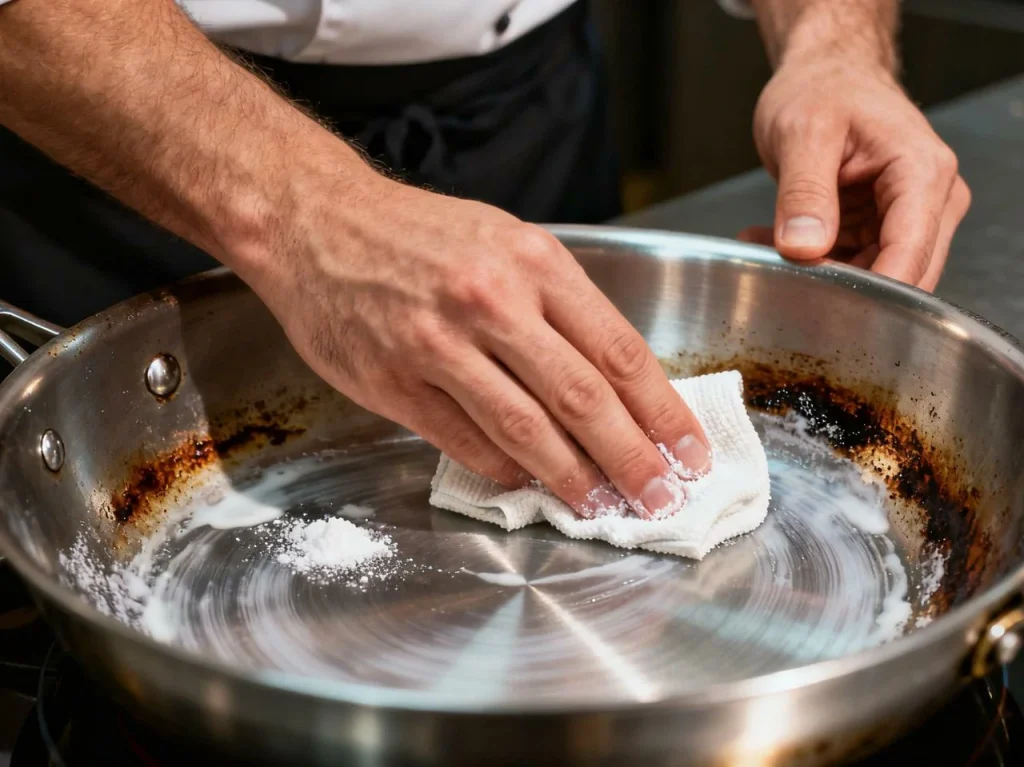
When food gets burnt-on, soak the cookware in warm, soapy water. For tough areas, make a baking soda paste and gently rub with a soft cloth, then rinse. Tea and coffee stains in bottles or cups often respond to a warm soak followed by a nylon brush. If your water leaves white, chalky spots, rinse once more with distilled water and buff dry with a microfiber cloth to prevent water spots.
If you care about a uniform sheen, skip long-term dishwasher use. Detergents and high-pressure sprays can be harsh on finishes over time. Hand-washing is kinder to the surface and helps titanium retain its look.
Case study highlights
Users who hand-wash with mild soap and occasionally use a baking soda paste tend to retain more shine after many uses. Those who rely on rough pads often see micro-scratches after only a few cleans. If you want your cookware to look new longer, hand-wash and go gentle.
Is it safe to put titanium cookware in the dishwasher?
- Pros: It won’t rust, and an occasional cycle won’t ruin it.
- Cons: Strong detergents and high-pressure sprays can haze or scratch finishes over time; trapped minerals can leave spots.
- Best practice: Hand-wash for a better long-term finish. If you use the dishwasher, avoid crowded loads, use mild cycles, and towel-dry quickly to reduce spotting.
Hair Tools: Cleaning Titanium Flat Irons and Curlers
Product buildup on hot plates can transfer to hair and reduce performance. The goal is to remove residue without scratching the plates or letting liquid into the electronics.
Prep and plate-safe cleaning
Unplug and let the tool cool fully. Wipe the plates with a soft cloth dampened with 70% or higher isopropyl alcohol. If you see caked-on residue, use a small amount of baking soda paste. Apply it with a soft cloth, gently buff, then wipe clean with a slightly damp cloth. Finish with a dry microfiber wipe. Keep liquids away from hinges, buttons, and ports.
Drying, storage, and safety
Make sure there is zero moisture before you store the tool. Don’t scrape plates with metal tools or your nails. Store in a cool, dry place away from direct sun. Regular cleaning takes minutes and helps the plates glide smoothly.
Measurable results from salon practices
Weekly alcohol wipes reduce residue build-up and help tools last longer. A simple schedule—wipe plates weekly, deep clean monthly—keeps performance stable and the surface clean without abrasion.
Industrial and Laboratory Titanium: Pro-Grade Protocols
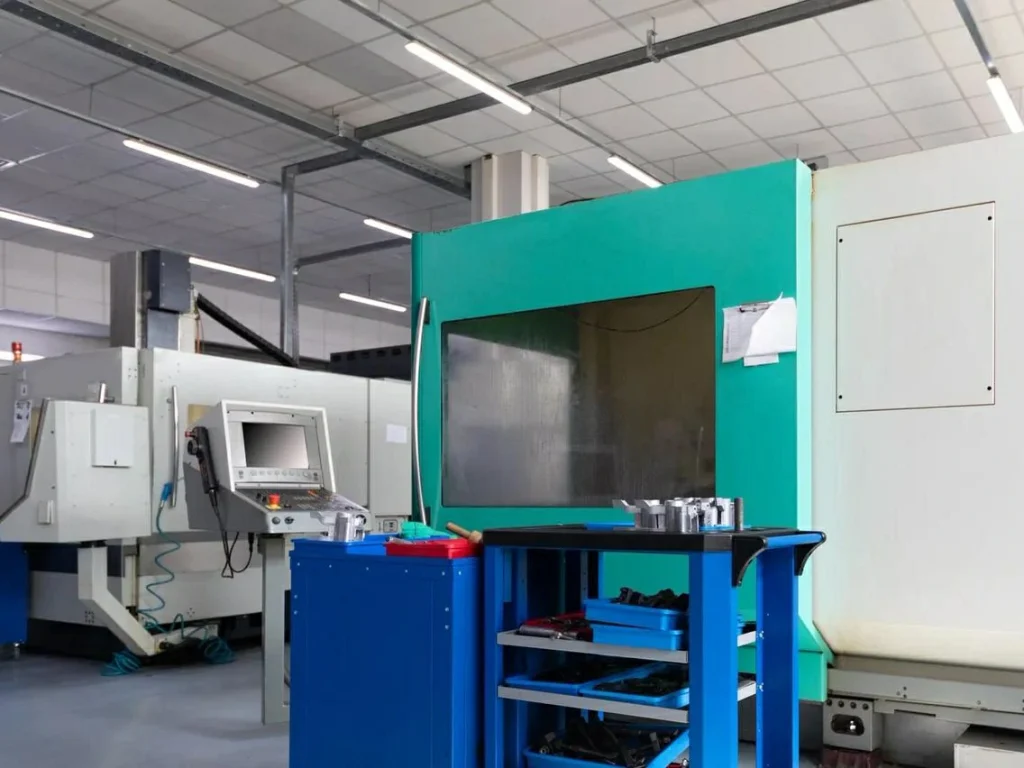
For industrial titanium parts—especially CNC-machined components like those produced through CNC turning—proper cleaning helps remove machining oils, coolants, and residues without damaging the surface. If you need precision-made titanium components or CNC-machined parts with tight tolerances before cleaning or finishing, companies like U-Need specialize in high-accuracy CNC milling and turning for titanium and other metals. Here the job is not only to “make it look clean” but to reach a defined level of cleanliness without harming the alloy or leaving films that affect performance (ASTM, 2022).
Routine maintenance that protects alloys
Use pH-balanced detergents made for precision cleaning. Rinse with deionized (DI) or reverse osmosis (RO) water to avoid spots and ionic residues. Dry thoroughly with filtered air or low-lint wipes. Avoid chlorinated solvents because some can decompose into reactive species and increase corrosion or embrittlement risk under certain conditions.
Degreasing and advanced processes
For heavy oils and films, solvent vapor degreasing can be effective, but only use chemistries listed as titanium-compatible by the manufacturer or per your standard. If a specification calls for acid pickling or etching, follow the exact process and ensure alloy compatibility. These steps are controlled operations and should not be improvised. For most maintenance cleaning, stick to neutral detergents, approved solvents, and controlled rinsing.
QA/QC checkpoints
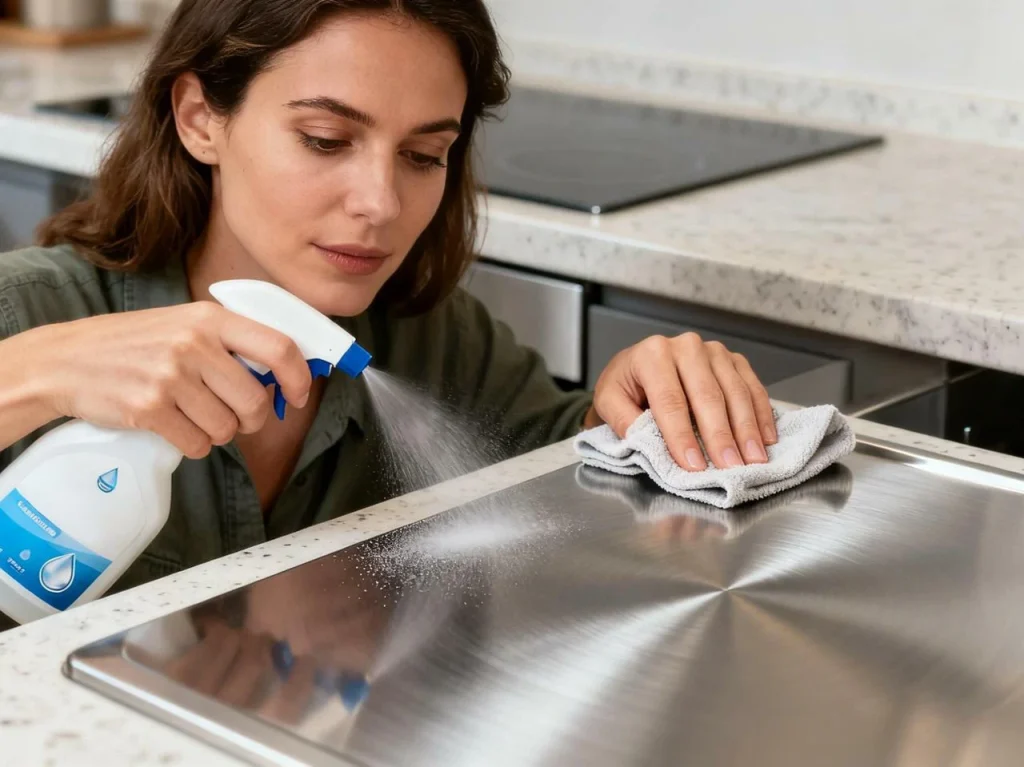
- Define rinse quality targets (for example, conductivity of final rinse water).
- Inspect surfaces under consistent lighting for films, water breaks, or discoloration.
- Verify all chemistries via SDS and your compatibility charts before use.
- Follow lockout/tagout when cleaning powered equipment and fixtures.
Troubleshooting and Stain ID Matrix
Even with care, surfaces can show marks. The key is to match the symptom with the right fix and avoid over-polishing. Use the table below to diagnose the issue.
| Symptom | Likely Cause | Fix (Gentle First) |
|---|---|---|
| White film or chalky spots | Hard water minerals | Rinse with distilled water; pat dry with microfiber; repeat if needed |
| Rainbow discoloration | Heat exposure or chemical reaction | Clean with mild soap and water; avoid abrasion; if persistent, consult a pro for anodized items |
| Oily sheen | Skin oils, hair product, or cooking oil | Use pH-balanced detergent or 70% isopropyl alcohol on a cloth; rinse and dry |
| Gray/black transfer lines | Metal rub from tools or pans | Try a gentle baking soda paste; test first; rinse and dry |
| Dull haze | Micro-scratches or dried cleaner film | Re-clean with mild soap; rinse well; dry; avoid abrasive pads |
Scratch vs. stain: deciding next steps
If a mark disappears after a gentle cleaning, it was a stain or residue. If it stays and you can feel it with a fingernail, it’s likely a scratch. You can live with a light patina, or you can ask a professional for refinishing. Be careful with brushed finishes and anodized colors—over-polishing can change texture or color.
Can you use vinegar to clean titanium?
Vinegar is a weak acid. On plain titanium, brief contact is unlikely to cause a disaster, but it can spot, and it may affect anodized color over time. It can also leave a smell and may not solve the real problem. Safer options are mild soap, distilled water rinses, and a gentle baking soda paste for spots.
What Not to Do: Myths, Mistakes, and Risks
Titanium is forgiving, but habits matter. To keep it looking its best, skip harsh methods.
Abrasives, steel wool, and harsh pads
These tools scratch the surface. Even if the first cleaning looks fine, repeated use will dull the finish. If you must remove stuck-on grime, use a baking soda paste and a soft cloth before you grab anything abrasive.
Chemical pitfalls to avoid
Bleach, chlorine-based cleaners, and strong acids or alkalis are not right for everyday titanium care. In shops and labs, avoid chlorinated solvents unless your process and compatibility charts say they are safe for your exact conditions. Always rinse well so no cleaner dries on the surface.
Ultrasonic cleaners and metal polishes
Ultrasonic cleaners can be okay for plain titanium parts, but avoid them with delicate stones and sensitive inlays. For anodized titanium, get guidance first. Many “metal polish” products are abrasive. A jewelry polishing cloth is gentler, but test before you rub, and avoid colored surfaces. If you’re wondering how to polish titanium at home, keep it minimal. When you need full refinishing or deeper scratch removal, go to a pro.
Red/green “Do vs. Don’t” by category
- Jewelry: Do mild soap, soft brush, microfiber dry. Don’t use bleach, hard pads, or unknown dips.
- Cookware/gear: Do warm soapy water, nylon brush, distilled rinse. Don’t use steel wool or long dishwasher cycles if you care about finish.
- Hair tools: Do cool, wipe with 70% alcohol, dry fully. Don’t scrape plates or drip liquids into the body.
- Industrial: Do pH-neutral detergents, DI/RO rinses, and documented solvents. Don’t use unapproved chlorinated solvents or off-spec acids.
FAQs
To understand how to clean titanium, start with a simple, gentle cleaning method that protects the oxide surface. The safest way to clean your titanium items is to wash the titanium pieces with warm water and mild soap, then wipe with a clean cloth or clean towel. This basic cleaning process works for almost any titanium item, including cookware, tools, and clean titanium jewelry. You can also clean your titanium ring using the same gentle routine. Always avoid harsh chemicals and avoid using abrasive pads, since these can scratch titanium products. If needed, you can use alcohol—so yes, can I clean titanium with alcohol is typically safe as long as it’s applied with a cloth and not soaked. A mild jewelry cleaning solution works for plain metal surfaces, but be careful with stones or inlays. With regular care, cleaning and maintaining titanium stays easy and effective.
When people ask how to clean titanium oxidation, most discoloration is actually residue instead of true corrosion. Begin the cleaning method with warm soapy water and a soft clean cloth to gently clean a titanium surface. If the titanium pieces still show color changes, use a mild baking-soda paste to clean a titanium surface without abrasion. For rings, this also helps you clean your titanium ring safely. When cleaning and maintaining titanium products, always avoid harsh chemicals, bleach, or strong acids because they damage the oxide layer. Many wonder can I clean titanium with alcohol, and yes, alcohol on a cloth is fine for oils but won’t remove heavy oxidation. Never use aggressive metal polish for titanium unless it’s designed specifically for it. The right cleaning process—gentle soap, water, and careful wiping—will restore most finishes while maintaining titanium’s integrity.
Vinegar is acidic, so when considering how to clean titanium, it’s not the ideal cleaning method. On plain titanium products, brief exposure won’t destroy the metal, but it may affect color, cause spotting, or leave residue. If you use vinegar to clean your titanium, rinse immediately and dry with a clean towel. For titanium pieces like anodized items or clean titanium jewelry, vinegar is riskier because it can shift the oxide thickness. When cleaning a titanium ring, avoid using vinegar and stick to mild soap. If you’re tempted to combine vinegar with baking soda in a fizzing cleaning process, skip it—it offers no real benefit. Instead, rely on the safer approach recommended in most guides on how to clean titanium: warm water, mild detergent, and a soft clean cloth. This protects the surface while maintaining titanium’s natural sheen without harsh reactions.
Many people ask: can I clean titanium with alcohol? Yes—when learning how to clean titanium, isopropyl alcohol is actually helpful for removing oils, fingerprints, and sticky residue from most titanium products. Apply it with a clean cloth, never soak the titanium item. Alcohol is especially effective for cleaning and maintaining grooming tools or for a quick wipe on clean titanium jewelry. However, for colored anodized titanium pieces, use alcohol sparingly and avoid using it on sensitive inlays. Alcohol won’t remove deep oxidation, but it works well as part of a regular cleaning process to clean your titanium without harming the metal. For a final finish, rinse with water and dry with a soft clean towel. Avoid harsh chemicals or abrasive pads, because alcohol alone is usually sufficient. This makes it a practical, safe cleaning method for most titanium pieces.
Titanium does not rust the way other metals do, so getting it wet is not harmful. Still, learning how to clean titanium properly includes knowing how to dry it. When water dries on the surface of titanium pieces, minerals can leave marks. So after you clean your titanium, rinse and dry with a clean towel or microfiber cloth. This keeps titanium products looking bright and helps in maintaining titanium over time. Whether you’re cleaning a titanium ring, cookware, or tools, moisture is not the issue—residue is. As part of your cleaning process, always rinse off soap and avoid using strong cleaners that could interact with water. Most guides on how to clean titanium recommend simply drying well and avoiding stagnant moisture on joints or crevices. With this basic cleaning method, titanium stays stable, durable, and free of spots.
You can technically remove grease from a titanium item using WD-40, but when considering how to clean titanium, it’s rarely the best choice. WD-40 leaves an oily film that attracts dust and is not suitable for clean titanium jewelry or items that touch skin or food. If you choose to try it on tools, wipe thoroughly with a clean cloth afterward. Most titanium products respond better to mild soap and water as a safer cleaning method. Always avoid harsh chemicals and avoid using petroleum residues near gemstones or finishes. For rings, the safest option to clean your titanium ring is warm water and mild detergent—not WD-40. It’s unnecessary for maintaining titanium, and repeated use can complicate the cleaning process. Stick to proven guidance on how to clean titanium: gentle cleaning, proper rinsing, and drying with a clean towel.
Yes, baking soda is one of the most effective gentle options when learning how to clean titanium. Mix a small amount with water to create a mild paste and use a clean cloth to wipe your titanium pieces. This cleaning method helps remove buildup without scratching, making it suitable to clean your titanium ring or other titanium products. It’s safe for most plain-metal surfaces, though you should avoid using it aggressively on anodized colors since abrasion may change the oxide layer. Baking soda fits well into a routine cleaning process, especially when you want to clean a titanium object without harsh chemicals. Many people prefer it because it’s mild, effective, and doesn’t conflict with later use of soap or alcohol. As always, finish by rinsing and drying with a clean towel, then continue cleaning and maintaining titanium with gentle habits.
Hydrogen peroxide is an oxidizer, so when evaluating how to clean titanium, it’s not usually needed. For plain titanium pieces, brief contact with low-strength peroxide is unlikely to harm the metal, but it offers no advantage over soap and water. For clean titanium jewelry or colored items, peroxide may affect dyes, inlays, or the oxide layer, so avoid using it unless necessary. A gentler cleaning method—warm water, mild detergent, a clean cloth, and proper drying—is far safer for maintaining titanium. If you want to clean your titanium ring or tools, peroxide doesn’t improve the cleaning process and can complicate reactions with other products. Guides on how to clean titanium recommend sticking to soap, water, or alcohol when needed. Finish by drying with a clean towel and continue cleaning and maintaining titanium with safer approaches.
Oxidized titanium can appear in rainbow shades—blue, purple, gold—depending on oxide thickness. When reading about how to clean titanium, remember that this color is usually natural or formed by heat, not harmful corrosion. If your titanium pieces show these hues, they may simply have a thicker oxide layer. To clean your titanium, use mild soap and a clean cloth without trying to scrub away the color. For rings, this is especially important when you clean your titanium ring, since over-polishing can remove intentional finishes. Many people worry and ask whether to use metal polish for titanium, but avoid using abrasive polishes on colored surfaces. Instead, rely on a basic cleaning method and gentle cleaning process to maintain titanium. Guides on how to clean titanium emphasize protecting the oxide rather than removing it, ensuring your titanium products stay attractive and durable.
References
https://www.astm.org/b0600-11r17.html
https://www.cdc.gov/niosh/npg/npgd0359.html
https://www.epa.gov/assessing-and-managing-chemicals-under-tsca/trichloroethylene-tce
https://pubs.usgs.gov/periodicals/mcs2024/mcs2024-titanium.pdf


 English
  German
  French
  Italian
  Spanish
  Polish
  Czech
Czech  Japanese