
Coated aluminum delivers a strong mix of corrosion resistance, durability, energy savings, and a premium look across buildings, EVs, and everyday products. Many teams ask the same core questions: Which aluminum coating should we choose—anodizing, powder coat, or PVDF/PE paint? How do we balance lifetime cost, code compliance, and design goals? And how do we prove value with clear data?
This guide gives you quick answers up front, then a practical decision path. You’ll find what each coating does, how to set coating thickness, which tests matter, the warranties to expect, and how to plan care over decades. You’ll also see market data through 2035, case-backed examples, and step-by-step tools. If you need to compare options or explain the ROI to a client, this article helps you pick a finish that lasts—and justify it with facts.
Along the way, we’ll answer the questions people actually ask online: What is coated aluminum? Is aluminum coating good or bad? Which coating is best for aluminum? What is the best way to coat aluminum? Does aluminum need to be coated? How do you keep aluminum from corroding? We will also include common search phrases people use, such as “coating aluminum to prevent corrosion,” “what type of paint for aluminum,” “powder coat aluminum,” and even odd terms like “flake aluminum” or “gailstyn aluminum,” so you can map your search to the right technical choice.
Quick Answers: What Is Coated Aluminum and Why It Matters
Definition & Value Proposition
When we say coated aluminum, we mean aluminum that has an added surface finish. This includes:
- Anodizing (an electrochemical process that grows a hard oxide layer on the surface)
- Powder coating (dry powder particles that are sprayed and then cured into a solid film)
- Liquid paints such as PVDF or polyester (PE), often applied by coil coating or spray
According to the International Code Council (ICC), coating and building standards are crucial for ensuring the safety, sustainability, and durability of buildings. These coating processes improve resistance to corrosion, weathering, UV stability, surface hardness, and aesthetic appeal. To put it simply, coating is a way to protect the aluminum and shape the look, so the aluminum products last longer and need less care.
Common related search terms include: aluminum coatings, aluminum surface treatment, protective finishes, pre-painted aluminum, aluminum coil coating, coating aluminum, coating aluminum to prevent corrosion, painting and powder, powder coating offers, powder coating is a popular finishing.
So, is aluminum coating good or bad? It’s usually very good when you match the type of coating to the job. Bare aluminum has a thin natural oxide layer. That layer helps, but many uses need more protection or a specific look. That is where anodized aluminum, powder-coated aluminum, or PVDF-coated panels make sense.
Benefits at a Glance (Data-Backed)
- Corrosion resistance: Often 10–20x better than bare alloy, especially in coastal or industrial air.
- Surface hardness: Anodize can be several times harder than base aluminum. This helps with scratch and wear.
- Environmental performance: Powder coating has no VOCs (volatile organic compounds) during cure. Coil coating of PVDF/PE is a controlled, high-efficiency process.
- Aesthetics: Wide color options, gloss levels, and textures; metallic and woodgrain effects; stable exterior color with the right system.
Comparison summary:
| Performance Aspect | Coated Aluminum | Uncoated Aluminum |
|---|---|---|
| Corrosion (marine/industrial) | High resistance; fewer repairs | Prone to pitting and staining |
| UV/Color Stability | PVDF best-in-class; powder and anodize strong | Natural gray; can dull or stain |
| Surface Hardness | Anodize very hard; powders and paints protect | Base alloy only |
| Maintenance | Light washing; long cycles | More frequent cleaning, potential repair |
Market Snapshot 2025–2035
- The global aluminum market is estimated around $183.1B in 2025 and about $331.1B in 2035 (~6.1% CAGR). The coated segment grows faster than basic mill products because of its added value in EVs, green buildings, and durable consumer goods.
- North America’s aluminum market is expected near $46.98B by 2025. Demand is linked to EVs, low-carbon buildings, and public infrastructure.
- Specialty coated aluminum has seen strong growth (reports indicate near or above 8% CAGR in recent years in North America). Powder coating is gaining share from solvent-based paints. Anodizing is also expanding in select niches like electronics and design-grade architecture.
Mini overview by application:
- Architecture: PVDF and high-grade powder growth, driven by AAMA 2604/2605 performance needs.
- Transportation/EV: Anodize for wear zones and battery enclosures; powder for exterior trim; coil-coated roof and body panels in some formats.
- Consumer/Electronics: Anodized housings for scratch resistance and a premium feel.
Is coated aluminum worth the premium vs. bare alloy?
In many environments, yes. Look at total cost of ownership (TCO), not just the initial cost:
- Coated surfaces need fewer repaint cycles, resist corrosion better, and hold color longer.
- Down time and cleaning costs drop. Facades keep their look, and equipment runs longer between repairs.
- If you deal with coastal salt, chemical spray, or strong UV, the premium often pays for itself as early as mid-life.
Simple TCO approach:
- Add initial finish cost + expected maintenance/recoat + cleaning + time out of service.
- Subtract residual value (warranty coverage and resale value of well-kept panels or gear).
- Compare across uncoated, anodized, powder, and PVDF finishes for your climate and years in service.
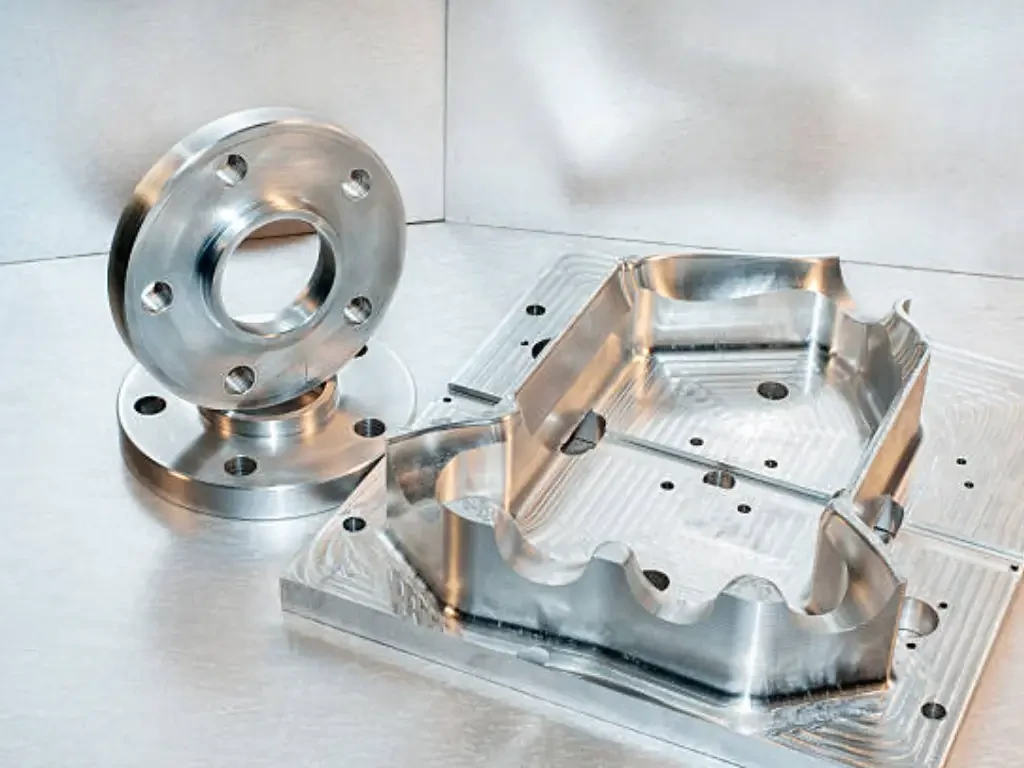
Coated Aluminum Technologies Explained
Anodized Aluminum (Electrochemical Surface Treatment)
Process: The part is cleaned, etched, and then put in an electrolyte bath. Electricity grows a controlled oxide layer from the aluminum itself. You can leave it clear, dye it, and then seal it to lock in color and improve corrosion resistance.
Typical thickness:
- Architectural anodize: about 10–25 µm
- Hard anodize (for heavy wear): up to ~50 µm
Properties: The layer is hard, integral, and electrically insulating. It resists wear and weather, and it is very color-fast with the right dyes and sealing.
Best for: Architectural panels, electronics casings, cookware, and parts that need both a hard surface and stable color. It’s also helpful where an insulating oxide is useful.
How it works: The oxide forms from the surface of aluminum. Half grows into the metal, half grows outward. That gives good adhesion without a separate film. Sealing (hot water or nickel acetate) closes pores and boosts corrosion resistance.
Aluminum Powder Coating (Thermoset/Thermoplastic)
Process:
- Surface preparation: First, surface preparation—cleaning and adding a conversion coating for adhesion and corrosion control.
- Apply the powder: Next, the powder is applied through electrostatic spraying, where dry powder particles adhere to the aluminum surface.
- Cure: Finally, the powder coating process includes curing, where the powder is heated to melt and cross-link, forming a smooth and durable layer.
Film thickness: about 60–120 µm per coat for most architectural and industrial parts.
Pros:
- No VOCs released during cure, which helps air quality and regulatory compliance.
- Good edge coverage and impact resistance.
- Huge color options, gloss levels, and textures, including wrinkle, matte, and metallic.
Cons:
- Color match can shift across batches; plan batch size and panel orientation.
- Some powders are not suited for harsh UV unless you specify “super-durable” grades.
Best for: Windows/frames, fencing, automotive wheels, site-applied refurbishing, and many indoor/outdoor parts where a tough film and wide color range are needed.
What’s the difference between powder and paint? Powder coating is a popular solid-film process with no solvents. Liquid paint (PVDF/PE) uses solvents or water; it can be applied in thinner layers (especially in coil lines) and can reach very high UV performance with PVDF resins.
Liquid Coatings: PVDF and Polyester (PE) Paint Systems
How they’re applied:
- Coil coating: Flat coils are cleaned, pretreated, and coated in a continuous line with primer and topcoats, then baked. Coils are later formed into panels.
- Spray-applied: Used for built parts or repairs.
PVDF:
- Known for top-tier UV and color stability; typical of AAMA 2605 exteriors.
- Often specified where long 20–30+ year performance is expected.
- Common as a multi-coat stack: primer + PVDF color + optional clear coat.
PE/Polyurethane/Epoxy:
- Cost-effective choices for interior or moderate exterior needs.
- Often aligned to AAMA 2603/2604 requirements, with 2604 “super-durable” powders or paints bridging to stronger UV use.
Best for: Curtain walls, roofing, pre-painted aluminum coils, and signage where consistent color, long UV life, and factory control matter.
Comparison snapshot:
| Coating System | UV/Color Retention | Typical Use Life (Exterior) | Cost Range | Notes |
|---|---|---|---|---|
| PVDF (2605) | Best-in-class | 20–30+ years | Higher | Ideal for harsh sun |
| Super-durable Powder (2604) | Very good | 10–20 years | Medium | Great all-around |
| PE/Standard Powder (2603) | Moderate | 5–10+ years | Lower | Interiors/moderate exterior |
Conversion Coatings, Primers, and Emerging Nano/Ceramic Finishes
Every coating sticks better to a well-prepared surface. Conversion coatings create a thin, protective layer that boosts adhesion and resistance to corrosion. Many lines now use chromate-free systems (like zirconium or titanium chemistries) to meet RoHS/REACH and safety goals. Primers are matched to the topcoat resin to balance edge coverage, flexibility, and corrosion hold-out.
Emerging finishes include nano-ceramic hard coats, antimicrobial layers for hygiene, and self-healing polymers that slow creep under scratches. These are growing in use as costs fall and test data builds.

How to Select the Right Finish (Decision Guide)
Environment & Performance Matrix
Start with the environment. Do you face salt, industrial pollutants, intense UV, abrasion, or temperature swings? Then match to a coating system and targets such as salt spray hours, UV class, and chemical splash.
| Environment | Targets to Consider | Suggested System |
|---|---|---|
| Inland/low pollution | Moderate UV, minimal salt | PE or standard powder; anodize for wear |
| High-UV sunbelt | UV stability, gloss retention | PVDF (2605) or super-durable powder (2604) |
| Coastal/marine | Filiform control, salt spray, edge sealing | PVDF coil coat or marine-grade powder with robust pretreatment |
| Industrial/chemical | Acid/alkali splash, temperature cycles | PVDF or high-build powder; anodize where wear dominates |
| High-abrasion | Wear hardness | Hard anodize or thicker-build powder |
Set a lifespan goal and budget. Then choose the system that meets the salt spray, UV exposure, and impact targets with margin. Note: Salt spray (ASTM B117) is a comparative test, not a direct predictor of years in service. Use it to screen systems, not as a life warranty.
Aesthetics and Design Specs
Pick color, gloss, and texture early. Metallics and special effects (like aluminum flake pigments, often called “flake aluminum” in casual searches) can shift in tone with panel angle. Plan panel orientation, order size, and batch controls to avoid metamerism (color shifts under different light). Coil-coated woodgrain and digital print finishes can mimic natural materials while reducing maintenance.
Design details matter. Tight edge radii, laser cut aluminum edges, and perforations need careful coverage. If you form after coating, you risk cracking or micro-fractures in thick films. Most shops form first, then finish.
What type of paint for aluminum? For exteriors with high sun, PVDF is the gold standard. For interiors or mild climates, polyester (PE) or standard powder is fine. For many buildings that want stronger outdoor life without PVDF pricing, super-durable powder is a smart middle ground.
Compliance and Certifications
Know the standards and regs that affect your spec:
- AAMA 2603/2604/2605: performance levels for architectural paints and powders.
- ASTM/ISO tests for corrosion, UV, adhesion, impact, and gloss.
- RoHS/REACH: use chromate-free pretreatments where required.
- Food-contact or potable water: use finishes that meet relevant approvals and cleanability needs.
Keep certificates of conformance, batch QA data, test reports, and warranty terms on file.
Which aluminum coating lasts longest outdoors?
In strong sun and salt: PVDF systems tend to last the longest (often 20–30+ years) with stable color. Anodize also offers 20–30 years with proper sealing and care. High-spec powder (super-durable) can deliver 10–20 years with very good color hold. Real life depends on UV intensity, pollution, pretreatment quality, and maintenance cycles.
Applications with Case-Backed Insights
Architecture and Building Envelopes
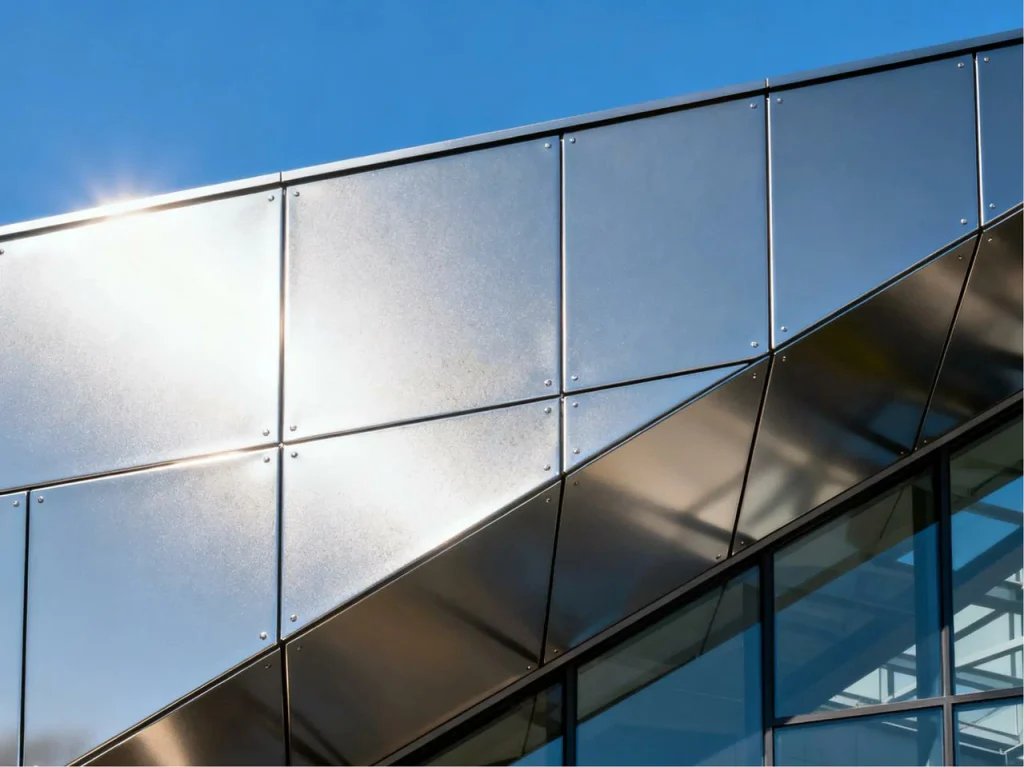
Building skins face sun, rain, salt, and dirt. Curtain walls, facade cladding, roofing, and soffits benefit from PVDF coil-coated panels or super-durable powder. You get gloss retention, color stability, and cleaning that is often just a mild wash.
Bridges and transport hubs face de-icing salts and grime. Coated aluminum can beat coated steel on long-term corrosion in many climates because aluminum’s base metal forms a protective oxide, and the added finish raises the bar further.
For severe UV or coastal projects, many designers specify AAMA 2605-equivalent performance for topcoat systems. Use scheduled cleaning to protect the warranty and keep the look.
Transportation and EV Lightweighting
EVs care about weight. A lighter body or battery enclosure can add range. Anodizing inside enclosures can resist wear and chemicals. A powder-coated outer shell brings impact resistance and color. Rail and aerospace interiors often pick finishes that balance flame/smoke/toxicity needs with abrasion and cleanability.
A practical note: plan pretreatment and coating so joints, fasteners, and cut edges are protected. Seal edges after routing or punching to block filiform attack in salty air.
Electronics, Consumer Goods, and Packaging
Anodized phone and laptop housings stay crisp thanks to a hard, scratch-resistant oxide with good color depth. The oxide also helps with electrical insulation. In food and beverages, coated cans and trays use food-safe linings and strict QA. Renewable energy hardware (racking, inverters, frames) uses powder or PVDF finishes for weathering and UV.
You may see odd search terms like “gailstyn aluminum” when people are hunting for coated aluminum surfaces or local suppliers. No matter the name, the core choice is the same: match the substrate for powder coating or anodizing with the right pretreatment, film build, and test plan.
Can you powder coat aluminum for coastal or marine use?
Yes—if you do it right. Use a strong pretreatment (often chromate-free zirconium with proper etch), pick a marine-capable powder chemistry (look for super-durable or higher grade), and verify salt spray and filiform performance from your coater’s QA data. Seal cut edges and drill holes after install to reduce underfilm creep.
Performance, Testing, and Quality Assurance
Critical Standards and Test Methods
Map your tests to performance risks:
| Property | Common Methods | What It Shows |
|---|---|---|
| Corrosion | ASTM B117, ISO 9227 | Relative resistance to salt fog |
| UV/Weathering | ASTM G154 (UV-A), ASTM G155 (Xenon) | Color/gloss stability and chalking |
| Adhesion | ASTM D3359 (cross-hatch), ASTM D4541 (pull-off), ISO 2409 | Film bonding to substrate |
| Impact | ASTM D2794 | Film resistance to impact cracking |
| Gloss/Color | ISO 2813 (gloss), ΔE color | Appearance control vs. standard |
| Film Thickness | Eddy-current gauges | Verify spec thickness |
Use these to qualify a coating and to control process stability over time.
Film Thickness, Adhesion, and Process Control
- Anodize: roughly 10–25 µm for architecture; hard anodize up to ~50 µm.
- Powder/Paint: typical 60–120 µm per powder coat; coil coatings are thinner per layer but often use multi-coat stacks.
Quality tools:
- Eddy-current gauges for thickness.
- Cure checks (e.g., differential scanning calorimetry or solvent rubs).
- SPC charts to track line stability.
- Visual inspection for uniform coating, orange peel, and edge coverage.
A simple QA checklist includes: pretreatment checks (contact angle, weight gain), film build, cure, adhesion, color/gloss vs. standard, and corrosion/UV verification for your class of service.
Warranties, Maintenance, and Cleaning Protocols
Expect:
- 10–30-year warranties, depending on chemistry, climate, and spec.
- Approved cleaners (mild detergents), soft brushes or cloths, and rinsing schedules.
- Keep cleaning logs and inspection records. Avoid abrasive pads or strong alkalies unless approved. For PVDF, follow the manufacturer’s cleaning guidance to protect gloss and color.
Can coated aluminum be formed or welded after finishing?
The best practice is to form first, then finish. Forming after coating can crack films or stretch anodize. Welding after finishing will burn the film and cause heat-affected discoloration. If welding is needed, plan to re-finish or use approved touch-up for small areas.
Sustainability and Lifecycle Impacts
Environmental Performance and Emissions
Powder coatings emit zero VOCs during cure, and transfer efficiency is high. Many shops reclaim overspray, which lowers waste. Coil coating lines run at high speed with controlled ovens and capture systems, and they can deliver cool-roof colors that reflect sunlight to reduce building energy use.
Ask suppliers for EPDs (Environmental Product Declarations) and data on embodied carbon. Longer life and fewer recoats usually cut a project’s carbon impact.
Recyclability and End-of-Life
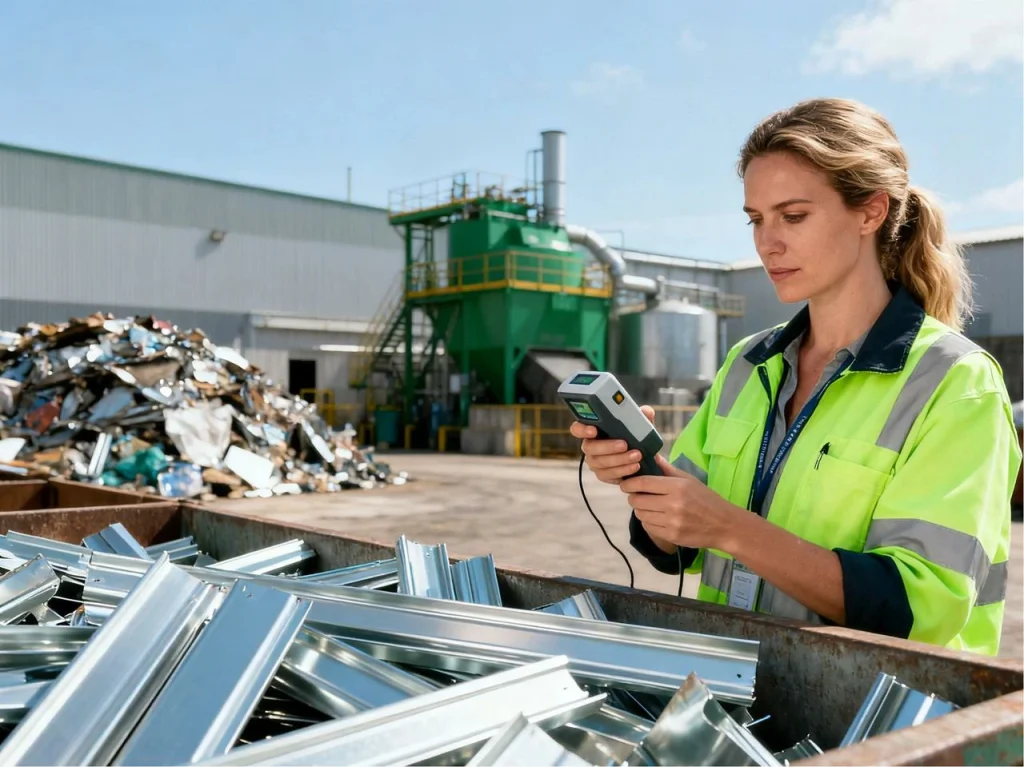
Aluminum is naturally easy to recycle and retains high value in scrap streams. The protective coatings are a small fraction of mass and are managed in remelt. Design with disassembly in mind so panels can be sorted by aluminum alloys. Clear labels and finish callouts help future recovery.
Closed-loop programs are growing in building and auto sectors. Clear specs and clean scrap bins make it easier to return value and reduce waste.
Regulations and Green Building Credits
- VOC rules support powder coat and coil coat routes because of lower emissions.
- RoHS and REACH push for chromate-free pretreatments.
- LEED v4.1 and similar rating systems may offer credits through material transparency, low-emitting processes, and energy performance.
A basic compliance checklist should note VOC content, pretreatment chemistry (chromate-free), EPD/HPD availability, and any local rules on solvents or hazardous waste.
Are powder-coated finishes more eco-friendly than paints?
In general, yes. Powder coating uses no solvents and often has higher application efficiency. Less waste leaves the plant, and durable films mean fewer recoats. That said, PVDF in coil coating can also deliver strong lifecycle results because the long service life cuts repaint cycles. The greenest choice is the one that lasts in your climate with the fewest interventions.
Market Trends, Pricing, and Innovation
Growth Drivers and Regional Outlook
Growth is tied to EV adoption, green buildings, and infrastructure. Regions with high sun and strict environmental rules tend to favor PVDF and super-durable powders. Demand in North America and the EU is strong for high-performance finishes, and many teams standardize on AAMA 2604/2605 for exteriors.
Industry estimates suggest the aluminum market could reach about $331.1B by 2035, with the coated segment rising faster as more buyers choose value-added finishes that cut maintenance.
Pricing Levers and Supply Chain
Coating cost swings with:
- Base metal price (aluminum indexes), energy, coatings resin supply (e.g., PVDF), labor, and line capacity.
- Project strategy: coil vs. post-fab finishing, batch planning to control color spread, and smart spec flexibility (for instance, super-durable powder instead of PVDF when the climate allows).
Ask for alternates during bid to keep options open without giving up key performance.
Innovation Watch
- Nano-ceramics and hybrid films targeting higher scratch and chemical resistance.
- Self-healing polymers to slow underfilm creep.
- Antimicrobial layers for high-touch surfaces.
- Digital printing on coil for wood, stone, or custom art with weatherable clears.
- AI-enabled QA for defect detection, color variance tracking, and cure optimization.
Case Studies, ROI, and Lessons Learned
EV Battery Enclosure—Weight, Durability, Range
Goal: reduce pack weight, manage chemical splash, and keep service clean.
Solution: Anodize inner surfaces for wear and chemical control; powder coat the outer shell for impact and color.
Results: Lighter pack, strong corrosion performance in testing (salt fog and chemical soak), and smoother service intervals. The blend of finishes cut touch-ups and boosted uptime.
Coastal Facade—20-Year Color and Gloss Retention
Spec: PVDF coil-coated panels aligned to a 2605-class performance level. Maintenance: mild wash on a set schedule.
Outcome: Small ΔE color shift and low chalk after long sun exposure. Facility teams reported lower annual cleaning costs and fewer water streaks. The long warranty gave confidence to budget planners.
Field Anecdote and Social Proof
Field crews share a simple lesson: professional pretreatment, the correct cure, and a clear QA plan make or break performance. For example, a powder-coated fence near the ocean can stay clean year after year when the process is right—while a simple solvent paint on steel may show corrosion early.
For companies seeking reliable parts manufacturing and precision aluminum components, U-Need offers high-quality machining, finishing, and assembly services to complement your coated aluminum projects. We ensure parts meet design, durability, and aesthetic requirements.
ROI and Total Cost of Ownership
Think in years, not months. Oil-can risk, wrong color class, or a thin film can force early rework. A PVDF or super-durable powder often pays off through fewer recoats and less downtime. Anodize saves money in wear zones where you might otherwise replace parts.
A quick method to compare systems:
- Inputs: climate class (inland, coastal), years in service (e.g., 25), cleaning cost per year, recoat cycle and cost, failure downtime cost.
- Output: net present value and payback. Often, upgrades to 2604/2605 or anodize win over a 20–30-year horizon.
Tools and Templates
- Coating selector checklist: climate, UV, salt, abrasion, budget.
- Specification template: substrate alloy, surface preparation, coat system, coating thickness, tests, and QA records.
- QA inspection form: thickness, adhesion, color/gloss, cure, documentation.
- Maintenance log: washing dates, cleaner used, notes, warranty checks.
People Also Ask—Quick Answers
- Is anodized aluminum better than powder coating? It depends. Anodize offers very high hardness and wear. Powder coating offers thick color films and impact resistance. For heavy wear, pick anodize. For broad color and shape coverage, pick powder.
- How long does PVDF-coated aluminum last in UV? Many PVDF systems are used for 20–30+ years in high sun with strong color hold when installed and maintained per spec.
- What thickness should I specify? Anodize: ~10–25 µm (up to 50 µm for hard anodize). Powder/paint: ~60–120 µm typical per coat. For coil coatings, each layer is thinner, but stacks build durability.
- Can coated aluminum touch food or drinking water? Use finishes that meet the right health approvals and cleaning standards. Check with your supplier and document compliance for your region and use.
- What is coated aluminum? It is aluminum with a protective layer added by anodizing, powder coating, or liquid paints like PVDF/PE to improve corrosion and wear resistance and appearance.
- Is aluminum coating good or bad? It’s good when matched to the job. It can cut maintenance and extend life. Mismatch the type, and you may face early color fade or underfilm corrosion.
- Which coating is best for aluminum? For top UV and color hold outdoors, PVDF is the benchmark. For wear and scratch resistance, anodize is strong. For color variety and form factor, powder coating excels. Choose based on environment and budget.
- What is the best way to coat aluminum? Prepare the surface well, pick the right system, and control the cure. For wide panels and long runs, coil coating is efficient. For assembled parts, powder coating or anodize is common.
- Does aluminum need to be coated? Aluminum is naturally corrosion resistant due to its oxide, but many uses still need more protection or a specific color/texture. Coastal, industrial, and high-UV sites almost always gain from coating.
- How to keep aluminum from corroding? Use the right pretreatment and finish. Seal cut edges. Set cleaning cycles, and avoid harsh cleaners. For intense salt or sun, choose PVDF or super-durable powder; for wear, hard anodize.

Final Takeaways
- Pick your coating based on climate, UV, chemicals, and wear—not just color.
- Control surface preparation, coating thickness, and cure. That’s where most failures start.
- Use standards and a simple TCO plan to compare systems with real numbers.
- For top exterior color hold, PVDF. For wear, anodize. For color choice and impact, powder.
- Plan cleaning and documents from day one. That keeps your warranty and your finish strong for decades.
FAQs
Absolutely! Powder coating thin aluminum is definitely possible without causing warping, but it requires a bit of extra care. The key is controlling the temperature during the curing process. Thin parts are more sensitive to heat, so it’s important to use a well-calibrated oven with consistent heat distribution. Make sure the aluminum is properly supported during the coating process to prevent any flexing or bending. You can use specialized jigs or racks to ensure even weight distribution. Additionally, it’s crucial to follow the recommended curing profiles for the specific powder you’re using. If the temperature fluctuates or the part gets too hot in certain areas, it can lead to warping or distortion. By paying attention to these factors and maintaining precise temperature control, you can achieve a smooth, durable finish without damaging the aluminum. Just be mindful of these details, and your powder-coated thin aluminum should turn out just fine!
The main difference between powder coating and painted aluminum lies in the application process and performance. Powder coating involves applying dry powder to the aluminum, which is then cured in an oven. It doesn’t release volatile organic compounds (VOCs), making it an eco-friendly option. On the other hand, paint—whether solvent-based or water-based—uses liquids that can release VOCs during the curing process. When it comes to durability, PVDF paints are great for UV resistance, making them ideal for outdoor applications where sun exposure is high. However, powder coatings shine in terms of impact resistance and edge coverage. Powder-coated finishes are tougher and more resilient to scratches, chips, and general wear and tear. So, if you need a finish that stands up to harsh conditions, powder coating might be your best bet, while paint is a solid choice for color variety and UV stability.
Yes, you absolutely can! If you want to repaint or re-powder coat aluminum, the first step is to remove the old finish. You can either strip the existing coating or lightly abrade the surface to create a rough texture for better adhesion. After that, you’ll need to prepare the surface again by cleaning it thoroughly and applying any necessary primers or conversion coatings. It’s crucial to ensure that the new coating will be compatible with the aluminum surface and the previous layer, especially when it comes to thickness limits. Keep in mind that applying multiple layers of coating might affect the overall finish, so it’s important to check with the manufacturer for the correct process and materials. With proper preparation, your aluminum can get a fresh new look and improved durability!
Clear anodized aluminum is generally quite durable and resistant to fading. The anodizing process creates a hard, protective oxide layer that helps the aluminum withstand UV exposure and harsh conditions without significant color loss. However, dyed anodized aluminum can fade over time, especially when exposed to intense sunlight. The fading largely depends on the quality of the dye and how well the anodized surface is sealed. Poor sealing or low-quality dyes can cause the color to degrade faster. Darker shades of anodized aluminum are more prone to UV damage and can show fading more noticeably compared to lighter colors. To prevent fading, ensure the anodized aluminum is sealed correctly and choose high-quality dyes designed for UV stability. With proper care and maintenance, anodized aluminum can retain its appearance for many years, but dyed finishes may need periodic touch-ups, especially in outdoor or high-sun areas.
Yes, “flake aluminum” pigments are commonly used in coatings to create metallic effects and add a shiny, reflective look. These pigments are safe when included in coating formulations that adhere to health and environmental standards. Manufacturers are required to meet safety regulations, ensuring that the pigments do not pose a risk to human health or the environment. However, it’s important to ensure that the coating you’re using is compliant with relevant safety guidelines, like those set by organizations such as the Environmental Protection Agency (EPA) or local environmental authorities. If the coating is made by a reputable manufacturer and meets regulatory standards, using aluminum flake pigments is perfectly safe.

 English
  German
  French
  Italian
  Spanish
  Polish
  Czech
Czech  Japanese