
Titanium alloy combines a rare mix of properties—high strength-to-weight ratio, excellent corrosion resistance, and proven biocompatibility—that help solve tough engineering problems across aerospace, medical, automotive, marine, and chemical sectors. This guide starts with quick, search-intent answers, then expands into types and grades, real-world applications, manufacturing routes (including 3D printing), selection frameworks, market outlook to 2035, sustainability, procurement best practices, and FAQs. You’ll get practical tools—property tables, decision steps, supplier matrices, and simple calculators—to choose the right grade, control cost, and reduce sourcing risk. We reference standards and authoritative sources so engineers, buyers, and product teams can move from research to specification with confidence.
Quick Answer—What Is a Titanium Alloy? Properties, Applications, and Limits
Understanding titanium metal characteristics and the differences between titanium and its alloys—such as Ti‑6Al‑4V, alpha-beta alloys, and beta titanium alloys—helps highlight their strength, toughness, and key applications of titanium alloys in aerospace, biomedical, and engineering applications.
Plain-language Definition of Titanium and Its Alloys—Why It Matters Now
A titanium alloy is a metal primarily composed of titanium that also includes small amounts of alloying elements—such as aluminum, vanadium, molybdenum, or tin—to improve strength, toughness, fatigue life, and temperature capability. In other words, it’s titanium engineered for performance. It matters because weight reduction and durability are now core business goals. Lighter aircraft save fuel. Long-life implants improve patient outcomes. Corrosion-resistant hardware reduces downtime in seawater and chemical plants. When the stakes are high—safety, fatigue, corrosion, heat—titanium and its alloys are often on the shortlist.
Common use cases include weight-critical aerospace structures, jet engine parts that see elevated temperatures, long-life medical implants that demand biocompatibility, and seawater-exposed marine components. If you’re asking, “What is in titanium alloy and why is it different from pure titanium?”—the short answer is that alloying elements tune the microstructure to deliver higher strength and better performance in specific environments.
Key questions you might have:
- What is titanium alloy? It’s titanium plus other elements for better mechanical properties and heat resistance.
- Is titanium alloy stronger than titanium? Yes, most titanium alloys are stronger than commercially pure titanium.
- Can you CNC machine titanium? Yes—with the right tools, speeds, and coolants you can mill, turn, drill, and bore titanium alloys effectively.
Advantages and Limitations of Titanium Alloys at a Glance
- Advantages: Titanium alloys offer a high strength-to-weight ratio, an excellent corrosion resistance due to a stable oxide layer, good fatigue performance, and proven biocompatibility for medical applications. Many grades keep strength at elevated temperatures compared with aluminum alloys.
- Limitations: Compared with stainless steel or carbon steel, titanium metal alloy is costlier to produce and more energy intensive. Machining can be challenging due to low thermal conductivity, which raises tool wear. Weldability depends on the alloy family (α, α+β, β), and availability or lead times can be longer for specialty grades and mill forms.
Fast facts and statistics
- Ti‑6Al‑4V (Grade 5) is the most widely used alloy; it’s about 90% titanium, 6% aluminum, and 4% vanadium.
- Ti‑3Al‑2.5V tubing can cut hydraulic line weight by roughly 40% versus steel tubing of similar strength.
- Titanium aluminides (a different class for high temperatures) are expected by various industry forecasts to grow from about USD 437 million (2025) to over USD 1.23 billion by 2035.
- Emerging vanadium‑free and ductile titanium alloys aim to lower material cost and simplify supply, with reports of up to about 29% cost reduction in certain cases.
These quick stats simply show why titanium alloys are used in high‑value, weight‑sensitive parts where corrosion resistance and long life matter.
Alloy families overview (α, β, α+β)
All titanium alloys fall into three main families whose microstructure drives behavior:
- Alpha (α) alloys: Great corrosion resistance, good fracture toughness, and good stability at moderate temperatures. Think marine and chemical hardware, and some aerospace uses.
- Alpha‑beta (α+β) alloys: Balanced strength and ductility; the workhorse group that includes Ti‑6Al‑4V (Grade 5).
- Beta (β) alloys: Heat-treatable to very high strength, with good formability in solution-treated conditions; used in high-performance aerospace and fasteners.
To put it simply: α for corrosion and creep resistance, α+β for balanced properties, and β for high strength with heat‑treatability.
Titanium Alloy Types and Grades
To understand titanium uses and its diverse titanium and its alloys, it helps to examine how alloys contain different elements—like in Ti‑6Al‑4V, alpha alloys, and beta titanium alloys—which tailor physical properties, strength and toughness, tensile strength and toughness, resistance to corrosion and heat, and even biomedical applications.

Commercially Pure (Grades 1–4): when and why to use
Commercially pure titanium (often called CP titanium) includes Grades 1 through 4. These grades have minimal alloying elements and differ mainly by oxygen and iron content. The result is a set of grades with rising strength but reduced ductility as the grade number increases. Grade 2 is common because it balances strength, ductility, and formability with excellent corrosion resistance. You’ll find CP titanium in heat exchangers, desalination equipment, chemical process vessels, and some aerospace components where formability and corrosion resistance are more important than high strength.
If your environment is chloride‑rich, like seawater or certain chemical plants, CP grades deliver reliable resistance with lower cost than high‑performance alloys. They also are easier to weld than many high‑strength alloyed grades.
Alpha, Beta, and Alpha‑Beta families—microstructure and behaviors
The structure of titanium alloys (α, β, or α+β) guides properties such as tensile strength, creep resistance, and toughness. The table below summarizes families in a way that helps with first‑pass selection.
| Family | Typical alloys (examples) | Typical tensile strength (MPa) | Useful service temperature | Corrosion profile | Common forms |
|---|---|---|---|---|---|
| Alpha (α) and near‑α | CP Grades 1–4; Ti‑5Al‑2.5Sn | ~240–620 | Up to ~400–500°C for near‑α | Excellent in many chlorides and seawater | Plate, sheet, tube, forgings |
| Alpha‑beta (α+β) | Ti‑6Al‑4V (Grade 5), Ti‑6Al‑4V ELI (Grade 23), Ti‑3Al‑2.5V | ~800–1100 | Up to ~315–400°C typical | Very good; stable oxide film | Bar, plate, tube, forgings, AM powder |
| Beta (β) | Ti‑10V‑2Fe‑3Al, Ti‑15‑3 | ~1000–1400 (heat‑treated) | Typically up to ~300–450°C | Good to moderate; often surface‑treated | Strip, sheet, bar, fasteners, springs |
Values are indicative and vary with product form, heat treatment, and standard.
Workhorse grades: Ti‑6Al‑4V (Grade 5) and Grade 23 ELI
Ti‑6Al‑4V (Grade 5) is the “go‑to” alloy because it offers high strength-to-weight, solid fatigue resistance, and good corrosion behavior across many environments. It is used in aerospace structures, jet engine hardware, medical implants, and high‑performance automotive components. Grade 23 (also called ELI—extra low interstitials) is a cleaner version of Ti‑6Al‑4V, with lower oxygen, nitrogen, and carbon for improved fracture toughness and biocompatibility. Grade 23 is popular for surgical and dental implants.
Key properties (typical ranges; consult standards for exact requirements):
| Property | Grade 5 (Ti‑6Al‑4V) | Grade 23 (Ti‑6Al‑4V ELI) |
|---|---|---|
| Density | ~4.43 g/cm³ | ~4.43 g/cm³ |
| Modulus of elasticity | ~110 GPa | ~110 GPa |
| Ultimate tensile strength | ~900–1000+ MPa | ~860–950 MPa |
| Yield strength (0.2% offset) | ~800–880 MPa | ~795–860 MPa |
| Elongation | ~10–14% | ~10–15% |
| Fatigue strength (R=–1, polished; indicative) | ~500–600 MPa | ~480–560 MPa |
ELI’s extra cleanliness helps in fracture‑critical medical and aerospace parts, where toughness and fatigue crack growth resistance matter.
Specialty and emerging options
You’ll see Ti‑3Al‑2.5V called out for tubing because it forms well and delivers strong, light tubes for hydraulics and air systems—often 30–40% lighter compared with steel tubes at similar strength. Titanium aluminides, while different from “standard” Ti alloys, are used in hot turbine sections for high temperature and low density. On the cost side, vanadium‑free beta and alpha‑beta alloys are being developed to ease supply and reduce price. For additive manufacturing (AM), AM‑tuned compositions and powder standards are now common, so parts can be printed with controlled microstructure and then hot‑isostatically pressed (HIP) for full density.
Titanium Alloy Applications and Case Studies
Building on the diverse titanium steel alloy types—from Ti‑6Al‑4V to beta titanium alloys—understanding specific applications of titanium and beta alloys highlights how their strength, corrosion resistance, and heat tolerance drive performance across aerospace, biomedical, automotive, and marine industries.
Aerospace—weight savings, fuel efficiency, reliability
In aerospace, every kilogram saved can compound across the life of the aircraft. Titanium’s high strength-to-weight ratio allows thinner gages and lighter structures compared with stainless steel. Typical parts include airframe fittings, landing gear components, pylons, nacelle hardware, fasteners, and many jet engine components. Titanium keeps strength at elevated temperatures better than most aluminum alloys, so it often sits between aluminum and nickel alloys in the engine and airframe mix.
The payoff is simple: weight down, fuel burn down. Hydraulic and pneumatic lines made from Ti‑3Al‑2.5V tubing can reduce weight by around 40% versus steel tubing, improving range and payload. Engines may use titanium for compressor blades and cases up to certain temperature limits, with titanium aluminides in hotter sections where weight and heat resistance both matter.
Medical implants and devices—biocompatibility, longevity
Titanium alloys are widely used in orthopedic and dental implants because of their biocompatibility, high strength, and corrosion resistance. Grade 23 ELI is common for hip stems, spinal hardware, trauma plates, and dental implants. Grade 5 appears in surgical instruments and some implant systems where high strength is valuable. Surface finish and roughness affect osseointegration—the way bone grows onto an implant—so surface modification of titanium (e.g., blasting, anodizing, or coatings) is as important as alloy choice. Sterilization routes and regulatory standards round out material selection because the alloy, the process, and the finished surface all impact clinical performance.
Automotive & motorsport—performance without compromise
In cars and racing engines, weight impacts acceleration and fuel economy. Titanium alloy connecting rods, valves, and retainers improve response while cutting mass. Exhaust systems benefit from high temperature strength and corrosion resistance. The trade‑off is part cost versus performance gain. For short runs and complex shapes, selective laser melting (SLM) or electron beam melting (EBM) can 3D‑print brackets and heat‑resistant components, reducing tooling cost and lead time. For larger batch sizes, forged or machined α+β alloys remain the norm.
Marine, chemical, and energy—harsh‑environment resilience
Titanium alloys shine in seawater and chloride‑rich environments thanks to their passive oxide layer. Marine shafts, heat exchangers, hull structures, and desalination equipment last longer and require less maintenance compared with many stainless steels. In chemical plants, titanium resists many acids and chlorides; in energy, titanium shows up in condensers, offshore risers, and even emerging hydrogen storage hardware where weight and corrosion matter. When exposure is continuous and replacement is hard or costly, corrosion resistance and fatigue life often outweigh higher purchase price.

Manufacturing and Processing—From Ore to Finished Part
Understanding the types of titanium alloys—from alpha, alpha-beta, to beta titanium alloys—and their engineered properties, such as tensile strength, corrosion resistance, and special performance, provides context for how commercial titanium and grades like Ti–6Al–4V and Grade 23 titanium are processed, tailored, and transformed from ore to finished, lightweight, and high-performance components.
Kroll process to sponge, then melting routes (VAR/ESR)
Titanium production typically starts with ore (often ilmenite or rutile). The Kroll process reduces titanium tetrachloride to titanium “sponge,” which is then compacted and melted into ingots. Vacuum arc remelting (VAR) and, in some cases, electro‑slag remelting (ESR) help refine the alloy and control defects. Clean melting is critical because titanium is sensitive to oxygen, nitrogen, and hydrogen pickup. These steps influence mechanical properties, fatigue life, and cost.
Wrought Processing and Heat Treatment of Titanium Alloys
From ingot, mills produce billets, slabs, and blooms that are forged, rolled, or extruded into bars, plates, and tubes. Heat treatment is used to tune microstructure—solution treatment plus aging in α+β alloys increases strength; stress relief reduces residual stress after forming or machining. Near‑α alloys may be processed to improve creep resistance for elevated temperatures, while β alloys are heat‑treated for very high tensile strength in fasteners and structural parts.
Additive manufacturing (3D printing) of titanium
Additive manufacturing lets you print near‑net‑shape titanium components with internal channels, lattices, and topology‑optimized structures. Common processes include powder bed fusion via selective laser melting and electron beam melting, and directed energy deposition for larger repairs and builds. Post‑processing (HIP, heat treatment, machining) reduces porosity and equalizes properties.
AM vs wrought titanium (summary):
| Aspect | Wrought titanium | AM titanium (PBF/DED) |
|---|---|---|
| Lead time for new geometry | Longer (tooling, dies) | Shorter (no hard tooling) |
| Buy‑to‑fly ratio (material use) | Can be high (more machining) | Often lower (near‑net‑shape) |
| Surface condition | Smooth mill finish | As‑built roughness; machining often required |
| Porosity | Low with proper melting | Needs HIP/heat treat for best fatigue |
| Mechanical properties | Well characterized | Comparable after HIP/HT; anisotropy must be managed |
| Design freedom | Conventional | High—internal channels, lattices |
Machining, Welding, and Finishing Titanium Alloys Effectively
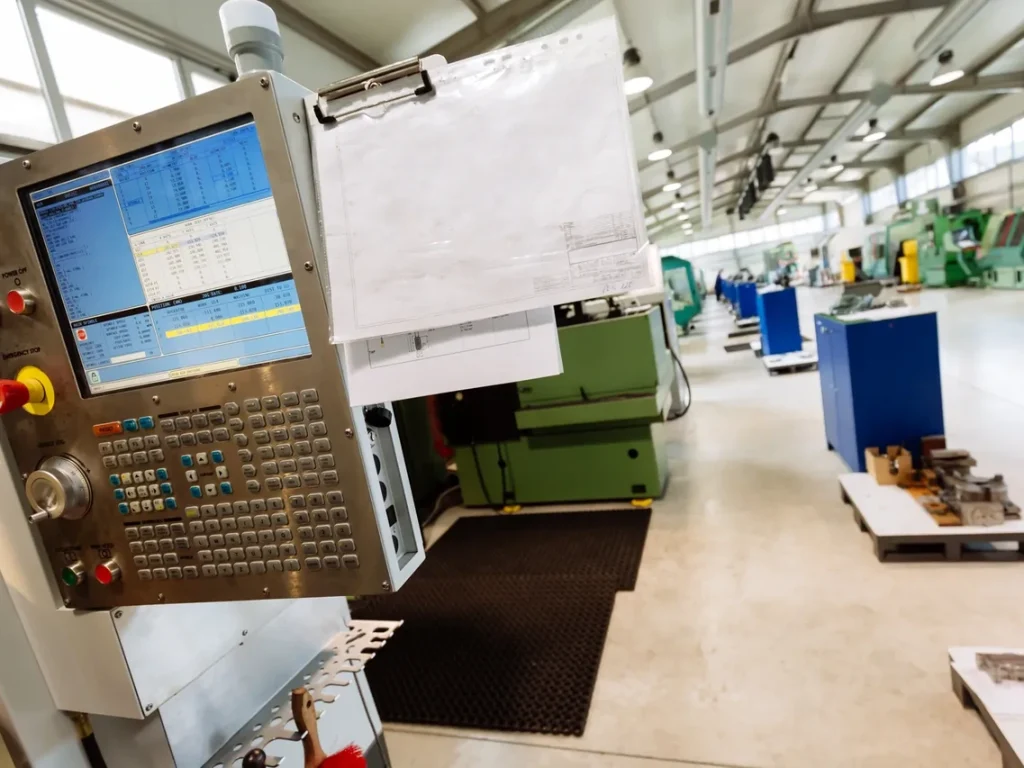
Can you CNC machine titanium? Yes. You can CNC mill, turn, drill, and bore titanium alloys with great precision. The key is heat control and chip evacuation. Titanium’s low thermal conductivity traps heat at the cutting edge, so using sharp tools, rigid setups, lower surface speeds, high feed per tooth, and high‑pressure coolant is essential. Chip control is critical to avoid rubbing. Carbide tools are common; coated carbides or ceramics may help in stable turning. For drilling, use peck cycles and through‑tool coolant to avoid built‑up edge. For cnc milling, climb milling with constant tool engagement helps; for cnc turning, keep a stable DOC to avoid work hardening; for cnc drilling and cnc boring, maintain coolant flow and avoid dwelling. If you must cut dry, use compressed air and accept reduced tool life. Always consult toolmaker data for Ti‑6Al‑4V speeds and feeds and run test cuts on your machine.
Why are titanium alloys difficult to machine? They hold heat at the tool/workpiece interface, they tend to gall if rubbing occurs, and they spring back due to lower modulus. This boosts tool wear and can cause chatter if the setup isn’t rigid. With the right approach, you can machine titanium alloys effectively and repeatably.
Welding is widely done by GTAW (TIG) or electron beam. Shielding is vital because molten titanium absorbs oxygen and nitrogen, which embrittle the weld. Many α and α+β alloys weld well; β titanium alloys can be more sensitive. After welding, stress relief and surface finishing (anodizing, polishing, coatings) may be applied. Surface treatments can improve fatigue and corrosion but should be qualified because surface roughness and residual stress affect performance.
Choosing the Right Titanium Grades and Alloys: A Practical Framework
With so many types of titanium alloys—from near-alpha alloys to alpha-beta titanium alloys—and the wide range of properties of titanium alloys that can be tailored through composition, heat treatment, and processing, understanding how grades of titanium alloys differ is essential before choosing the strongest titanium alloy or the right Ti–6Al–4V alloy for your application.
Decision tree: environment, load, temperature, life, standards, budget
Use this quick step‑by‑step approach:
- Environment: Is it seawater, chemical/chloride, body contact, or dry air?
- Seawater or chlorides: favor CP titanium or α/α+β grades with strong corrosion resistance.
- Body contact: select Grade 23 ELI or implant standards.
- High‑temperature air: check near‑α or α+β grades with proven creep resistance.
- Load type and fatigue: Static or cyclic? Notch‑sensitive?
- High fatigue or notch: use α+β with clean microstructure (e.g., ELI) and controlled surface finish.
- Temperature: Maximum service °C?
- Below ~315°C: many α+β grades suit.
- Up to ~400–500°C: near‑α alloys.
- Above this range: consider titanium aluminides or nickel alloys.
- Form and process: Bar, plate, tube, casting, AM powder?
- Thin wall tubing: Ti‑3Al‑2.5V or CP Grades.
- Complex shape or low volume: consider AM with HIP.
- Standards and certifications: ASTM, AMS, ISO, or medical/aerospace?
- Map grade to an established standard and form to simplify qualification.
- Budget and availability: Target lead time, MOQ, and total cost.
- Consider near‑net‑shape routes and recycled content to reduce cost.
Design trade‑offs that matter
- Machinability vs strength/hardness: Higher strength can mean more tool wear. In early design, select the lowest strength that meets load and fatigue targets to reduce machining cost.
- Weldability vs β content: Many α and α+β alloys weld well; some β alloys need tighter controls. If welding is critical, pick a weld‑friendly grade and follow shielding best practices.
- Cost vs lifecycle: Titanium may cost more upfront than stainless steel, but long life, lower maintenance, and lighter weight can reduce lifecycle cost. In seawater service or in fatigue‑limited parts, titanium’s total cost of ownership often wins.
Standards mapping and procurement specs
| Grade | Common standards (examples) | Typical forms |
|---|---|---|
| Grade 2 (CP Ti) | ASTM B348 (bars), ASTM B265 (plate/sheet), ASTM B338 (seamless tube), ISO 5832‑2 (implants—CP) | Bar, plate, tube, pipe |
| Grade 5 (Ti‑6Al‑4V) | ASTM B348 (bars), ASTM B265 (plate/sheet), AMS specs for aerospace bars/forgings | Bar, plate, forging, wire |
| Grade 23 (Ti‑6Al‑4V ELI) | ASTM F136 (implants), ASTM B348 (bars), ASTM B265 (plate) | Implant bar, plate, wire |
| AM Ti‑6Al‑4V | ASTM F2924 (PBF), ASTM F3001 (ELI‑PBF), ISO/ASTM 52900 series | Powder, printed parts |
Always confirm the current revision of standards and any additional aerospace or medical approvals.
People Also Ask (quick hits)
- Which titanium alloy is best for implants? Grade 23 (Ti‑6Al‑4V ELI) is common due to its cleanliness and toughness; some CP grades are used for certain implant forms.
- What titanium grade resists seawater corrosion? CP Grades (especially Grade 2) and many α/α+β alloys show excellent corrosion resistance in seawater. Surface finish and design still matter.
- Can titanium alloys handle high temperatures in turbines? Standard Ti alloys are used up to moderate temperatures (hundreds of °C). For hotter turbine parts, titanium aluminides or nickel alloys are used.
- How do I pick a titanium grade for lightweight tubing? For thin‑wall tubing with good formability and strength, Ti‑3Al‑2.5V is a common choice.
Global Market, Suppliers, and Pricing 2025–2035
To bridge from grades and applications to the broader industry landscape, it’s important to recognize that titanium alloys—whether α, α+β, or β types—are engineered for specific properties like strength, toughness, corrosion resistance, and lightweight performance. These alloys, made by combining titanium with elements such as aluminum, vanadium, or molybdenum, not only define the material’s capabilities but also shape global demand, supplier networks, and pricing trends, as industries seek solutions that are lighter than steel yet retain exceptional performance.
Market snapshot and forecast
Demand for titanium alloys grows with aerospace build rates, medical implant needs, and industrial projects like desalination and chemical plants. Lightweighting and corrosion resistance continue to drive use, while additive manufacturing expands design options and reduces buy‑to‑fly ratios for complex parts. Industry forecasts suggest titanium aluminides used in hot section engine parts may rise from roughly USD 437 million in 2025 to more than USD 1.23 billion by 2035. The signal is clear: high‑temperature, high‑strength alloys with low mass will gain share where they save fuel and cut emissions.
Major producers and distributors—who does what
The supply chain ranges from integrated producers (ore to sponge to mill) to forgers, powder makers, additive service bureaus, and stocking distributors. For aerospace and medical uses, supplier choice often includes qualification history, heat lot traceability, and testing capability. A practical supplier matrix can help organize options without naming brands:
- Columns to include: Region, Mill products (bar/plate/tube), Forging capability (press size), Process routes (VAR/ESR/AM), Certifications (AS9100, ISO 13485), Typical lead times, Minimum order quantities, Value‑added services (cnc milling/grinding, heat treatment, NDT).
- For each candidate, record forms, grade range, and standards coverage (ASTM/AMS/ISO) to match your spec.
Pricing and cost drivers
Titanium pricing reflects raw material costs (ore and sponge), energy for melting and conversion, yield losses during machining, and scrap credits. Certification and testing affect cost; aerospace and medical approvals add steps, audits, and documentation. Prices vary by form (sheet vs bar vs seamless tube), grade (CP vs alloy), and order size. When comparing to stainless steel or nickel alloys, consider total cost of ownership: titanium’s corrosion resistance can reduce downtime, and lighter designs can improve efficiency or payload.
Cost optimization ideas:
- Choose the lowest performing grade that still meets strength, fatigue, and corrosion needs.
- Reduce machining volume through near‑net‑shape forging or AM.
- Use recycled material streams where standards allow.
- Consolidate parts or introduce lattices to reduce mass and material use.
Trends and innovations shaping supply
Five trends stand out:
- Vanadium‑free β and α+β alloys to improve affordability and simplify supply.
- Additive manufacturing for complex, low‑volume, or topology‑optimized parts with competitive lead time.
- Near‑net‑shape forging and precision forming to shrink buy‑to‑fly ratios.
- Localization and supply security initiatives for strategic sectors.
- Increasing recycled content and new low‑carbon process routes to cut emissions and cost.
Sustainability, Recycling, and Compliance
As titanium alloys are engineered by combining different properties, from alpha and alpha‑beta alloys to specialized alpha titanium alloys, understanding how these types of titanium alloys are made, recycled, and processed is essential—not only for performance and sustainability but also to meet the regulatory and certification requirements that govern their use in aerospace, medical, and industrial applications.
Environmental footprint—where emissions occur
The Kroll process and melting are energy‑intensive stages. Emissions are driven by electricity and heat inputs for ore reduction, sponge production, and high‑temperature melting. Secondary processing (rolling, forging, machining) adds energy use, and scrap handling can help offset virgin input. Published life‑cycle assessments show wide ranges because energy sources, plant efficiency, and scrap rates vary. What’s consistent is that cleaner electricity and higher recycling rates reduce the footprint.
Recycling and circularity—closing the loop
Titanium scrap is valuable. Closed‑loop programs—collecting offcuts and turnings from machining and remelting them—cut virgin material needs and reduce cost and emissions. Segregating scrap by alloy and cleanliness is essential. High‑quality revert streams feed back into VAR remelts for aerospace and medical products when standards permit. If your application allows, specifying recycled content targets and requiring mill certificates can help push a circular supply chain.
Low‑carbon processes and new technologies
Emerging routes like electrochemical reduction (for example, FFC‑type processes) aim to reduce steps and energy demand. There are also efforts to blend recycled feedstock at higher ratios while still meeting aerospace and medical standards. These technologies could lower both cost and CO₂ per kilogram of titanium in the long run. The near‑term risk is scale‑up and qualification time, especially for flight‑critical parts that follow strict approval paths.
Regulatory and certification landscape
- Aerospace often requires AS9100 quality systems and process approvals for melting, forging, heat treatment, and NDT.
- Medical devices require ISO 13485, biocompatibility standards, and material specifications such as ASTM F136 for Grade 23 ELI.
- Environmental compliance may include REACH and local emission reporting.
- For international shipments, be aware of export controls and origin documentation.

Procurement Playbook and Tools
Because alloys of titanium are generally engineered by combining titanium to achieve special properties—from alpha and alpha‑beta titanium alloys to grades optimized for cutting titanium or tailored performance—understanding these materials’ characteristics is crucial when sourcing, specifying, and qualifying suppliers in your procurement playbook.
Supplier qualification checklist
Use this step‑by‑step checklist to qualify suppliers:
- Verify quality systems (AS9100, ISO 9001, ISO 13485 if medical).
- Confirm melt routes (VAR/ESR), material cleanliness targets, and chemistry control.
- Request mill test reports (MTRs), heat lot traceability, and certificates of conformance.
- Confirm NDT capability (UT, RT), mechanical testing, and microstructure analysis as required.
- Audit documentation packs for standards compliance (ASTM/AMS/ISO).
- Review capacity, lead times, MOQs, and on‑time delivery performance.
- Check handling of scrap and rework; confirm identification and segregation.
- Align on packaging and corrosion protection for shipping.
RFQ and specification templates
An effective RFQ includes:
- Grade and standard (e.g., Grade 5 to ASTM B348).
- Form and size (bar, plate, tube, powder), tolerances, and surface finish.
- Heat treatment condition and any stress relief.
- NDT and testing requirements, sampling plans, and acceptance criteria.
- Documentation: MTRs, CoC, compliance (RoHS/REACH), and country of origin.
- Quantity, delivery window, incoterms, and packaging.
- Any special machining, cnc turning/milling, or finishing before delivery.
Calculators and interactive tools
Three quick calculators can help business cases and early design:
- Weight savings: Compare titanium vs steel or aluminum using density and part volume.
- Rough cost estimator: Input form, grade, and quantity to model material and conversion costs.
- CO₂ savings estimate: Combine weight reduction with typical energy use per unit of mass transported or operated to estimate lifecycle benefits.
Risk management and logistics
Lead times and MOQs can be long for specialty grades. Mitigate by dual‑sourcing, holding contingency stock for critical parts, and locking schedules with suppliers. For international shipments, agree on incoterms early, consider climate‑controlled freight for humidity‑sensitive items, and use packaging that prevents mechanical damage and corrosion. Keep export control and end‑use documentation ready to avoid clearance delays.
Key takeaways and next steps
- Choose titanium when you need high strength-to-weight, long fatigue life, and excellent corrosion resistance, especially in seawater or the human body.
- For general engineering, α+β alloys like Grade 5 cover a wide range of needs; for implants, Grade 23 ELI is the clinical workhorse; for tubing, Ti‑3Al‑2.5V is proven; for highest strength, β titanium alloys are candidates with the right heat treatment.
- Manufacturing routes matter: wrought and AM can both meet demanding specs when processed and inspected correctly.
- Watch market trends: AM adoption, vanadium‑free grades, near‑net‑shape forming, and low‑carbon routes will shape cost and availability through 2035.
- Use the decision steps, property tables, and procurement checklist to finalize a grade and spec, then qualify suppliers who can meet your standards on time and at the right total cost.
By understanding families, properties, and processing routes—and by matching them to your environment, loads, and certifications—you can select and source the right titanium alloy with confidence.
FAQs
Titanium alloy is titanium mixed with elements like aluminum or vanadium to improve strength, ductility, and high-temperature performance. Depending on the mix, you get alpha, alpha-beta, or beta alloys, each suited for aerospace, medical, automotive, or industrial uses. Alloys let engineers tailor properties like fatigue resistance, corrosion resistance, and machinability. While pure titanium is already lightweight and corrosion-resistant, alloys offer higher strength and versatility, making them ideal wherever lightweight durability is critical. Essentially, titanium alloys combine titanium’s natural advantages with engineered improvements for specialized applications.
Titanium alloys are generally stronger than pure titanium. Pure titanium is lightweight and corrosion-resistant but relatively soft. Adding elements like aluminum or vanadium creates alloys with higher tensile strength, better fatigue resistance, and improved performance at elevated temperatures. While some high-strength steels may have higher absolute strength, titanium alloys often win in strength-to-weight ratio, making them perfect for aerospace, automotive, and medical applications where keeping weight low without sacrificing durability is crucial.
Titanium alloys are costly and harder to work with than steel or aluminum. Production requires energy-intensive processes, precise chemical control, and specialized melting. Machining is challenging due to heat buildup, tool wear, and work-hardening. Welding needs strict shielding to avoid embrittlement. Thermal conductivity is low, and some alloys are prone to galling or surface damage. Designers must balance cost, manufacturing complexity, and application demands despite the alloys’ strength, lightweight, and corrosion resistance advantages.
Pure titanium is a single element: lightweight, corrosion-resistant, but relatively soft. Titanium alloys mix titanium with other metals to increase strength, fatigue resistance, and temperature performance. Alpha alloys excel at corrosion resistance, alpha-beta alloys balance strength and ductility, and beta alloys can be heat-treated for high strength. Alloys let engineers tailor properties for aerospace, medical, or automotive applications, where pure titanium wouldn’t meet performance requirements.
Yes, but titanium alloys are tougher to machine than steel or aluminum. They generate heat quickly, work-harden, and wear tools faster. CNC machining is feasible with sharp, wear-resistant tools, proper feeds and speeds, and effective cooling. Modern techniques allow high-precision turning, milling, and drilling, enabling complex shapes and tight tolerances for aerospace, medical, and automotive parts, despite the material’s demanding nature.
Titanium alloys are challenging due to low thermal conductivity, high strength, and work-hardening tendencies. Heat builds up at the tool, cutting forces are high, and the material can stick to tools (galling). Precision machining requires sharp, durable tools, optimized speeds and feeds, and plenty of coolant. With careful planning, manufacturers can still produce accurate, high-performance aerospace, medical, and industrial components.



 English
  German
  French
  Italian
  Spanish
  Polish
  Czech
Czech  Japanese