
As engineers and designers push for lighter, higher-performance components across aerospace, UAV, automotive, and electronics industries, magnesium has emerged as a compelling alternative to standard aluminum and steel. Boasting ultra-low density, excellent machinability, natural vibration damping, and reliable thermal and electromagnetic shielding properties, magnesium alloys deliver unmatched weight-saving benefits for precision CNC parts. Yet this lightweight advantage comes with critical tradeoffs: flammable chips and dust, strict process safety rules, alloy-specific machining behaviors, and unique finishing and corrosion considerations.
This practical guide breaks down everything you need to know about magnesium CNC machining—from alloy selection and process planning to risk control, cost evaluation, and real-world applications—to help you confidently decide if magnesium is the right choice for your next project.
はじめに
Whether you are an engineer, procurement buyer, or machinist, choosing magnesium for CNC machining requires balancing performance benefits, practical process limits, and operational safety.
Define the decision problem: lightweight performance vs machining risk
Magnesium CNC machining is usually considered when weight reduction has become a real engineering constraint. The part may be a housing, bracket, chassis, heat sink, steering component, UAV structure, or vibration-sensitive frame. Aluminum may already be under review, but the design team needs more weight reduction without moving to a much weaker or less stable material.
That benefit comes with a trade-off. Magnesium is easier to cut than many common metals, but it is also a flammable metal in chip and dust form. The machining decision is not only about whether a CNC mill or lathe can remove material. It is also about alloy choice, chip control, coolant policy, fire protection, finishing, inspection, and supplier experience.
The key decision is simple: magnesium can be a good CNC material when the part needs low weight, good machinability, damping, heat transfer, or electromagnetic shielding. It becomes a poor choice when the shop cannot control chips and dust, when the geometry creates excessive heat or thin fragile features, or when corrosion and finishing needs are not understood.
Preview evaluation logic: feasibility, process, trade-offs, risks, cost, applications
A practical magnesium CNC machining review should move through six questions:
- Is magnesium the right material compared with aluminum, steel, or another alloy?
- Can the selected magnesium alloy be machined safely and held to the required geometry?
- Which machining process fits the part: milling, turning, drilling, or multi-axis machining?
- What fire prevention and chip handling controls are needed?
- What tolerance, surface finish, burr, and tooling issues may affect quality?
- What cost and lead time factors should be checked before release?
This article follows that decision path. It does not treat magnesium as a direct drop-in replacement for aluminum. In some cases, magnesium gives a useful weight and machinability advantage. In other cases, aluminum is simpler, cheaper to source, easier to finish, and less demanding from a shop safety point of view.
Search intent match: engineers comparing magnesium, aluminum, and other CNC materials
Most searches for magnesium CNC machining come from engineers, buyers, or machinists who are comparing materials. The real question is rarely “what is magnesium?” It is more often: can this part be made, can it be made safely, and does the benefit justify the extra process control?
For that reason, this guide focuses on feasibility rather than general material theory. It explains where magnesium works well, where it fails, and what should be verified before moving from CAD to RFQ or production.
What Is Magnesium CNC Machining and Why It Matters
Understanding the fundamentals of magnesium CNC machining helps engineers and designers grasp its core definition, unique material advantages, and key physical properties that directly impact part performance and manufacturability.
Magnesium CNC machining definition for precision lightweight components
Magnesium CNC machining is the controlled removal of material from a magnesium alloy workpiece using computer numerical control equipment. CNC milling, turning, drilling, and multi-axis machining can all be used to produce precision lightweight components.
The workpiece may be a plate, billet, bar, casting, or near-net-shape blank. The CNC program controls tool paths, feeds, spindle speed, and tool engagement. The process can produce complex pockets, thin walls, mounting features, threaded holes, sealing faces, and exterior profiles.
The reason magnesium matters is that it changes the weight equation. It can reduce part mass, but lower density does not mean equal stiffness in a direct material swap. Geometry, wall thickness, and load path still determine whether the finished part will remain stiff enough for the application. This is useful in applications where every gram affects payload, ergonomics, fuel use, handling, or vibration response.
Why magnesium is used when aluminum is not light enough
Magnesium is reported as about 33% lighter than aluminum. Pure magnesium density is listed in the provided research as 1.74 g/cm³, while common magnesium alloys such as AZ31, AZ91, and WE43 are close to that range. These values should be verified against the governing material standard for the purchased form.
This weight advantage is the main reason magnesium enters a design review. Aluminum is already a light engineering metal, but it may not be light enough for UAV frames, portable electronics, hand tools, camera bodies, automotive brackets, or aerospace housings.
Magnesium is not selected only because it is light. It also has useful damping behavior. That means it can help reduce vibration and noise in components such as power tool housings, sporting goods, and precision instrument bodies. It also offers good thermal conductivity and electromagnetic shielding, which can support electronics chassis, camera bodies, and heat sink designs.
Key properties affecting machining: density, strength-to-weight, damping, thermal conductivity
The machining behavior of magnesium is tied to several material properties.
Low density is the most obvious. Lower mass is usually pursued through thinner sections and more aggressive light-weighting, and those geometries are more sensitive to clamp load and stress release during machining. Thermal conductivity can help move heat away from the cut, but cutting stability, chip evacuation, and tool sharpness usually matter more than bulk material properties for process safety and dimensional control.
Strength-to-weight is the second factor. Magnesium alloys may not have the absolute strength of steels, but their low density can make them attractive where specific strength matters. The supplied data lists approximate strengths of about 250 MPa for AZ31, 280 MPa for AZ91, and 320 MPa for WE43. These are benchmark values only and should be checked against the required alloy, temper, product form, and specification.
Damping is another design driver. Parts that need to resist vibration or reduce noise can benefit from magnesium’s natural damping properties. This is one reason it appears in tools, sporting goods, electronics, and precision equipment.
Thermal conductivity also affects applications and machining. In a finished part, it can help move heat away from electronics or compact assemblies. During machining, heat removal still depends on chip evacuation, tool geometry, cutting conditions, and whether dry or wet machining is used.
Table: Magnesium alloy properties to verify with ASTM / ISO references
The following values are useful as early screening data only. They are not a substitute for certified material data. Final design allowables should be verified with ASTM, 国際標準化機構, customer specifications, or material supplier certificates.
| Alloy / material | Approx. density from supplied research | Approx. strength from supplied research | Decision relevance | Verification note |
|---|---|---|---|---|
| Pure magnesium | 1.74 g/cm³ | Not provided | Useful reference for density only; rarely the final CNC material choice for structural parts | Verify against applicable material reference |
| AZ31 | 1.77 g/cm³ | ~250 MPa | Common magnesium alloy family; used where low weight and machinability matter | Verify alloy form, temper, and standard |
| AZ91 / AZ91D | 1.81 g/cm³ | ~280 MPa | Widely used magnesium alloy family with balanced properties; AZ91D is common in die casting and machining contexts | Verify casting or wrought condition and specification |
| WE43 | 1.80 g/cm³ | ~320 MPa | Rare earth magnesium alloy; used where higher strength and corrosion resistance are important | Verify aerospace or customer-specific requirements |
Feasibility: Can Your Magnesium Part Be Machined?
Feasibility relies heavily on alloy characteristics, part geometry, shop capabilities, and potential operational risks, all of which we break down in the following key areas.
How magnesium alloy selection affects machinability
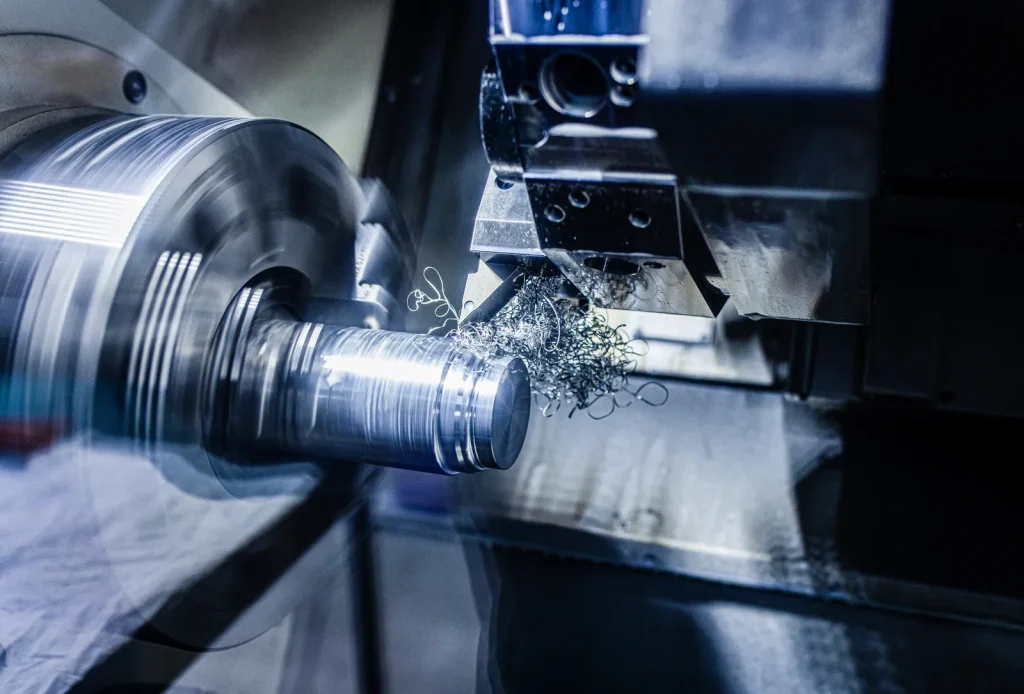
How magnesium alloy selection affects machinability is one of the first checks in a project review. Magnesium is generally known for good machinability. The supplied research states that it requires lower cutting forces than aluminum and can support faster feeds, higher speeds, and reduced tool wear potential in suitable conditions.
That does not mean all magnesium alloy machines are the same way. Alloy chemistry, product form, heat treatment, casting quality, and stock condition all affect chip behavior, surface finish, burr formation, and dimensional stability. A wrought plate may behave differently from a casting or a part machined from a near-net blank.
AZ91D is often discussed because it has balanced properties and is widely used. WE43 may be selected for higher-performance applications where corrosion resistance and strength are more important. AZ31 and AZ31B may appear in sheet, plate, or wrought product discussions. Each alloy should be tied to the part function before machining is considered.
Challenges of machining AZ31B magnesium alloy and other common grades
The challenges of machining AZ31B magnesium alloy are not only about cutting the metal. The buyer should check material form, flatness, thickness, feature depth, and finishing needs. AZ31-type alloys are used where low weight is important, but thin sections and large flat areas can create workholding and distortion concerns.
Common machining risks across magnesium grades include heat buildup, poor chip evacuation, burrs at edges, and surface finish variation if tools are not sharp or cutting conditions are not stable. Magnesium can machine cleanly, but fine chips and dust raise fire and housekeeping concerns.
AZ91D and WE43 bring their own checks. AZ91D may be attractive because it is widely used and has balanced properties. WE43 may be chosen where higher strength or corrosion resistance matters, but material cost, availability, and documentation needs may affect lead time. In all cases, machining feasibility depends on the actual stock, not only the alloy name.
When magnesium CNC machining is not suitable
When magnesium CNC machining is not suitable, the reason is often not one single issue. It is usually a combination of design, environment, safety, and documentation problems.
Magnesium may be a poor fit when the shop lacks controls for flammable metal chips and dust. It may also be unsuitable when the part has extremely thin walls, deep narrow pockets, or poor workholding access that makes heat and chip evacuation hard to control. Designs that require aggressive finishing, severe corrosion exposure, or uncertain coating performance need extra review.
Magnesium is also not the best choice when the weight saving does not change product performance. If aluminum meets the mass target, strength need, corrosion requirement, cost target, and sourcing plan, it may be the simpler CNC material.
Decision matrix: geometry, alloy, volume, safety controls, finishing needs
| Feasibility factor | Favorable for magnesium CNC machining | Risk condition to review |
|---|---|---|
| 幾何学 | Open pockets, stable walls, accessible features, good chip evacuation | Deep closed pockets, very thin walls, weak tabs, difficult clamping |
| 合金 | Known alloy with available material data and machining experience | Unclear alloy condition, limited documentation, uncertain corrosion behavior |
| ボリューム | Repeated parts where machinability and weight savings matter | Very small jobs where safety setup and sourcing effort dominate |
| Safety controls | Class D fire planning, chip segregation, dust control, trained operators | No combustible metal plan, poor housekeeping, unsuitable extinguishing methods |
| 仕上げ | Defined coating, conversion, painting, or protection plan | Corrosion exposure without finishing strategy |
| 品質 | Realistic tolerances, inspection datums, stable stock | Tight features on thin sections without support strategy |
How Magnesium CNC Machining Works
Magnesium CNC machining follows familiar machining workflows but requires tailored process parameters, strict chip management, and safety adjustments to suit the alloy’s unique characteristics.
CNC milling, turning, drilling, and multi-axis machining scenarios
Magnesium CNC machining can use the same broad machine types used for aluminum and other metals. The difference is in process control.
Recommended for milling magnesium, CNCフライス加工 is common for housings, brackets, chassis, heat sinks, pockets, ribs, and mounting faces. Multi-axis milling can reduce setups and improve access to complex features. ターニング is used for cylindrical parts, sleeves, shafts, knobs, and rotational components. Drilling and tapping are used for mounting holes and threaded features, but chip control remains important.
Multi-axis machining can help with lightweight parts because it can reduce re-clamping. Fewer setups may reduce datum stack-up and fixture marks. It can also keep tools at better engagement angles. The trade-off is higher programming and setup complexity.
Best way to machine lightweight magnesium components safely
Best practices for machining magnesium involve combining conservative process planning with good chip control to machine lightweight magnesium components safely. Safe machining is not only a matter of reducing speed. In some cases, rubbing, dull tools, or trapped chips can create more heat than a clean cutting process.
Sharp tools, stable fixturing, positive chip evacuation, and controlled tool engagement are important. The tool should cut rather than rub. Chips should leave the cutting zone instead of packing into pockets. Workholding should support thin sections, so vibration does not create chatter or poor finish.
Safety planning should be built into the job before machining starts. This includes chip collection, dust avoidance, cleaning frequency, fire response equipment, and operator training for flammable metal work. A practical starting point is to use sharp tools, moderate radial engagement, and chip loads that form discrete chips instead of fine dust. Stable roughing usually favors positive-cutting geometry, good chip evacuation, and conservative step-down increases until the shop confirms heat and chip behavior on the selected alloy and feature set.
Dry machining vs wet machining for magnesium alloys
Dry machining vs wet machining for magnesium alloys is a key process decision. The supplied research notes that dry machining is often discussed as an advantage because magnesium can machine with lower cutting forces and may not need the same coolant strategy used for harder or stickier metals.
Dry machining can reduce coolant-related complications, but it increases the need for chip and dust control. Chips must not be allowed to accumulate near heat sources. Fine dust is a bigger concern than large chips because it has more surface area and can ignite more easily.
Wet machining may help with heat control and chip movement in some setups, but coolant selection and maintenance matter. Not all fluids are appropriate for magnesium. A shop should verify coolant compatibility with magnesium alloys and confirm that the fluid does not create added reaction, corrosion, disposal, or fire-control issues.
Dry machining is often preferred when the machine can evacuate chips cleanly and the process does not generate trapped fines, because it simplifies chip segregation and avoids coolant-management variables. Wet machining may be justified for specific geometries or finish requirements, but only when the facility has a verified magnesium-compatible fluid, controlled collection methods, and a defined cleaning procedure for residues and fines.
Coolant considerations for CNC machining of magnesium
Coolant considerations for CNC machining of magnesium should be treated as a safety and quality issue. The choice is not simply “coolant or no coolant.” The decision should account for alloy, toolpath, chip size, part geometry, machine enclosure, fire response plan, and downstream cleaning or finishing.
If coolant is used, compatibility with magnesium must be confirmed. The shop should also check whether coolant affects corrosion, surface cleanliness, and coating adhesion. If dry cutting is used, the process must control heat, prevent chip packing, and remove chips before accumulation becomes a hazard.
Because the supplied research does not provide coolant specifications, buyers should avoid assuming that a standard aluminum machining fluid is acceptable. Coolant policy should be verified with the machining supplier, safety team, and any applicable plant requirements.
Advantages vs Limitations of Magnesium CNC Machining
When evaluating magnesium CNC machining for production use, it is essential to balance its standout performance benefits against inherent operational and safety limitations.
Comparison of magnesium and aluminum CNC machining
A comparison of magnesium and aluminum CNC machining starts with weight. Magnesium is about 33% lighter than aluminum, which can be meaningful in aerospace, UAV, automotive, electronics, and handheld equipment.
Magnesium also has strong machinability advantages. The provided research states that magnesium requires lower cutting forces than aluminum. This can allow faster feeds, higher speeds, reduced tool wear potential, and lower unit cost in suitable production conditions.
Aluminum has advantages of its own. It is more familiar to many shops, easier to source in many grades, and less demanding in terms of flammable chip and dust controls. Aluminum may also be simpler when the design needs established finishing, corrosion performance, or broad supplier availability.
The decision is not “magnesium is better than aluminum.” The better question is whether magnesium’s weight and performance benefits are enough to justify the added process controls.
Machinability advantages: lower cutting forces, faster feeds, reduced tool wear potential
Magnesium is often described as easy to machine because it cuts with lower forces than aluminum. Lower forces can reduce spindle load, tool deflection, and workpiece deflection. This can be helpful for lightweight parts with thin ribs, pockets, or walls.
Faster feeds and higher speeds may be possible, depending on alloy, tool, setup, and safety controls. Reduced tool wear potential can also improve process consistency. These benefits are most useful when the process is repeatable and the shop has experience with magnesium.
The key point is that good machinability does not remove the need for fire controls. In fact, efficient cutting must be paired with efficient chip evacuation. A fast process that creates fine chips, trapped chips, or dust can still be unsafe.
Limitations of high-speed magnesium CNC milling
The limitations of high-speed magnesium CNC milling come from heat, chips, dust, and workholding. High speed can be productive, but it can also create risk if the tool rubs, chips recut, or pockets trap material.
Thin walls can vibrate. Unsupported floors can deflect. Deep features can hold chips near the cutter. Dull tools can increase heat. Poor evacuation can reduce surface finish and raise ignition risk.
High-speed milling should be judged by the full process, not spindle speed alone. Tool sharpness, flute geometry, toolpath, engagement, fixture support, chip removal, and cleaning practice all affect whether the process is safe and repeatable.
Table: Magnesium vs aluminum vs steel decision factors
| ファクター | マグネシウム | アルミニウム | スチール |
|---|---|---|---|
| Density / weight | Very low; about 33% lighter than aluminum | Low compared with steel | 高い |
| 加工性 | Generally very good; lower cutting forces than aluminum | Generally good and widely understood | Varies widely by grade; often higher forces |
| Fire and chip risk | Requires flammable metal controls for chips and dust | Lower fire concern in typical CNC chip form | Lower fire concern in typical CNC chip form |
| Damping | Good vibration damping | 中程度 | Varies by alloy and design |
| Thermal function | Useful for electronics and heat-related parts | Widely used for heat transfer | Varies; often not selected for low-weight heat sinks |
| Supplier familiarity | More specialized | Very common | Very common |
| ベストフィット | Weight-critical, vibration-sensitive, electronics, aerospace, UAV, automotive | General lightweight CNC parts | High strength, wear, load-bearing parts where weight is less critical |
Failure Scenarios, Fire Risk, and Safety Controls
Machining magnesium and other flammable metals requires extra caution, as magnesium offers excellent machinability and lightweight benefits while its inherent flammability introduces unique failure modes and fire hazards that cannot be overlooked.
Magnesium CNC machining fire risk
Magnesium CNC machining fire risk is the main reason some shops avoid the material. Solid magnesium parts are not the same risk as fine chips or dust. The machining process creates small particles, and those particles can ignite if heat, accumulation, and poor housekeeping are present.
Risk can rise when chips pack into pockets, tools become dull, cutting becomes rubbing, or fine dust collects in the machine. Grinding-like operations, poor cleaning, and mixed chip bins can also create problems.
The fire risk does not mean magnesium cannot be machined. It means the process must be planned as flammable metal machining, not as routine aluminum machining.
How to prevent ignition during magnesium milling
How to prevent ignition during magnesium milling starts with reducing heat sources and avoiding chip accumulation. The tool should stay sharp and cut cleanly. Toolpaths should avoid rubbing and heavy recutting. Chips should be cleared from pockets and not allowed to build up around the cutter.
Workholding should reduce chatter. Chatter can damage the surface, shorten tool life, and generate unstable cutting. Stable cutting reduces heat spikes and makes chip formation more predictable.
Housekeeping is part of the process. Chips and dust should be removed in a controlled way, stored separately as required by the facility safety plan, and kept away from incompatible materials or ignition sources.
Magnesium chips and dust handling during CNC machining
Magnesium chips and dust handling during CNC machining should be planned before the first setup. Large chips are easier to manage than fine dust, but both require control. Dust is especially important because small particles have high surface area.
Chip handling should include clear rules for collection, storage, cleanup tools, and disposal route. Chips should not be mixed casually with other metal scrap unless the facility has confirmed that method is safe and compliant. Machine cleaning should be frequent enough to prevent buildup inside enclosures, conveyors, fixtures, and pockets.
The shop should also review whether any downstream deburring, sanding, or finishing step creates finer magnesium particles than the CNC cut itself. A part may be safe to mill but create added risk during dry abrasive cleanup.
Class D fire extinguisher requirements for magnesium machining — reference NFPA / OSHA guidance
Class D fire extinguisher requirements for magnesium machining should be verified against current NFPA そして OSHA guidance. Magnesium is a combustible metal hazard, and ordinary fire response methods may not be suitable for a magnesium chip or dust fire.
A facility machining magnesium should have an appropriate combustible metal fire response plan. That includes the correct Class D extinguishing media for magnesium, operator training, access to extinguishers, and clear emergency procedures. The exact requirements depend on the jurisdiction, facility layout, material quantity, and applicable standards.
Buyers should not treat fire protection as a supplier detail that can be ignored. If a supplier cannot explain its magnesium chip control and combustible metal response plan at a high level, that is a feasibility risk.
Quality Problems: Tolerances, Surface Finish, and Tooling
Even with proper machining setup and safety controls, magnesium CNC parts often encounter predictable quality hurdles related to surface finish, dimensional tolerance consistency, tool degradation, and burr formation.
Surface finish problems in CNC machined magnesium parts
Surface finish problems in CNC machined magnesium parts usually come from tool condition, toolpath, chip recutting, vibration, or material condition. Magnesium can produce good machined surfaces, but it still needs sharp tools and stable cutting.
Poor finish may appear as tearing, chatter marks, scratches from recut chips, burrs, or inconsistent texture between features. Deep pockets and thin walls make these issues more likely because they limit chip flow and reduce part stiffness.
Finishing requirements should be stated clearly in the RFQ. If the part will be coated, painted, or treated for corrosion protection, the machined surface must support that downstream step.
Factors affecting dimensional accuracy in magnesium machining
The main factors affecting dimensional accuracy in magnesium machining are fixture support, part stiffness, heat control, tool deflection, stock condition, and inspection datum strategy. Low cutting force helps, but it does not guarantee accuracy.
Thin walls can move under clamp load or spring after material is removed. Large pockets can release internal stress from the stock. Long tools can deflect. Deep features can cause chip packing and surface damage. If datums are not clear, inspection results may vary between supplier and buyer.
Inspection planning should be defined early for thin walls, datums, threaded features, and coated surfaces. Critical parts may require first-article dimensional review, staged in-process checks, coating-thickness allowance, and burr criteria that are agreed before production release.
Precision magnesium components should be designed with realistic tolerance zones. Critical features should be tied to functional datums. Non-critical faces should not receive tight tolerances unless there is a clear reason.
Tool wear issues when machining magnesium alloys
Tool wear issues when machining magnesium alloys may be less severe than in harder materials because magnesium has lower cutting forces. The supplied research notes reduced tool wear potential as one advantage.
Tool choice should prioritize sharp cutting edges, positive rake, and flute geometry that clears chips before they are recut. Polished carbide tools are commonly favored for consistency and chip evacuation, while coating choice should be reviewed carefully because chip adhesion and heat behavior matter more than nominal hardness alone.
Still, tool wear cannot be ignored. Dull tools increase heat, worsen burrs, and can shift dimensions. They may also create rubbing instead of clean cutting, which is a concern in flammable metal machining.
Tooling choices should support sharp cutting edges and good chip formation. Some sources in the research mention carbide end mills and different flute counts, but tool choice should be matched to alloy, geometry, machine, and chip evacuation plan rather than copied from a general rule.
Burr formation in machined magnesium parts
Burr formation in machined magnesium parts affects fit, assembly, safety, and finishing. Burrs often appear at thin edges, cross holes, pocket exits, and unsupported walls.
Burr control starts in design. Avoid knife-edge features where possible. Add practical edge breaks when function allows. Give the machinist access to deburr critical edges without creating extra dust or damaging the part.
Deburring is also a safety issue. Abrasive deburring can create fine magnesium particles. If a design needs heavy manual cleanup, the process plan should include dust control and fire prevention for that step, not only for CNC cutting.
コスト、公差、リードタイムの要因
When budgeting and planning magnesium CNC projects, multiple intertwined variables shape overall outcomes. Beyond basic machining time, material pricing, precision limits, geometric complexity, and safety protocols all influence final expense, achievable tolerances, and overall lead time.
Cost drivers in custom magnesium CNC machining services
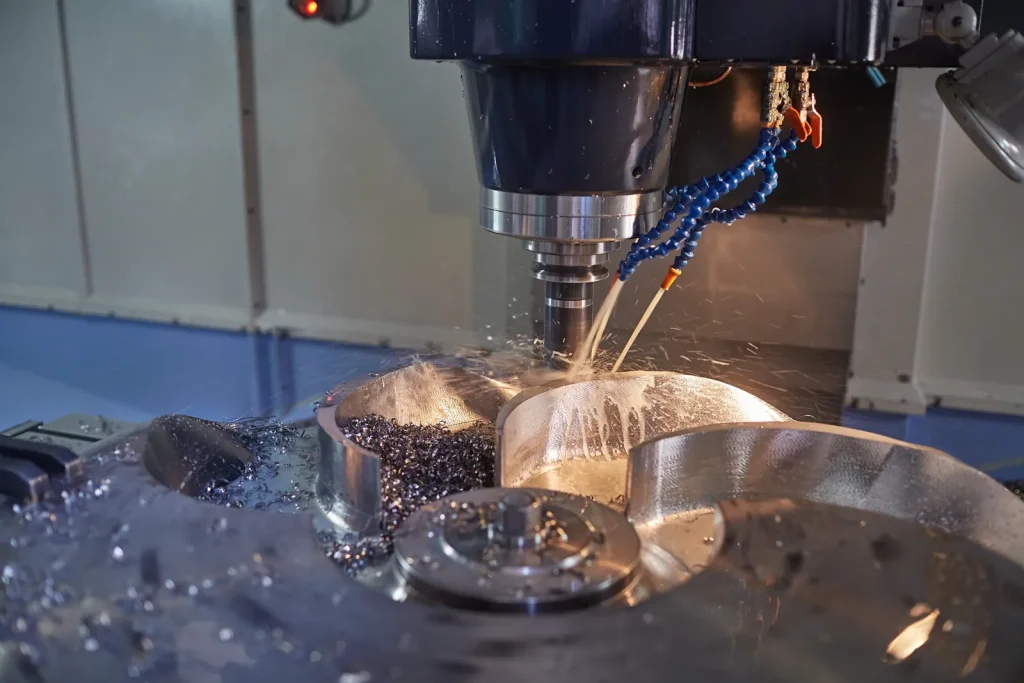
Cost drivers in custom magnesium CNC machining services include material grade, stock availability, part geometry, setup count, safety controls, inspection needs, finishing, and documentation. Magnesium may machine quickly, but the total cost includes more than cutter time.
Material can affect cost if the alloy is less common or requires special certification. WE43, for example, may require more review than a common general-purpose alloy because it is often tied to higher-performance applications. Large billets, special plate thicknesses, or certified stock can also affect sourcing time.
Geometry affects cost through machine time and setup effort. Deep pockets, thin walls, close-tolerance features, and many small holes increase programming, fixturing, and inspection work. Fire safety controls and chip handling also add operational effort.
Cost evaluation should compare faster cutting and lower cutting force against higher material cost, stricter chip-handling controls, segregation effort, and finishing burden. Magnesium is easier to justify when mass reduction changes system performance or when cycle-time savings matter at scale; it is harder to justify for low-volume parts with modest weight benefit and heavy coating requirements.
Tolerance challenges in precision magnesium components
Tolerance challenges in precision magnesium components are most visible in thin-wall parts, large flat housings, and parts with many datums. Magnesium’s low cutting forces help, but thin structures can still distort during clamping and machining.
Tight tolerances should be applied only where needed for function. Over-tolerancing non-critical surfaces can increase cost and inspection time without improving product performance. For magnesium parts, this is especially important because added finishing, deburring, or rework may introduce extra handling and safety concerns.
A good drawing should separate critical-to-function dimensions from general features. It should define datums, inspection requirements, surface finish needs, and coating allowances if a finish will be applied.
Machining strategies for thin-wall magnesium parts
Machining strategies for thin-wall magnesium parts focus on support, sequence, and heat control. Thin walls should not be left unsupported early in the process if later cutting will apply force or vibration. A balanced material removal sequence can help reduce movement.
Fixtures should support the part without crushing it. Soft jaws, custom nests, sacrificial supports, or staged machining may be needed depending on geometry. Toolpaths should avoid heavy engagement on weak features.
Chip evacuation is also important. Thin-wall housings often contain pockets where chips can collect. The process should clear chips before recutting damages the wall or increases heat.
Checklist: RFQ details that affect feasibility, inspection, and lead time
A magnesium CNC machining RFQ should include enough detail for a real feasibility review. Missing information can delay quoting or lead to incorrect assumptions.
| RFQ detail | なぜそれが重要なのか |
|---|---|
| Alloy and standard | Confirms machinability, sourcing, strength, and corrosion expectations |
| 素材形態 | Plate, billet, casting, or bar affects machining behavior and lead time |
| CADモデルと図面 | Model defines geometry; drawing defines tolerances and inspection needs |
| Critical dimensions | Helps avoid over-processing non-critical features |
| Surface finish requirement | Affects tools, toolpath, deburring, and coating readiness |
| Finishing or coating plan | Magnesium often needs corrosion and surface protection review |
| Annual or batch volume | Affects fixture choice, process development, and cost structure |
| Safety or compliance requirements | Confirms whether combustible metal handling and documentation are needed |
| Inspection documentation | Affects lead time and quality planning |
| Assembly conditions | Helps evaluate threads, inserts, mating faces, and edge requirements |
Applications and Use Cases for Magnesium CNC Parts
Thanks to its lightweight structure, superior machinability and vibration damping performance, magnesium CNC parts are widely adopted across multiple high-demand industries.
Aerospace and UAV housings, brackets, and structural components
Aerospace and UAV applications use magnesium where low weight supports payload, range, or system performance. CNC machined magnesium may appear in housings, brackets, covers, frames, and structural components.
WE43 is often discussed for higher-performance applications because the supplied research lists it with higher approximate strength and excellent corrosion resistance relative to other magnesium data in the pack. Any aerospace use should be tied to material standards, certification needs, and environmental exposure.
The design review should focus on weight benefit, stiffness, fatigue-sensitive features, corrosion protection, fastener interfaces, and inspection documentation.
Automotive brackets, transmission cases, and steering components
Automotive applications use magnesium for weight reduction in brackets, transmission cases, steering components, and other parts where lower mass can improve efficiency or handling. The supplied research notes magnesium substitution for aluminum and steel in these types of components.
CNC machining may be used for prototypes, functional features on castings, small production, or precision interfaces. In some cases, die casting and CNC machining are combined: the casting provides the near-net shape, and CNC machining finishes critical faces, holes, and datums.
The decision point is whether magnesium’s weight reduction offsets material, safety, and finishing complexity compared with aluminum or steel.
Electronics chassis, camera bodies, heat sinks, and EMI-shielded housings
Magnesium is useful in electronics because it combines low weight, heat transfer, and electromagnetic shielding. CNC machined magnesium can be used for laptop chassis, camera bodies, heat sinks, covers, and EMI-shielded housings.
These parts often have thin walls, cosmetic surfaces, and many small features. That makes fixture design, burr control, and surface finish important. If the part is visible to the user, machining marks, coating quality, and corrosion protection become part of the functional requirement.
Electronics parts also require careful review of threads, inserts, grounding points, and contact surfaces because finishing layers may change electrical or mechanical behavior.
Medical, sporting goods, power tools, and vibration-sensitive components
Medical devices, sporting goods, power tools, and precision instruments can benefit from magnesium’s low mass and vibration damping. Lighter surgical tools or device housings can reduce user fatigue. Sporting goods and tool housings may use damping to improve feel and reduce vibration.
These applications often combine mechanical, ergonomic, and surface requirements. A medical or handheld part may need smooth edges, cleanable surfaces, corrosion protection, and predictable assembly interfaces.
The feasibility review should include not only machining but also finishing, cleaning, regulatory documentation where required, and particle control during deburring.
How to Evaluate Magnesium CNC Machining for a Project
Whether you are designing a new component, comparing material options, or sourcing CNC manufacturing services, a structured project-level evaluation is essential before committing to magnesium.
Is magnesium the right material for your part?
Magnesium is the right material when weight reduction has clear value and the part can be machined with controlled chip, fire, and finishing plans. It is most attractive when aluminum is too heavy, when damping improves function, or when thermal conductivity and EMI shielding support the design.
It is less attractive when the part has no weight-sensitive function, when corrosion exposure is not controlled, or when the required supplier base cannot handle flammable metal machining. Aluminum may be a better choice for general-purpose lightweight parts if the mass target is already met.
The material decision should compare performance per unit weight, manufacturability, safety controls, finishing, inspection, and supply chain risk.
What safety measures are required for CNC machining flammable metals?
Safety measures for CNC machining flammable metals include fire prevention, chip control, dust control, housekeeping, operator training, and proper extinguishing equipment. For magnesium, this means treating chips and dust as a combustible metal hazard.
The shop should have a defined plan for dry or wet machining, coolant compatibility if used, chip collection, machine cleaning, and Class D fire response. The plan should align with current NFPA and OSHA guidance and local safety requirements.
Safety controls are part of manufacturability. A design may be technically machinable but still unsuitable if the machining environment cannot manage magnesium safely.
What should buyers check before choosing a magnesium machining supplier?
Buyers should check whether the supplier has actual experience with magnesium alloys, not just general aluminum machining capability. The supplier should understand magnesium chip and dust handling, fire response planning, coolant considerations, and safe deburring.
The buyer should also check alloy availability, inspection capability, finishing options, and documentation support. For precision magnesium components, the supplier should be able to discuss workholding and distortion risk for thin walls or complex pockets.
Buyers should ask how the shop segregates magnesium chips, what fire-response media is staged at the machine, whether prior magnesium programs included thin-wall or deep-pocket parts, and how first-article inspection is handled. It is also important to confirm alloy traceability, coating coordination, thread verification, and whether the machine enclosure and housekeeping method are intended for combustible metal work.
A supplier does not need to disclose proprietary process details, but it should be able to explain feasibility risks and required inputs clearly.
Final decision checklist: alloy, geometry, safety controls, finishing, tolerance, documentation
Use magnesium CNC machining when the following conditions are mostly true:
- The weight saving over aluminum has clear product value.
- The selected high-quality magnesium alloy has suitable strength, corrosion behavior, and documentation.
- The geometry allows stable clamping and chip evacuation.
- Thin walls, deep pockets, and burr-prone edges have been reviewed.
- The shop has combustible metal safety controls and Class D fire planning.
- Dry or wet machining strategy has been selected with coolant compatibility in mind.
- Finishing and corrosion protection are defined.
- Tolerances are tied to function, not applied broadly.
- Inspection datums and documentation needs are clear.
- Lead time accounts for material sourcing, setup, safety controls, finishing, and inspection.
In short, magnesium CNC machining is feasible and useful for many lightweight engineered parts, but it is not a casual material substitution. Use it when low weight, damping, thermal behavior, or EMI shielding justify the added controls. Avoid it when aluminum meets the requirement with lower risk, or when the machining environment cannot control flammable chips and dust.
よくあるご質問
Is magnesium easy to machine?
Yes, magnesium CNC machining stands out for its superior cutting performance compared to most structural metals. It requires far lower cutting forces than aluminum, supporting faster feeds and less tool wear for manufacturing lightweight magnesium parts. Its soft alloy nature allows smooth chip formation and consistent surface finish in standard CNC workflows. Even with great machinability, proper chip collection and dust control must never be overlooked. The primary safety hazard stems from fine magnesium debris, rather than any difficulty in machining itself. This makes disciplined workshop routine more important than complex cutting parameters.
Why is magnesium machining dangerous?
Magnesium machining poses notable risks because fine chips and dust are highly flammable under cutting heat. Excessive temperature buildup, poor chip evacuation, dull tools and messy housekeeping all raise ignition probability significantly. This hidden danger becomes even more critical during magnesium AZ31B machining and other widely used alloy grades. Solid magnesium blocks stay stable, but tiny particles have large surface areas prone to rapid combustion. Any negligence in operation can easily trigger metal fire hazards inside CNC workshops. Thus, dedicated safety protocols are mandatory for all magnesium processing tasks.
How do you prevent magnesium fires in CNC machining?
Preventing magnesium fires begins with sharp tooling and stable cutting settings to minimize excessive heat buildup. Reliable chip evacuation, regular machine cleaning and sealed independent scrap storage are basic daily requirements. Workshops must equip certified Class D fire extinguishers and complete standardized emergency response plans. Following NFPA and OSHA guidelines strictly helps factories deliver safe magnesium machining services reliably. Operators need professional training to recognize risk signs and handle abnormal conditions timely. Full-process control eliminates hidden fire risks throughout magnesium CNC production.
What are the benefits of magnesium over aluminum?
Magnesium is roughly 33% lighter than aluminum with excellent machinability and natural vibration damping ability. It also features outstanding thermal conductivity and electromagnetic shielding ideal for high-end industrial designs. These inherent properties make it the top choice for crafting aerospace magnesium components in aviation and UAV fields. It effectively reduces structural weight while maintaining enough rigidity for long-term service life. For handheld devices and automotive parts, it also improves comfort and energy-saving performance. Aluminum is still preferable when lightweight advantages are unnecessary and cost control is prioritized.
What are common uses for machined magnesium parts?
Machined magnesium parts are extensively used in aerospace housings, UAV brackets and automotive transmission & steering components. They also serve as electronics chassis, camera bodies, heat sinks and EMI shielding enclosures in consumer electronics. Manufacturers adopt high-speed magnesium CNC milling to boost efficiency on complex geometric and thin-wall structures. The process perfectly produces dimensionally stable precision CNC machined magnesium parts with tight tolerance requirements. Its lightweight and damping traits suit power tools, sporting goods and vibration-sensitive equipment well. Such versatile performance keeps magnesium alloys irreplaceable in modern precision manufacturing.

 Japanese
  English
  German
  French
  Italian
  Spanish
  Polish
  Czech
Czech