
This guide breaks down the practical differences between magnesium and aluminum from a design and manufacturing perspective. It focuses on real engineering tradeoffs rather than generic material comparisons.
Magnesium vs Aluminum at a glance
Choosing between magnesium vs aluminum is rarely a simple material comparison. In practice, the decision sits between mass reduction, required strength, stiffness, corrosion exposure, manufacturability, and total part cost. Both are established engineering metals, both are widely used in cast and machined components, and both can work well when the part geometry and service environment fit the material.
At about 1.74 g/cm³, magnesium is about 33–35% lighter than aluminum at about 2.7 g/cm³. Designers frequently ask is titanium lighter than aluminum when weight-saving is the goal; however, magnesium remains the significantly lighter option between the three. That difference is large enough to change product architecture in weight-sensitive assemblies. The tradeoff is that aluminum usually offers higher absolute tensile and yield strength across common alloy families, along with higher stiffness and better natural corrosion resistance.
So the right comparison is not “which metal is better?” The better question is what failure mode or design limit matters most in your part.
What is the real decision problem: weight savings, strength, corrosion, or cost?
For many parts, the real issue is not the base material itself but which design constraint dominates.
If the part is mass-critical and lightly to moderately loaded, magnesium may deserve serious consideration. This is why it appears in aerospace lightweight components, electronics housings, and some vibration-sensitive structures. The weight reduction can be meaningful enough to offset higher material cost or added coating steps.
If the part must carry structural loads with limited deflection, aluminum is often easier to justify. Aluminum alloys span a much wider strength range, from about 70 to 750 MPa tensile strength depending on alloy, while magnesium alloys cited here are in the roughly 130 to 300 MPa range. Based on the 空対地ミサイル International, alloy composition and heat treatment strongly influence mechanical properties, which explains the wide variation seen across aluminum and magnesium families. Yield strength follows the same pattern. Magnesium is not weak in a general sense, but for structural parts the deciding factor is usually absolute strength and stiffness, not just specific strength.
Corrosion also changes the answer fast. Aluminum forms a stable oxide layer that gives better baseline corrosion resistance. Magnesium is more reactive and often needs coatings, especially in humid or salt-laden environments. In short, magnesium alloy vs aluminum alloy for corrosion-prone environments is usually a coating and exposure-control problem, not just a metal-selection problem.
Corrosion risk in magnesium assemblies is often governed by interfaces, not only by the base alloy. Contact with steel fasteners, aluminum mating parts, conductive paths, exposed edges, or coating damage can accelerate galvanic attack. Buyers should review isolation strategy, fastener design, coating coverage, and edge protection at the assembly level.
Cost is more complex than raw material price. Die casting behavior, machining speed, tool wear, scrap handling, safety controls, finishing, and coating requirements all affect the true part cost. So the better material on paper can still lose on total manufacturing cost.
Table: magnesium vs aluminum density, tensile strength, yield strength, melting point, stiffness, and thermal behavior
| プロパティ | マグネシウム | アルミニウム | Design meaning |
|---|---|---|---|
| 密度 | 1.74 g/cm³ | 2.7 g/cm³ | Magnesium offers major weight savings |
| 引張強さ | 130–300 MPa | 70–750 MPa | Aluminum has a wider and higher strength range |
| 降伏強度 | 65–160 MPa | often >270 MPa | Aluminum is often better for higher sustained loads |
| 融点 | 650°C | 660°C | Similar, but magnesium’s slightly lower melting point supports faster die casting cycles |
| Stiffness / modulus | より低い | About 1.5x higher than magnesium | Aluminum resists deflection better for the same geometry |
| 熱伝導率 | 高い | ~210 W/m-K | Both are good conductors; provided sources indicate magnesium can outperform aluminum in some thermal-management uses, though exact values vary by alloy and source |
| Vibration dampening | Better | より低い | Magnesium can reduce vibration and noise better |
| 耐食性 | Lower without protection | Better natural oxide protection | Magnesium usually needs more surface protection |
| 加工性 | Fast cutting, low tool wear | Good, more ductile | Magnesium often machines faster, but safety controls matter |
| Formability | More crack-sensitive | Better for bending and forming | Aluminum is usually safer for formed structural parts |
This table is useful as a screening tool, but not as a final specification method. The strength conflict seen across public sources comes from alloy selection, heat treatment, and whether authors compare specific strength or absolute strength. According to the 米国国立標準技術研究所(NIST), inconsistencies in material datasets often arise from differences in measurement methods, sample conditions, and reporting standards. For engineering decisions, use alloy-specific datasheets, not generic metal names.
How density differences impact magnesium vs aluminum part design
How density differences impact magnesium vs aluminum part design depends on whether the part is load-limited, stiffness-limited, or package-limited.
If the design is mass-limited, magnesium has a clear advantage. A 33–35% density reduction can lower moving mass, unsprung mass, handheld weight, or system inertia. This matters in aerospace parts, rotating or portable equipment, and support structures where lower weight improves system behavior.
But low density does not erase stiffness limits. Aluminum is about 1.5 times stiffer than magnesium. So if two parts keep the same geometry, the magnesium part will usually deflect more under load. To recover stiffness, the designer may need thicker walls, ribs, or a larger section. In some castings, that redesign is easy. In tightly packaged parts, it may not be possible.
That is why specific stiffness and absolute stiffness should not be mixed. Magnesium can be attractive on a stiffness-per-weight basis, yet still need more section thickness to hit the same deflection target as aluminum. The key point is that magnesium helps when you can redesign geometry around it. It is less useful when the envelope is fixed and stiffness is already marginal.
Is magnesium stronger than aluminum for structural parts?
For most structural parts, aluminum is the safer default if strength is the main filter. The provided data shows aluminum alloys reaching much higher tensile and yield strengths than magnesium alloys. So when engineers ask whether magnesium is stronger than aluminum for structural parts, the practical answer is usually no in absolute terms.
Where magnesium stays competitive is in strength-to-weight ratio. Because it is much lighter, a magnesium part can deliver useful load capacity at lower mass. This can make sense in low- to moderate-stress structures where weight matters more than peak load or dent resistance.
Still, weaknesses of magnesium alloy in structural applications must be checked early. Lower stiffness, more crack sensitivity, and more demanding corrosion control can shorten the design margin. In short, magnesium is a strong metal in the sense that it is a legitimate structural engineering material. It is not usually the first choice for high-stress, highly formed, or corrosion-exposed load paths.

Can magnesium or aluminum be manufactured for your part?
Material selection only works if the part can be made repeatably. The manufacturing route matters as much as the property sheet. Die casting, CNC machining, coating, and any forming operations all affect whether magnesium vs aluminum is feasible for the part geometry and production volume.
Magnesium vs aluminum die casting performance
Magnesium vs aluminum die casting performance is one of the clearest process-level differences between the two metals. Magnesium die casting can support productivity advantages, but the reason is not a simple 10°C melting-point difference. Cycle time and tool-life outcomes depend on alloy behavior in the die, heat input, die interaction, and process control. Buyers should evaluate casting route, alloy, wall thickness, and supplier capability together before assuming a cost advantage. The temperature gap is small, but in die casting practice magnesium is still often described as easier on tooling and efficient in high-volume production.
That makes magnesium attractive for thin-wall castings and complex shapes where low mass is the design goal. Automotive and electronics examples in the provided sources point to die-cast magnesium for parts that also benefit from vibration dampening and heat dissipation.
Aluminum die casting still holds strong advantages where higher load capacity, broader alloy familiarity, and better corrosion resistance are needed. In many buyer decisions, magnesium die casting is feasible, but the part only makes sense if the value of weight reduction exceeds the added controls for surface protection and handling.
Is magnesium easier to machine than aluminum?
について CNC work, magnesium is usually easier to cut than aluminum based on the provided research. It machines faster and causes less tool wear because of its lower density and cutting behavior. That can reduce machine time in prototype and low- to medium-volume work. This efficiency is a major factor when producing strength-to-weight ratio cnc parts where magnesium’s density provides a unique edge.
This does not mean it is simpler in every shop. Machining magnesium vs aluminum safety risks are more serious on the magnesium side because chips and dust require careful control. So a buyer should not assume every CNC supplier will quote magnesium without restrictions. Some shops avoid it because of fire risk management, chip handling requirements, or insurance rules.
Aluminum is slower to remove in some cases, but it is widely accepted, easier to source across many grades, and better suited to mixed operations that include drilling, tapping, forming, or post-machining finishing. If the project needs rapid CNC iteration with common supply-chain support, aluminum often creates less sourcing friction even if the cycle time is not the shortest.
Can magnesium replace aluminum in laptop housings?
Magnesium can replace aluminum in laptop housings and similar thin-wall enclosures when the priorities are lower weight, vibration dampening, and a premium castable shape. The provided evidence points to electronics applications where die-cast magnesium is valued for heat dissipation and noise reduction.
But replacement is not automatic. Housing parts are often stiffness-limited, finish-sensitive, and exposed to sweat, humidity, and cosmetic wear. So magnesium needs the coating strategy to be designed in from the start. If the enclosure will be formed rather than cast, aluminum may remain easier because it is more ductile and more tolerant of bending operations.
For a technical buyer, the question is less about whether magnesium can replace aluminum and more about whether the enclosure process is cast-first or formed-first, and whether the finishing stack is already validated for magnesium.
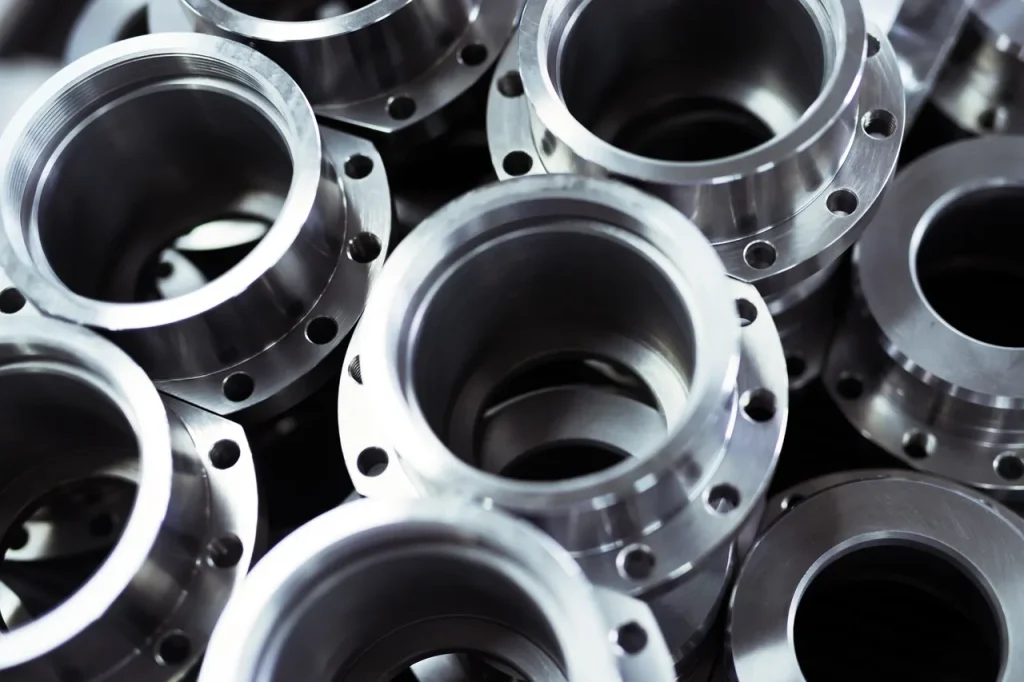
Checklist: geometry, wall thickness, forming needs, coatings, and volume requirements
Before specifying either metal, buyers should review the part against a short manufacturability checklist:
- Geometry: Thin-wall and complex cast shapes can favor magnesium in die casting. Fixed-envelope parts with low deflection tolerance may favor aluminum because of higher stiffness.
- Wall thickness strategy: Magnesium’s low density helps mass reduction, but stiffness recovery may require thicker sections or ribbing.
- Forming needs: If the part needs bending or forming after blank production, aluminum is usually the safer path because magnesium is more crack-sensitive.
- Coatings: Magnesium often needs protective coatings in humid or salty service. Coating compatibility should be checked before release.
- Volume: High-volume die casting can improve magnesium economics. For prototypes and lower volumes, aluminum may be easier to source and process through standard CNC routes.
Key material principles that affect performance
The magnesium vs aluminum debate often gets distorted by broad claims. The actual performance depends on a few core material principles: density, stiffness, alloy-dependent strength, fracture behavior, and environmental stability.
Factors affecting strength-to-weight ratio in magnesium vs aluminum
Factors affecting strength-to-weight ratio in magnesium vs aluminum start with density. Magnesium is much lighter, so even moderate-strength alloys can look favorable on a specific-strength basis. This is why magnesium remains important in aerospace and portable equipment.
But specific strength is only one design lens. A part can have a good strength-to-weight ratio and still fail in service because the stiffness is too low, local stress is too high, or corrosion attacks the section. In practice, geometry, rib layout, wall thickness, casting quality, and stress concentration matter as much as bulk material values.
This is also why public statements that magnesium is “stronger” than aluminum can be misleading. If the author means stronger per unit weight, magnesium may compare well. If they mean absolute tensile or yield capacity, many aluminum alloys are stronger.
Why magnesium is more brittle than aluminum
Magnesium should not be described as universally more brittle than aluminum without qualification. Ductility and crack sensitivity depend on alloy family, temper, casting quality, section thickness, and loading mode. In practice, some magnesium parts show lower deformation tolerance than common aluminum parts, especially in cast sections and impact-sensitive designs.
In design terms, this means magnesium is less forgiving in features that create stress concentration: sharp corners, thin unsupported walls, abrupt section changes, and formed bends. It also means forged magnesium compared to aluminum can carry more design risk when toughness and deformation tolerance matter more than low mass.
This does not make magnesium unusable. It means the part should be designed for the metal rather than copied from an aluminum design without change. Smooth load paths, generous radii, casting-appropriate geometry, and conservative handling of impact loads all become more important.
Magnesium vs aluminum thermal conductivity for heat sinks
Magnesium vs aluminum thermal conductivity for heat sinks is less straightforward than many buyers expect. This article should not treat thermal conductivity as a settled generic-metal comparison. Thermal performance depends on alloy, cast or wrought condition, section geometry, and any coating layer, so system heat dissipation is not the same as bulk conductivity. For heat-sink decisions, use alloy-specific property data and the actual part design.
From a design view, both metals are good thermal conductors compared with many engineering materials. Magnesium can make sense where heat spreading and low mass are both needed, especially in electronics housings and thermal-management components cited in the research. On the other hand, Aluminum remains a common choice for heat dissipation because of its broad alloy availability. When reviewing aluminum vs titanium thermal conductivity, aluminum’s superior heat transfer often makes it the default over more exotic structural metals.
If the part is a true heat sink, the buyer should verify alloy-specific conductivity, coating effect on thermal transfer, and whether wall thickness changes needed for stiffness offset the expected thermal benefit.
References needed: alloy datasheets, standards bodies, and industry reports
Generic comparisons are useful for screening, especially in the context of magnesium versus aluminum. They are not enough for specification. According to ASTM International, material properties must be validated using standardized testing methods tied to specific alloy conditions and processing routes, before freezing a design, engineers should pull alloy datasheets, relevant standards, and process-specific guidance. This is important because the current public data includes contradictions on strength, stiffness language, and thermal performance.
At minimum, decision-makers should verify alloy condition, mechanical-property test method, corrosion test basis, and any coating-system data. Supplier process data also matters for die casting and CNC work, especially if the part has thin walls or cosmetic requirements.
Advantages and tradeoffs in engineering design
With fundamentals covered, the focus shifts to practical design decisions. The following sections outline where each material performs best.
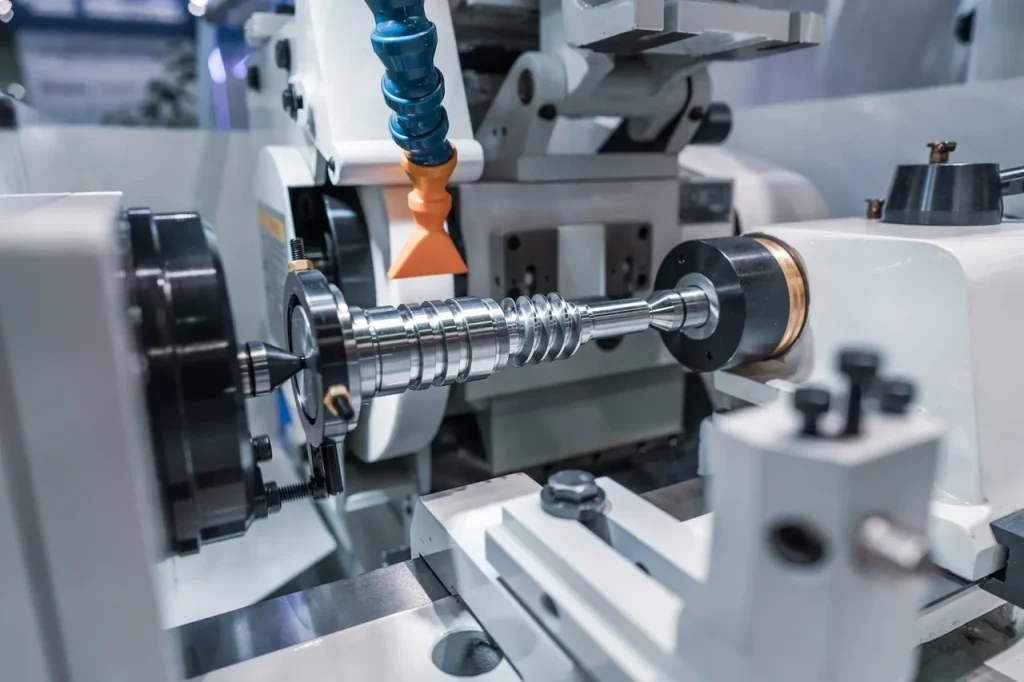
When to choose magnesium over aluminum for weight reduction
When to choose magnesium over aluminum for weight reduction is clearest when mass is a primary system requirement and the part loads stay within magnesium’s lower strength and stiffness window. Aerospace lightweight components, portable equipment frames, electronics housings, and vibration-sensitive supports fit this pattern.
The strongest case appears when weight savings create value beyond the part itself. Lower inertia, easier handling, reduced fuel use, or less operator fatigue can justify the material switch. The aerospace case in the provided research shows magnesium alloys used for meaningful weight reduction with suitable corrosion treatment, highlighting magnesium is the lightest option available.
Tradeoffs between weight savings and strength in magnesium components
Tradeoffs between weight savings and strength in magnesium components should be evaluated at the assembly level, not just the part level. A magnesium part may save mass but need thicker walls, more ribs, tighter design control around stress risers, or added coatings. Those changes can reduce the apparent advantage.
This is why magnesium often fits low- to moderate-load components better than highly loaded brackets, shafts, or formed shells. If the design goal is to remove weight from a non-critical housing or support member, magnesium may work well. If the goal is to carry high loads in a compact section, aluminum usually gives more room.
When aluminum is better than magnesium for heat dissipation
Even though the provided research indicates magnesium can perform very well in thermal-management applications, aluminum is still often the safer choice for heat dissipation when the design also needs stiffness, corrosion resistance, and broad manufacturing familiarity.
In practical terms, when aluminum is better than magnesium for heat dissipation is when the thermal part also acts as a structural support, mounting surface, or exposed environmental surface. Then aluminum’s better natural corrosion resistance and higher stiffness can matter as much as heat flow. The key point is that thermal conductivity alone should not drive the choice.
Magnesium alloy vs aluminum alloy for corrosion-prone environments
Magnesium alloy vs aluminum alloy for corrosion-prone environments is usually decided in aluminum’s favor unless the magnesium coating system is already proven. Untreated magnesium is more reactive, so humid, marine, and salt-exposed service raises risk fast.
The aerospace example shows that treated magnesium alloys can reach corrosion performance comparable to certain aluminum alloys in specific conditions. That is important, but it does not remove the need for coating validation. If the product will see scratches, exposed edges, galvanic contact, or uncertain maintenance, aluminum gives a wider process window.
Common failure modes, risks, and limitations
Understanding where materials fail is as important as knowing where they succeed. These limitations define safe application boundaries.
Weaknesses of magnesium alloy in structural applications
Weaknesses of magnesium alloy in structural applications include lower absolute strength, lower stiffness, and greater sensitivity to brittle failure than many aluminum options. This matters in parts with high peak stress, repeated shock, or little room for section growth.
Structural failures often start not because magnesium is inherently unsuitable, but because an aluminum design was copied into magnesium without changing geometry. If the wall thickness, rib pattern, or fillet strategy stays unchanged, stress and deflection can exceed the safe margin.
Limitations of magnesium parts in high temperature applications
Temperature capability in magnesium is strongly alloy-dependent and should not be treated as one generic limit. Standard commercial grades can lose property margin through creep and reduced retention at elevated temperature, while specialized high-temperature grades must still be validated for the service case. Buyers should separate commercial lightweight grades from specialized aerospace or high-temperature titanium components before screening by temperature. That shows magnesium is not excluded from elevated-temperature use.
Still, high temperature is not a generic win for magnesium. Property retention depends strongly on alloy type and treatment. Buyers should avoid assuming standard magnesium grades will match specialized aerospace alloys. If the part sees sustained heat, thermal cycling, or creep-sensitive loading, alloy-specific data is required before release.
Machining magnesium vs aluminum safety risks
Machining magnesium vs aluminum safety risks are a real sourcing issue. Magnesium machining requires route-specific safety controls, not just general caution. Fine chips and dust present higher ignition risk than solid stock, so shops should control chip size, avoid mixed scrap streams, manage dust collection correctly, and use coolant or dry-machining practices that match the alloy and operation. Buyers should confirm that the supplier is qualified for magnesium chip handling, fire control, and material segregation before release.
Aluminum also creates machining hazards, but it is usually viewed as easier to manage in standard CNC environments. So the production risk is not only technical. It is also supply-chain related. A material that fewer shops will machine can increase lead time risk, quoting delays, or process qualification effort.
What causes magnesium parts to fail sooner than aluminum parts?
Magnesium parts tend to fail sooner than aluminum parts when the design is stiffness-limited, corrosion is not controlled, or local stress concentration is high. In many cases, the root cause is not the base metal alone but a mismatch between geometry, surface protection, and service environment.
Failure also appears earlier when magnesium is used in impact-prone or highly formed features where ductility matters. If the part needs bending, repeated overload tolerance, or long-term exposure to moisture without validated coatings, aluminum often keeps a larger safety margin.
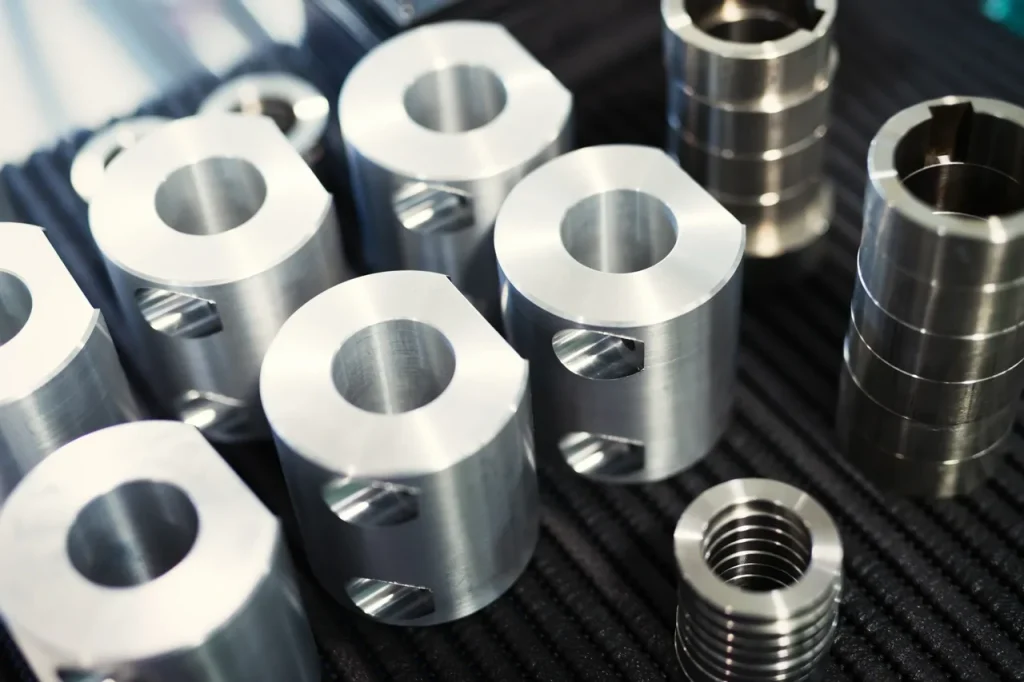
コスト、公差、リードタイムの要因
After performance and risk, cost becomes the next major filter. However, true cost goes beyond raw material pricing.
Cost difference between magnesium and aluminum parts
The cost difference between magnesium and aluminum parts should be judged across the full process chain. The provided competitor context notes that magnesium can carry higher material cost, while the research shows process savings in die casting and machining. So the cheaper choice depends on route, volume, and part complexity.
For high-volume die-cast parts, magnesium may recover some cost through faster cycles and tool-life benefits. For common CNC parts or fabricated components, Aluminum may stay cheaper because the material is widely available and fewer special controls are needed, especially when compared to a cnc machining titanium vs aluminum cost breakdown for structural projects.
How casting cycle time, machining rate, and tool wear affect total cost
Cycle time is one of the main reasons magnesium stays in discussion despite its cost concerns. Faster die casting and better machinability can reduce labor and machine-hour burden. Less tool wear also helps in repeat production.
But those savings can be offset by coating, handling, qualification, and restricted supplier choice. In short, total cost is driven by the whole route: raw stock, cycle time, machining rate, tool wear, scrap control, coating, and inspection.
Tolerance, dimensional stability, and finishing requirements
The provided research identifies magnesium as having high dimensional stability, which supports die casting and precision work. That is useful, but tolerance capability still depends on process choice, wall thickness, feature size, and finishing sequence.
Finishing requirements often create the bigger difference. Magnesium may require more protective surface treatment, while aluminum may be easier to leave in a naturally more corrosion-resistant state depending on the application. A buyer should also check whether cosmetic finish, coating adhesion, or edge coverage drives the process more than the base material itself.
Is magnesium worth the higher material cost in lightweight assemblies?
Magnesium is worth the higher material cost when assembly-level mass reduction creates measurable engineering value and the part does not push hard against magnesium’s limits in strength, stiffness, corrosion, or forming. This is common in lightweight housings, aerospace components, and some cast supports.
It is less attractive when the assembly gains little from weight reduction or when the material switch adds coatings, redesign, and sourcing constraints. In those cases, aluminum often reaches a better total balance.
Where each metal works best
With tradeoffs established, typical application areas provide useful guidance. These examples show how theory translates into practice.
Magnesium vs aluminum for aerospace lightweight components
Magnesium vs aluminum for aerospace lightweight components comes down to whether the weight savings justify tighter alloy and process control. The provided aerospace case describes magnesium alloys with density about 66% of aluminum, used in cast and machined components with service temperatures around 150–350°C in specialized applications.
That is a valid high-value use case. Still, aerospace decisions depend on validated alloy systems, corrosion treatment, and exact load conditions. Magnesium is attractive where every gram matters. Aluminum remains strong where certification familiarity, structural strength, and broader process maturity matter more.
Automotive, electronics, and thermal-management components
In automotive and electronics, magnesium fits best in die-cast parts needing low mass, heat dissipation, and vibration dampening. That includes housings, covers, and support parts where noise control or thermal management helps system performance.
Aluminum stays strong in thermal-management components that also need structural support, environmental durability, or easy sourcing through many machining and casting suppliers. For many buyers, aluminum wins not because it is better in one property, but because it is easier to integrate across the whole product.
Magnesium wheels vs aluminum wheels durability comparison
For wheels and similar rotating components, magnesium wheels vs aluminum wheels durability comparison tends to split by use case. Magnesium offers lower mass, which helps response and unsprung-weight reduction. But user discussions and market behavior keep pointing to cost, reactivity, and durability concerns.
So magnesium wheels make sense where peak weight reduction matters and maintenance control is high. Aluminum is usually the more practical material for wider-duty use because it offers a better balance of durability, corrosion behavior, and cost.
Case table: aerospace, die casting, CNC prototypes, and tripod components
| Application case | Why magnesium was used | Main benefit | Main tradeoff often lies in the comparison between aluminum and magnesium. |
|---|---|---|---|
| Aerospace lightweight components | Weight-critical cast and machined parts | Major mass reduction | Requires alloy-specific validation and corrosion treatment |
| Automotive and electronics die castings | Thin-wall castings needing dampening and thermal behavior | Faster cycles, low mass, noise reduction | Coating and corrosion control |
| CNC prototypes and lightweight precision parts | Easy machining and low density | Faster machining, less tool wear | Lower absolute strength, shop safety controls |
| Tripod and support components | Light weight with good dampening | Lower mass and good vibration behavior | Higher cost, aluminum often chosen for some parts |
When magnesium vs aluminum fails the application
Not every application suits both materials. Understanding rejection cases helps avoid costly mistakes.
When aluminum is better than magnesium for structural loads and forming
Aluminum is better than magnesium for structural loads and forming when the part is highly stressed, stiffness-limited, or requires bending and shape change after stock preparation. Aluminum’s higher modulus and better ductility give more room for both load carrying and process tolerance.
This is especially true in brackets, formed shells, and components with local impact risk. If the part sees overload or installation abuse, aluminum is usually more forgiving.
Drawbacks of forged magnesium compared to aluminum
Drawbacks of forged magnesium compared to aluminum follow the same pattern seen in broader structural use: lower ductility, greater brittleness risk, and less tolerance for deformation-driven manufacturing steps. Even where weight savings are attractive, magnesium may need more conservative geometry and tighter process control.
So forged magnesium compared to aluminum is not a direct swap in many designs. If toughness and deformation capacity are key, aluminum often remains easier to engineer and easier to buy.
Magnesium vs aluminum corrosion resistance in humid, marine, and coated conditions
Magnesium vs aluminum corrosion resistance in humid, marine, and coated conditions is one of the most important rejection filters. Aluminum is stronger here in untreated service because of its oxide layer. Magnesium usually depends much more on coatings and exposure management.
Coated magnesium can perform well in controlled applications, including aerospace examples. But marine and humid exposure raise the cost of getting the coating system wrong. If coating damage, scratches, or edge exposure are likely in service, aluminum is usually the lower-risk material.
Can magnesium replace aluminum in all lightweight structures?
No. Magnesium can replace aluminum in some lightweight structures, especially when low mass is the top priority and the part can be designed around magnesium’s lower stiffness and more reactive surface behavior.
It is a poor universal substitute for parts that need high absolute strength, high ductility, simple corrosion management, or easy forming. In those cases, aluminum remains the more practical choice.
Decision guide for material selection
To simplify selection, the key factors can be organized into a structured comparison. This helps align design priorities with material choice.
Decision matrix: weight, strength, stiffness, corrosion, temperature, machinability, and cost
| 決定要因 | マグネシウム | アルミニウム | Better choice when this factor dominates |
|---|---|---|---|
| 重量 | 素晴らしい | グッド | マグネシウム |
| Absolute strength | 中程度 | Excellent range | アルミニウム |
| 硬さ | より低い | より高い | アルミニウム |
| 耐食性 | Needs more protection | Better natural resistance | アルミニウム |
| High-temperature use | Alloy-dependent, needs validation | Also alloy-dependent | Case-specific |
| 加工性 | Fast, low tool wear, higher safety controls | Good, broad shop acceptance | Case-specific |
| Die casting efficiency | 強い | 強い | Magnesium often favored for cycle/tooling benefits |
| Forming and bending | Less forgiving | Better | アルミニウム |
| Vibration dampening | Better | より低い | マグネシウム |
| コスト管理 | Process-dependent | Often easier | Aluminum in many standard supply chains |
What buyers should check before specifying magnesium or aluminum
Before release, buyers should verify six points.
First, define whether the part is strength-limited or stiffness-limited. These are not the same. Second, check whether the geometry can change to suit magnesium if weight reduction is the goal. Third, confirm the service environment, especially humidity, salt exposure, and coating damage risk. Fourth, confirm whether the part will be die cast, machined, or formed, because each route shifts the answer. Fifth, ask whether enough suppliers can actually process the chosen metal under the required controls. Sixth, use alloy-specific data rather than generic material labels. Before RFQ or release, define the load case, process route, environment, alloy family, coating system, and inspection sequence. Confirm material certification, corrosion-control strategy, and any shop qualification needed for magnesium machining or coating. If those inputs are not fixed, the material comparison is still only at screening stage rather than specification stage.
A simple practical note also helps with incoming material or scrap identification. Magnesium is noticeably lighter than aluminum by density, but positive identification in production should still come from traceable material certification, not by appearance alone.
When should engineers choose magnesium over aluminum?
Engineers should choose magnesium over aluminum when weight reduction is the main system driver, the loads are moderate, the geometry can be optimized for lower stiffness, and the corrosion-control plan is already defined.
It is a stronger candidate in die-cast housings, aerospace lightweight components, portable structures, and parts that benefit from vibration dampening. It is a weaker candidate in highly loaded, formed, impact-prone, or uncoated corrosion-exposed parts.
References needed: standards, academic sources, coating guidance, and supplier process data
To make a final selection, engineers should gather primary references in four groups: material standards, academic or institutional property data, coating guidance for corrosion control, and process data from qualified production routes.
That final step matters because public summaries often mix alloy families and overgeneralize. A sound magnesium vs aluminum decision depends on matching one alloy, one process, and one service condition to one part function.
よくあるご質問
Yes, magnesium is a legitimate structural metal. But in most of the provided data, aluminum offers higher absolute tensile and yield strength, so magnesium is usually chosen for weight reduction rather than maximum load capacity.
In general, it is more accurate to say magnesium is often not stronger than aluminum in absolute terms. The data provided shows magnesium alloys around 130–300 MPa tensile strength, while aluminum alloys span about 70–750 MPa depending on alloy and condition.
In engineering practice, the correct method is traceability through material certification, not visual inspection. Magnesium is much lighter by density, but reliable identification for production or quality control should come from documented alloy records and test methods.
This article only compares magnesium and aluminum. Within that scope, magnesium can machine faster with less tool wear, but aluminum is often easier to source and easier for more shops to process, so the lower total CNC cost depends on the part and supplier setup.
Those are outside the scope of this magnesium vs aluminum comparison. Within this article’s scope, both magnesium and aluminum are good conductors, and aluminum is generally easier to process and less reactive than magnesium in standard shop conditions.




 Japanese
  English
  German
  French
  Italian
  Spanish
  Polish
  Czech
Czech