
When working with threaded fasteners, a fundamental first step is distinguishing between male and female threads—this basic yet critical distinction lays the groundwork for proper thread selection and secure assembly.
What Galvanized Steel Is and Why Rust Risk Matters
To understand galvanized steel and its rust risk, we first break down how galvanizing works to protect steel, then address common questions about its corrosion behavior and practical implications.
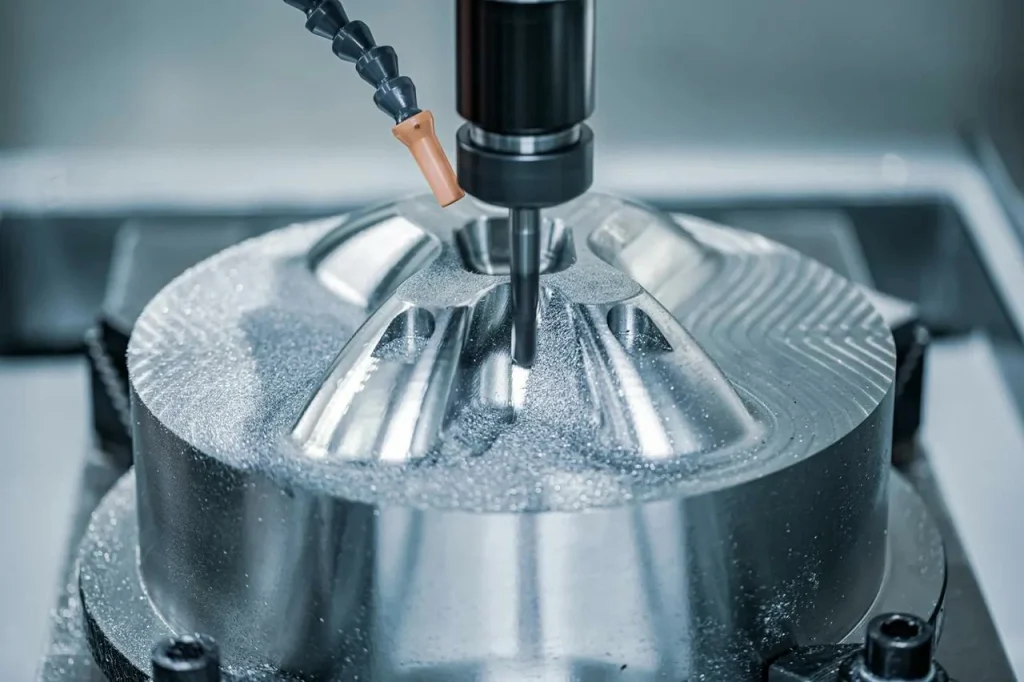
What galvanizing does to steel and why zinc changes corrosion behavior
Galvanizing protects steel by adding a zinc coating that corrodes preferentially and can provide localized cathodic protection near small coating defects. That protection is limited by coating continuity, defect size, geometry, and exposure severity, so it should not be treated as broad “self-healing.” Once the zinc layer is substantially consumed or the damaged area is too large, corrosion galvanised steel occurs, and the steel substrate can rust.
The key point is that galvanizing does not make steel immune to corrosion. It changes the corrosion sequence. With bare steel, moisture and oxygen attack the steel directly, so red rust can form early. With galvanized steel, the zinc coating reacts first. That zinc layer acts as both a barrier and a sacrificial layer. In practice, this means the coating is expected to corrode before the base metal does.
As the zinc weathers, it can form zinc oxide and zinc carbonate on the surface. That surface film, often called a patina, slows further attack. This is why galvanized parts often perform well in outdoor service even when the finish becomes dull or uneven over time. The coating is still doing work even after it no longer looks new.
For engineering decisions, this matters because galvanizing is not just a cosmetic finish. It is a corrosion control system. If a buyer is choosing material for brackets, frames, guards, hardware, supports, or sheet metal fabrications, the right question is not whether zinc can corrode. It can. The real question is whether the zinc coating will last long enough in the current service environment.
One of the most common questions in metal selection is will galvanized steel rust?Does galvanized steel rust, or only the zinc coating first?
A common question is how do you rust galvanized metal? Galvanized steel can rust. But under normal service, the zinc coating corrodes first, not the steel underneath. This is why the short answer to “does galvanized steel rust” is yes, but usually only after the zinc has been consumed, damaged, or broken down by the environment.
In early stages of exposure, what appears on the surface may not be red rust at all. It may be zinc corrosion products. One common example is white rust, a chalky deposit linked to wet storage or trapped moisture. White rust shows coating attack, not necessarily base steel failure. Red rust is more serious because it means the steel substrate is exposed or the zinc protection is largely gone in that area.
This distinction matters in inspection. A buyer reviewing fabricated galvanized parts should not treat all discoloration the same way. White deposits suggest a storage or moisture problem. Red-brown rust suggests local coating loss, severe abrasion, cut-edge exposure, or a service environment that has consumed the zinc layer.
Why this question matters for outdoor structures, hardware, and fabricated parts
For outdoor structures and industrial hardware, corrosion risk is rarely a simple material question. It is a lifecycle question. The buyer needs to know how long galvanized steel lasts outdoors, what kind of coating was used, and whether fabrication steps such as cutting, drilling, welding, or abrasion will reduce service life.
This is especially important for corrosion-resistant cnc components made by machining or fabrication before galvanizing, and also for parts modified after coating. If a bracket is cut after galvanizing, or if drilled holes expose bare steel, corrosion risk changes at those local points. The same is true for bolted assemblies, roofing fasteners, cable trays, fencing components, formed sheet metal, and support frames in damp service.
It also affects manufacturability and cost planning. Hot-dip galvanized parts usually provide longer corrosion life than thinner electro-galvanized parts, but the coating method can affect finish appearance, fit in tight assemblies, and any secondary obrábění or threading after coating. So the rust question is tied to design detail, process sequence, and maintenance access, not only to material choice.For fabricated parts, feasibility also depends on whether the geometry is galvanizing-friendly. Hollow sections and tubular fabrications typically require vent and drain holes, thin weldments can distort during batch hot-dip processing, internal surfaces may or may not drain cleanly, and threads or close fits may need allowance, masking, or post-process review. Parts with trapped chemistry, precision contact surfaces, or tight mating features should be reviewed with the galvanizer before release.
Table: Galvanized steel vs bare steel vs painted steel for basic rust resistance
| Material system | Basic corrosion behavior | Typical failure path | Relative maintenance burden |
|---|---|---|---|
| Bare steel | Rusts quickly when exposed to moisture and oxygen | Red rust begins directly on steel surface | Vysoká |
| Painted steel | Paint acts as barrier only | Once coating is breached, rust can spread under paint | Mírná až vysoká |
| Pozinkovaná ocel | Zinc protects steel as barrier and sacrificial layer | Zinc corrodes first; steel rust starts after coating depletion or deep damage | Lower than painted steel in many outdoor uses |
When Galvanized Steel Is Feasible for Corrosion Protection
The feasibility of galvanized steel for corrosion protection depends largely on the service environment and specific use conditions. Below we explore key scenarios to clarify when it is suitable and what considerations apply.
How long galvanized steel lasts outdoors in rural, urban, and humid settings
Outdoor life should be screened by exposure mode, not described only as “outdoors.” Atmospheric rural exposure is usually the least severe, urban or industrial atmospheres are more aggressive, coastal atmospheres are more severe when chloride deposition stays high, and splash, standing wetness, immersion, sheltered crevices, or condensation-heavy interiors are substantially harsher than open-air exposure. If the part will stay wet, trap salts, or see repeated chloride deposition, galvanizing requires a more cautious compatibility review.
For decision-making, the main lesson is not the exact year count. It is that environment drives the result. Rural and lower-pollution settings are generally less aggressive. Urban or humid settings shorten life because moisture stays on the surface longer and airborne contaminants can increase coating consumption. If the buyer needs long life with little maintenance, site exposure should be checked before choosing coating type.
In fabricated components, part geometry also matters. Crevices, overlapping joints, horizontal surfaces that hold water, and enclosed areas with poor drainage can corrode faster than open vertical surfaces. So a nominal coating life estimate for an outdoor structure may not apply to every local feature of the same assembly.
Can galvanized steel withstand industrial pollution?
Galvanized steel can withstand some industrial pollution, but this is one of the conditions that can shorten coating life. Polluted air can contain corrosive compounds that attack zinc more quickly than clean rural air. In practice, this means galvanized steel may still be feasible in industrial areas, but expected life should be reduced compared with cleaner environments.
This is where engineers should avoid generic claims. A galvanized support bracket next to normal urban exposure is not the same as a component exposed to process fumes, chemical mist, or standing condensate from industrial equipment. If a site includes frequent wetting plus airborne contaminants, a thicker zinc coating or a different material system may be more suitable.
Industrial buyers should also check access for inspection and repair. If the part is hard to reach once installed, a low-maintenance choice matters more. In these cases, the cost tradeoff between hot-dip galvanizing and stainless steel can become less about purchase price and more about whether replacement is easy after years in service.
Does galvanized steel rust in saltwater?
Galvanized steel is not a good default choice for saltwater immersion or repeated marine splash because chlorides consume zinc much faster under those conditions. Coastal atmospheric exposure is a different case and may still be acceptable when coating thickness, drainage, inspection access, and required life are aligned. Buyers should separate atmospheric coastal service from splash-zone, washdown, or immersed service before selecting galvanized steel.
This is one of the most important limits for engineering use. For splash zones, marine hardware, or components that see repeated salt spray, the buyer should assume faster zinc depletion. In those cases, the question is not whether galvanized steel resists corrosion at all. It does. The question is whether its service life is enough for the required maintenance interval and whether stainless steel or another corrosion-resistant system would reduce risk.
When galvanized steel is not suitable for coastal environments
When galvanized steel is not suitable for coastal environments is mostly a matter of exposure severity and maintenance expectations. If parts are close to the ocean, exposed to salt spray, or repeatedly wetted by chloride-rich moisture, hot-dip galvanizing may still work for a period, but life will be shorter than in inland service. Thin electro-galvanized coatings are a weaker choice in those conditions.
Poor fit cases include parts with constant wetness, trapped salt deposits, mud retention, abrasion, and no easy maintenance access. Coastal fabricated assemblies with cut edges, drilled holes, or field damage also have more risk. In short, if chlorides are high and replacement is difficult, galvanized steel may be a conditional choice at best and a poor choice in severe marine exposure.
How Galvanization Works to Delay Rust
Galvanization delays rust through multiple interrelated protective mechanisms. Below, we break down these mechanisms, compare coating methods, and outline key considerations for engineering applications.
How zinc patina protects galvanized steel
The first layer of protection is the zinc itself. The second is the patina that forms as zinc reacts with air and moisture. Sources describe this as zinc oxide and zinc carbonate forming over time. This patina slows future attack by reducing the rate at which fresh zinc is exposed.
To put it simply, galvanized steel does not stay protected only because there is a thick shiny metal on top. It stays protected because the zinc surface changes into a more stable corrosion film. That is why older galvanized parts often perform well even after the finish becomes matte gray.
For engineering buyers, this means appearance alone is not a reliable sign of end-of-life. Surface dulling is normal. The more useful checks are local red rust, heavy white rust, abrasion at contact points, and exposure of the steel substrate at cut or damaged areas.
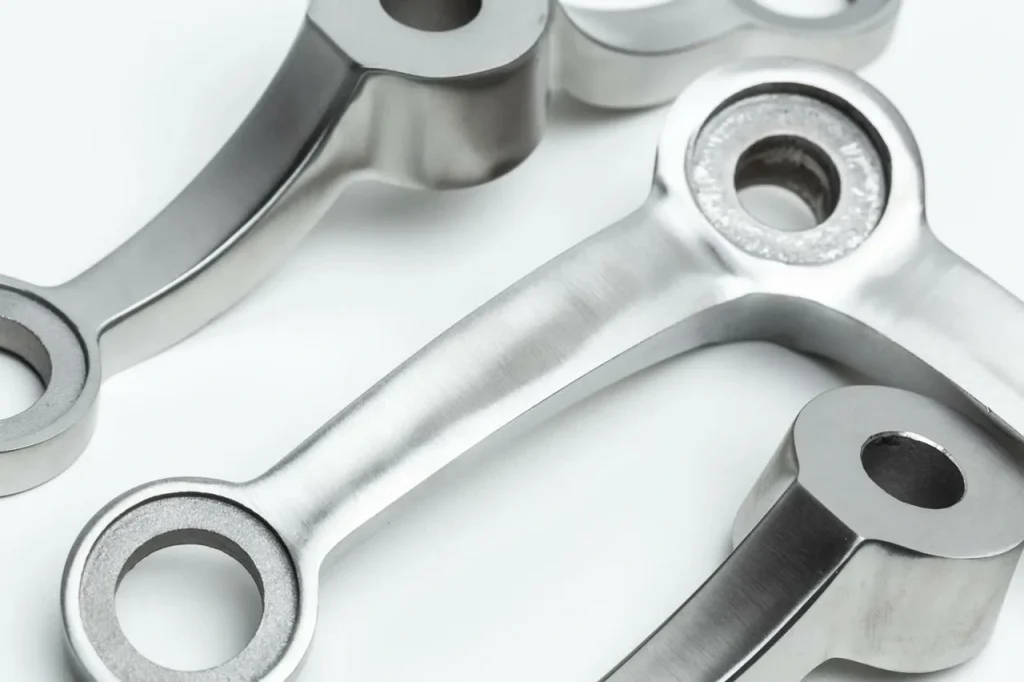
Sacrificial protection and why galvanized steel rusts after coating damage
Zinc is more reactive than steel, so it sacrifices itself first. This is the basis of sacrificial protection. If a galvanized surface gets scratched, nearby zinc can still help protect the steel, at least for minor damage. This is why galvanized coatings can outperform paint when small scratches occur.
This also explains why galvanized steel rusts after coating damage. If damage is deep, repeated, or wide enough that local zinc is exhausted, the steel beneath becomes exposed and red rust can begin. The same applies after long service when the total zinc layer has been consumed by weathering.
For fabricated and machined parts, process order matters. If possible, cutting, drilling, and shaping before galvanizing reduces exposed bare steel. Post-galvanizing machining, trimming, or aggressive abrasion can remove the protective layer exactly where corrosion starts first.
Hot-dip vs electro-galvanized: which coating lasts longer?
Hot-dip galvanized steel generally lasts longer than electro-galvanized steel because the zinc layer is thicker. The research consistently supports this direction even when exact thickness values are not provided. For outdoor and moist service, this is one of the most useful buyer rules.
Electro-galvanized parts can still be feasible for lighter-duty applications, indoor service, or where appearance and tighter dimensional control matter more than maximum outdoor life. But for hardware, roofing, supports, frames, and exposed fabricated components, hot-dip galvanizing is usually the stronger option when corrosion resistance is the main goal.
This difference affects both design and cost. A thicker hot-dip coating may increase upfront cost, but it often lowers maintenance burden and delays replacement. Electro-galvanized parts may cost less initially, but in wet service they can corrode faster, so total lifecycle cost may be less favorable.
Process diagram: intact coating, scratched coating, and zinc self-protection
The corrosion sequence can be summarized as follows:
| Stav | What happens at surface | Effect on steel |
|---|---|---|
| Intact galvanized coating | Zinc forms barrier and protective patina | Steel remains isolated from moisture and oxygen |
| Minor scratched coating | Nearby zinc continues sacrificial action; some self-protection occurs | Steel may remain protected if damage is limited |
| Deep scratch or worn-through area | Local zinc is absent or depleted | Red rust can begin on exposed steel |
This is why minor construction scratches do not behave the same way on galvanized steel and painted steel. Paint only blocks exposure while intact. Zinc can still protect around a small damaged zone.
References needed: standards bodies, corrosion science sources, industry reports
For a full engineering specification, this topic should be checked against recognized standards bodies and corrosion science sources, not only product summaries or general articles. In practice, that means verifying the galvanizing standard, expected coating class, service environment, and any repair method allowed after fabrication damage. Industry reports can help with lifecycle comparisons, but final decisions should rely on standards and site-specific corrosion data where available.For authoritative corrosion science and industry best practices, reference materials from NACE International are highly recommended.
Advantages and Limits of Galvanized Steel for Corrosion Resistance
To understand the practical value of galvanized steel for corrosion resistance, we compare it with other common coating and material options, highlighting its strengths and limitations in various scenarios.
Why hot-dip galvanized steel often outlasts painted steel outdoors
Hot-dip galvanized steel often outlasts painted steel outdoors because zinc does more than block the environment. It also sacrifices itself when damage occurs. Paint is only a barrier. Once paint chips, cracks, or loses adhesion, corrosion can spread under the coating and attack the steel beneath.
This makes galvanizing attractive for outdoor components that may see handling damage, installation scratches, impact, or abrasion. In fabricated structures, these small defects are hard to avoid. Galvanized coatings tolerate them better than paint-only systems in many outdoor settings.
That said, painted steel still has a role. It may be chosen for appearance, color coding, or exposure conditions where another coating system is preferred. But when the question is simple outdoor rust resistance with limited maintenance, galvanized steel often has the advantage.
Difference between galvanized steel and stainless steel for corrosion resistance
A key comparison in industrial design is galvanized steel versus stainless steel; the difference between them for corrosion resistance is basic but important. Galvanized steel is carbon steel protected by a zinc coating. Stainless steel gets its corrosion resistance from the alloy itself, not from a surface coating.
This means galvanized steel has a finite protective layer. Once the zinc is consumed or badly damaged, the underlying steel can rust. Stainless steel does not rely on a sacrificial coating in the same way, so it is often better in more severe corrosive service, especially where chlorides or repeated wetting are present. On the other hand, stainless usually comes with higher upfront material cost.
For buyers, the choice often comes down to exposure severity, expected life, and maintenance access. If the part is easy to inspect and replace, galvanized steel may be enough. If failure would be costly or access is poor, stainless may justify the higher initial cost.Data on stainless steel grades, performance, and lifecycle comparisons can be found at the World Stainless Steel Association.
Galvanized steel vs stainless steel for outdoor structures
Many engineers ask what is the difference between galvanized steel and stainless steel when selecting materials. For many outdoor structures inland, galvanized steel is a practical balance of cost and corrosion resistance. It is widely used because it delays rust well and can remain functional for decades depending on coating thickness and environment. This makes it suitable for support frames, brackets, guards, and general fabricated assemblies.
Galvanized steel vs stainless steel for outdoor structures becomes a closer decision when the environment is wet, polluted, or chloride-rich. Stainless steel may offer longer life and less dependence on coating condition. But if the structure is in a moderate outdoor setting and maintenance is possible, hot-dip galvanized steel may be fully feasible.
Fabrication route also matters. Stainless may simplify some post-fabrication concerns because there is no sacrificial coating to cut through. Galvanized parts often work best when the manufacturing sequence minimizes post-coating damage.
Is stainless steel better than galvanized steel for marine applications?
For marine applications, marine grade stainless steel parts are generally the safer corrosion choice than galvanized steel because galvanized coatings deplete faster in chloride environments. This is the practical answer when exposure includes saltwater, salt spray, splash, or constant marine humidity.
This does not mean galvanized steel has no role near the coast. Thicker hot-dip coatings can still provide useful service life in some coastal structures. But if the service is truly marine and long life with low maintenance is required, galvanized steel becomes a limited solution. The buyer should treat it as conditional, not default.Practical field performance data and design guidelines for galvanized steel are available in Galvanize It! Knowledge Base.

Failure Modes: Why Galvanized Steel Rusts in Real Conditions
Galvanized steel can rust in real-world scenarios due to various environmental and operational factors. Below, we explore key failure modes and the conditions that trigger them.
How humidity affects galvanized steel corrosion
How humidity affects galvanized steel corrosion depends on how long moisture stays on the surface. High humidity keeps the coating wet for longer periods, so zinc is consumed faster. This can shorten service life even when there is no direct saltwater contact.
Humidity becomes more damaging when combined with poor drainage, condensation, dirt buildup, or storage practices that trap water between stacked parts. In manufacturing and logistics, this is a common issue. Parts may leave the galvanizer in good condition but develop early white rust during storage or transport if moisture cannot evaporate.
Factors that cause white rust on galvanized steel
White rust is a zinc corrosion product, often described as zinc hydroxide, that forms in wet or poorly ventilated conditions. It appears as a light, chalky deposit. It is not the same as red rust, but it can damage the coating if allowed to continue.
The main factors that cause white rust on galvanized steel are trapped moisture, wet storage, lack of airflow, and close-packed parts that stay damp. This is more of a handling and storage failure than a proof that galvanizing does not work. In fact, many white rust cases begin before the part ever enters service.
For buyers of fabricated components, this means receiving inspection should include packaging condition, evidence of condensation, and whether parts were stored in a way that lets surfaces dry.
Risk of rust where galvanized steel is cut or drilled
The risk of rust where galvanized steel is cut or drilled is real because those operations can expose bare steel. Local zinc near the edge may still provide some sacrificial protection, but that protection is limited if the exposed area is large or if the environment is aggressive.
This is a key design-for-manufacture issue. If a part requires many holes, trimmed edges, slots, or field modifications, the process plan matters. Fabricating first and galvanizing after is usually better than cutting coated stock and leaving many raw edges. For buyers, this is one of the checks that should happen before ordering, especially for custom brackets, channels, and sheet metal parts.
Why galvanized steel rusts in wet muddy conditions
Galvanized steel rusts in wet muddy conditions because mud can hold water, salts, and contaminants against the surface for long periods. It also blocks drying. This creates a more severe local environment than simple rain exposure.
Parts used close to grade level, in drainage areas, or in contact with wet soil often fail earlier for this reason. This is why some outdoor components look fine above ground but corrode faster at bases, lap joints, or debris traps. If a design operates in muddy service, galvanizing alone may not be enough for the required life.
Checklist: early signs of white rust, red rust, and coating breakdown
| Sign | What it usually indicates | Co zkontrolovat dále |
|---|---|---|
| Chalky white deposit | White rust from trapped moisture or wet storage | Ventilation, drainage, storage condition, coating loss severity |
| Local red-brown rust spot | Exposed steel or depleted zinc at a point | Scratches, cut edges, drilled holes, abrasion |
| Dull worn areas at contact zones | Mechanical abrasion removing zinc | Relative movement, fastener interfaces, handling damage |
| Corrosion concentrated near mud lines or joints | Prolonged wetness and contamination retention | Drainage, cleaning access, crevice design |
Environmental Limits Engineers Should Check Before Specifying
When specifying galvanized steel for corrosion protection, engineers must evaluate its performance under various environmental conditions. Below are key environmental limits that demand careful consideration to ensure material suitability.
Limitations of hot dip galvanized steel in chloride environments
The limitations of hot dip galvanized steel in chloride environments should be checked early because chlorides accelerate zinc loss. Even though hot-dip galvanizing lasts longer than thinner coatings, it is not a permanent solution in marine or deicing-salt exposure.
This matters for site selection, service-life planning, and maintenance access. If chloride exposure is regular and severe, hot-dip galvanizing may still be used, but the buyer should expect shorter life and a stronger need for inspection.
Will galvanized steel corrode in acidic conditions?
Yes. Galvanized steel will corrode in acidic conditions, and acids are listed among the harsh conditions that can compromise the coating. Zinc is not intended for every chemical environment.
In practical terms, if parts may contact acidic runoff, process chemicals, fertilizers, or acidic condensate, galvanizing should not be assumed safe without checking compatibility. This is especially important for outdoor industrial components exposed to emissions or washdown chemistry.
Impact of strong alkalis on galvanized coatings
The impact of strong alkalis on galvanized coatings should also be checked before specifying the material. The provided research notes alkalis as a concern area, even though it does not quantify attack rates. For engineering use, the safe conclusion is that galvanized steel should not be treated as chemically neutral to all alkaline conditions.
Where parts may contact aggressive cleaning chemicals, alkaline process residues, or cementitious moisture, field performance may differ sharply from normal atmospheric exposure.
Effect of cement contact on galvanized steel corrosion
The effect of cement contact on galvanized steel corrosion needs review in assemblies where steel touches wet concrete, grout, or cement-based materials. The available notes identify cement contact as a relevant concern, though they do not provide quantified life data.
So the correct engineering approach is caution. If galvanized components will be embedded, cast against, or kept in long-term contact with wet cementitious material, the designer should verify compatibility and not assume atmospheric corrosion data still applies.
Can galvanized steel be used near hot springs?
Hot spring environments can be unusually aggressive because dissolved minerals, heat, and constant moisture can accelerate coating breakdown. In such cases, galvanizing may not provide the same service life expected in ordinary outdoor exposure, and a more corrosion-resistant material may be needed.
Cost, Coating Choice, and Lifecycle Planning
Selecting the right galvanized coating and material involves balancing upfront costs, coating performance, and long-term lifecycle needs. Below, we explore key considerations to guide informed decision-making.
Industry-level cost tradeoff: hot-dip vs electro-galvanized vs stainless
At industry level, hot-dip galvanized steel usually sits between painted carbon steel and stainless steel in both performance and cost logic. The provided sources support that hot-dip galvanizing lasts longer than electro-galvanized and often outlasts painted steel outdoors. Stainless steel generally offers stronger corrosion resistance but with higher upfront material cost.
For buyers, this means the lowest purchase price does not always mean the lowest ownership cost. Electro-galvanized parts may fit light service or appearance-driven uses. Hot-dip galvanizing often makes sense where outdoor exposure is real and replacement is inconvenient. Stainless becomes more attractive as chloride exposure, humidity, and consequence of failure increase.
Lead time and fabrication sequence can also affect the choice. Galvanizing adds a finishing step, and post-coating rework can create corrosion risk. Stainless may avoid some finish-process coordination, but material and fabrication costs may be higher.
How coating thickness and method affect expected service life
Service life depends heavily on coating system and specification, not only on whether a part is called “galvanized.” Buyers should distinguish continuous sheet galvanizing from batch hot-dip galvanizing and specify the applicable standard and coating designation on the drawing or purchase order, such as ASTM A653 coating class for sheet or ASTM A123 / ISO 1461 for after-fabrication hot-dip work. If coating mass or thickness is critical, require it explicitly rather than assuming all galvanized parts have the same zinc coverage.
For engineering decisions, coating method should be tied to environment. Thin coatings may be fine for indoor enclosures or low-moisture components. Outdoor structural hardware, roofing, support members, and fabricated parts in humid service usually justify thicker hot-dip coatings.
This also affects design tolerance and fitness. Thicker coatings can matter on threads, close sliding fits, and precision mating areas. So corrosion life and assembly function should be reviewed together, not separately.
Maintenance, recoating, and repair considerations after abrasion or white rust
If abrasion removes zinc or white rust damages the coating, maintenance planning becomes important. Repair and maintenance should match the actual coating condition. Light white rust may be a storage-related zinc corrosion product, while red rust usually indicates exposed steel or substantial coating loss. For damaged galvanized areas, accepted repair methods typically include zinc-rich paint, thermal spray zinc, or solder-based repair where permitted by the governing specification; if damage is extensive, full rework or re-galvanizing may be more appropriate.
From a buyer view, maintenance access matters as much as material choice. If a component can be inspected, cleaned, and repaired easily, galvanized steel remains attractive. If damage is likely and access is poor, a more corrosion-resistant base material may be the safer option.
Table: upfront material choice vs expected maintenance burden and replacement timing
| Material choice | Upfront cost logic | Expected maintenance burden | Replacement timing logic |
|---|---|---|---|
| Electro-galvanized steel | Lower than thicker hot-dip or stainless in many cases | Higher in moist outdoor service | Sooner if coating is thin and exposure is severe |
| Hot-dip galvanized steel | Mírná | Lower than painted steel in many outdoor settings | Later, because thicker zinc lasts longer |
| Nerezová ocel | Higher upfront | Often lower in harsh corrosive service | Often longer interval where chlorides or constant wetness exist |
References needed: industry reports, standards, lifecycle cost data
Lifecycle planning should be based on standards, recognized corrosion references, and documented site exposure where possible. Industry reports can help compare cost and maintenance patterns, but the final specification should align with coating standards and the actual environment of use.
Where Galvanized Steel Performs Well and Where It Does Not
The suitability of galvanized steel depends on environmental exposure, maintenance access, and coating type. Below, we use practical cases and a matrix to clarify its applicable scenarios and limitations.
Case: outdoor buckets and planters exposed to rain, soil, and fertilizers
A more relevant example is galvanized support brackets, agricultural housings, or outdoor equipment enclosures exposed to rain, soil splash, and fertilizer residue. In those cases, galvanizing may be adequate for atmospheric exposure, but retained contamination, abrasion, and persistent wetness can accelerate coating loss and may justify a different material or added protection. The decision should be based on real exposure and maintenance access, not on the word “outdoor” alone.The exact number will vary, but the case shows why galvanizing is often acceptable for general outdoor exposure when the environment is not marine-grade severe.
For engineering readers, the lesson is not about containers. It is about mixed wet exposure with intermittent chemicals. Galvanized steel can be feasible there, but life still depends on coating thickness and local chemistry.
Case: coastal or high-humidity structures with thicker zinc coatings
A second case involves structures in coastal or high-humidity service where thicker hot-dip coatings were used.These systems can still resist corrosion for decades, but they degrade faster than in mild inland service. This shows that galvanizing is not automatically ruled out near the coast, but the design margin is smaller and maintenance assumptions matter more.
This is where specification discipline matters. A buyer should verify whether the part is hot-dip or electro-galvanized, whether edges will be cut in the field, and whether water or salt can collect on the geometry.
Case: hot-dip vs electroplated hardware and roofing in moist service
The comparison between hot-dip and electroplated hardware or roofing is one of the clearest selection cases. In moist service, hot-dip galvanized parts last significantly longer before rust appears because the zinc coating is thicker. Electroplated parts may still function, but their useful corrosion life is shorter.
This matters for hardware buyers because outward appearance can hide a major durability gap. Two zinc-coated parts may look similar at purchase and perform very differently after years outdoors.
Case: minor construction scratches and the self-healing behavior of zinc
Another useful case involves beams or pipes that receive minor scratches during construction. With hot-dip galvanizing, nearby zinc can react and help protect the damaged area, stopping corrosion from spreading as easily as it would with a paint-only system. This “self-healing” behavior is limited, but it is real for small defects.
This is one reason galvanizing is attractive for fabricated parts that are handled, bolted, or installed in the field. Minor damage is common. A coating system that tolerates that damage has practical value.
Matrix: suitable, conditional, and poor-fit applications by environment
| Životní prostředí | Galvanized steel fit | Poznámky |
|---|---|---|
| Rural outdoor, low pollution | Suitable | Long service life possible, especially with hot-dip |
| Urban outdoor, periodic humidity | Suitable to conditional | Check drainage, coating type, and maintenance access |
| Industrial pollution | Conditional | Faster zinc consumption possible |
| Coastal salt spray | Conditional to poor fit | Hot-dip better than electro-galvanized, but life is reduced |
| Saltwater or marine immersion/splash | Špatné přizpůsobení | Stainless often better for corrosion resistance |
| Wet muddy ground-contact-like service | Špatné přizpůsobení | Trapped moisture and contamination accelerate failure |
How to Choose the Right Corrosion-Resistant Metal
Selecting the right corrosion-resistant metal requires evaluating environmental conditions, material limitations, and practical requirements. Below, we outline key considerations and guidance to inform this critical decision.
Best metal for corrosion resistance in harsh environments
For harsh environments, the best metal for corrosion resistance is often stainless steel rather than galvanized steel, especially where chlorides, saltwater, or constant wetness are present. Galvanized steel is strong for many outdoor and industrial uses, but it remains a coating-based solution. In severe corrosive service, coating depletion is the main limit.
So the decision should be based on exposure severity, expected service life, and maintenance access. Galvanized steel fits many outdoor fabricated parts. It is less convincing in marine or chemically aggressive service.
What causes galvanized coating failure at high temperatures?
The provided research does not give quantified temperature limits, but it does identify temperature fluctuations as a factor that can accelerate deterioration. For engineering use, the safe conclusion is that high temperatures and repeated thermal cycling can affect coating stability and may shorten corrosion life, especially when combined with moisture or contaminants.
If parts operate near heat sources, process exhaust, or hot mineral environments, the coating should not be selected using normal outdoor assumptions.
Buyer checklist: environment, coating type, fabrication damage, and maintenance access
Before release, verify the service environment, coating method, and procurement requirements in writing. The RFQ, drawing, or purchase order should identify the galvanizing standard, coating designation or thickness requirement, whether the part is pre-galvanized sheet or galvanized after fabrication, any masking or no-coat surfaces, thread treatment or fit impacts, permitted repair method for cut edges or coating damage, and receiving inspection criteria. If the part includes welds, hollow sections, tapped holes, or precision mating surfaces—commonrequirments for přesné CNC obrábění for harsh environments— require supplier review of galvanizing feasibility before production.
| Check area | Proč je to důležité |
|---|---|
| Service environment | Humidity, chlorides, industrial pollution, acids, and alkalis change zinc life |
| Typ povlaku | Hot-dip usually lasts longer than electro-galvanized |
| Fabrication sequence | Cutting or drilling after coating raises local rust risk |
| Geometrie | Crevices, mud traps, and poor drainage shorten life |
| Maintenance access | Easy inspection and repair can make galvanized steel more feasible |
| Required service life | Needed life should be compared with expected coating depletion, not only initial appearance |
Decision matrix: galvanized steel vs stainless steel vs painted steel by exposure and service life
| Exposure / requirement | Pozinkovaná ocel | Nerezová ocel | Painted steel |
|---|---|---|---|
| Mild outdoor exposure | Strong choice | Often more than needed | Acceptable but more damage-sensitive |
| Humid outdoor exposure | Good if hot-dip and well-drained | Better where long life is critical | Weaker if coating damage is likely |
| Industrial pollution | Conditional | Often safer | Conditional |
| Coastal / chloride exposure | Limited, check carefully | Často upřednostňované | Omezené |
| Marine splash or saltwater | Usually poor fit | Better choice | Usually poor fit |
| Low maintenance access needed | Better than painted in many outdoor cases | Often best in harsh service | Weak if failure is hard to reach |
Galvanized steel does rust, but that does not make it a poor material. It means it has a defined protection mechanism and a defined end point. If the zinc coating is thick enough for the environment, and if fabrication and maintenance are handled well, galvanized steel is often a sound choice for outdoor industrial parts and structures. If chlorides, acids, standing moisture, or inaccessible service dominate the application, the risk rises and stainless steel may be the better decision.
Nejčastější dotazy
Galvanized steel does not have one universal rust timeline because coating life depends on zinc thickness and exposure mode. In mild atmospheric service, red rust may be delayed for many years, while chloride-rich, persistently wet, or immersion conditions consume zinc much faster. White rust can appear before red rust and does not automatically mean base steel failure.
Galvanized steel has finite coating life and is less suitable where chlorides, trapped moisture, immersion, abrasion, acids, or strong alkalis accelerate zinc loss. It can also create manufacturability issues on threads, close fits, hollow sections, weldments, and precision surfaces if coating buildup and process sequence are not considered. For custom parts, geometry and post-fabrication repair requirements matter as much as the environment.
Stainless steel is usually better in severe corrosive service because its corrosion resistance comes from the alloy, not from a sacrificial coating. Galvanized steel is often the more practical choice in moderate outdoor conditions where cost matters and maintenance is possible.
First identify whether the corrosion is white rust on zinc or red rust from exposed steel. Light white rust may be a surface storage issue, while red rust usually means local coating failure or steel exposure. Repair should follow the applicable galvanizing repair specification and typically uses zinc-rich paint, thermal spray zinc, or solder-based repair where permitted.
Yes, galvanized steel absolutely rusts faster in saltwater and salt spray. The chlorides in salt attack the zinc coating really aggressively, eating through it way quicker than regular air or freshwater.
In full saltwater immersion or heavy marine splash zones, the zinc doesn’t stand a chance for very long. Even thick hot-dip galvanized coatings will wear out fast here. If you need something to last in marine or heavy salt environments without constant repairs, stainless steel is almost always the better, more reliable choice.

 Czech
Czech  English
  German
  French
  Italian
  Spanish
  Polish
  Japanese